

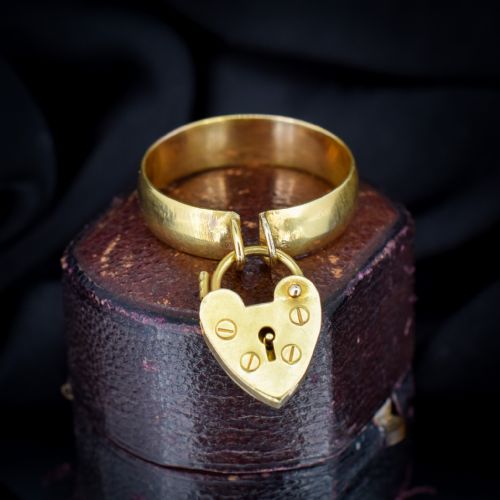


Edwardian 9ct Gold Ring
When you search for an edwardian 9ct gold ring, you are looking at small pieces of finger jewellery from the early twentieth century fashioned in low-carat gold.
Edwardian 9ct Gold Ring
An edwardian 9ct gold ring encompasses simple wedding bands, engraved signet designs, and gemstone cluster pieces created during the Edwardian era and surrounding periods. The versions you are most likely to meet on this page include rose or yellow gold bands alongside multi-stone settings featuring garnet, amethyst, opal, and diamond.
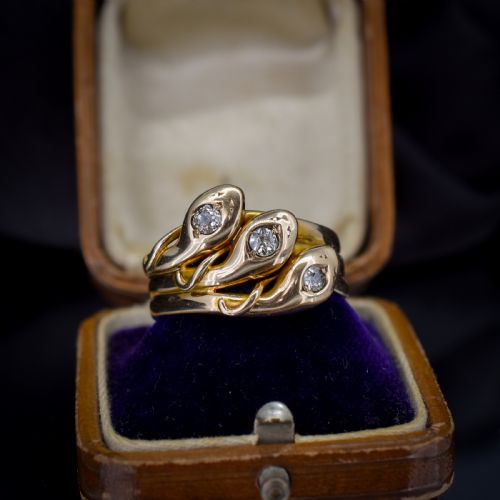
Makers of the period utilised nine-carat gold extensively as an affordable yet durable alternative to higher purities, often pairing the metal with local hallmarks or assay office stamps. Alongside straightforward band rings, the selection regularly includes decorative cluster rings, gypsy settings, and serpentine motifs that reflect the stylistic preferences of the early 1900s.
The objects span transitional designs reaching from late Victorian aesthetics through to early Art Deco geometric forms. While the core of the selection remains firmly Edwardian, buyers will also encounter pieces from the adjacent decades featuring similar low-carat gold fabrication.
Materials and construction
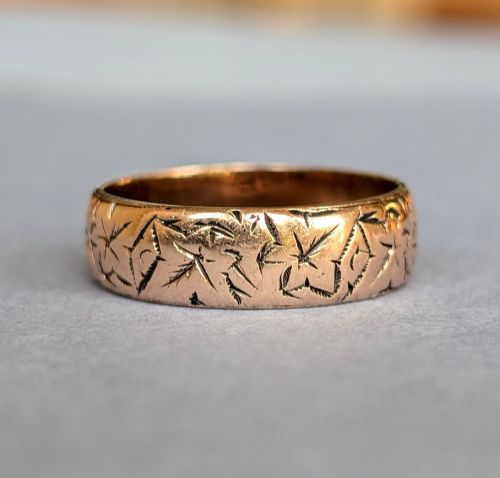
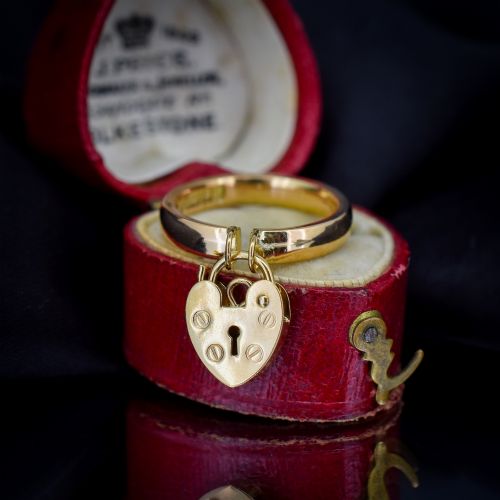
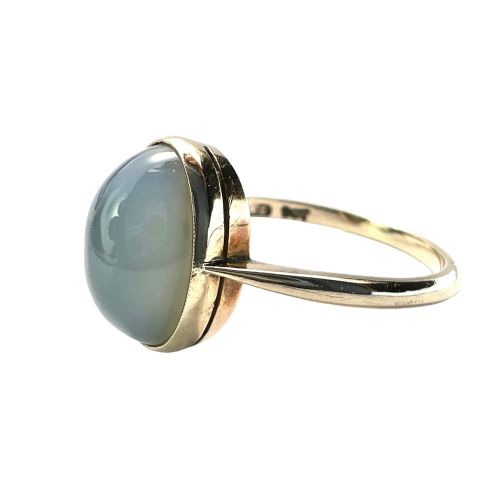
The primary metal across these pieces is nine-carat gold, appearing in yellow, rose, and occasionally white variations alongside platinum accents in later designs. Goldsmiths shaped the metal into drawn wire for bands, cast settings for stones, and hollow or solid stamped components like heart padlocks and signet faces.
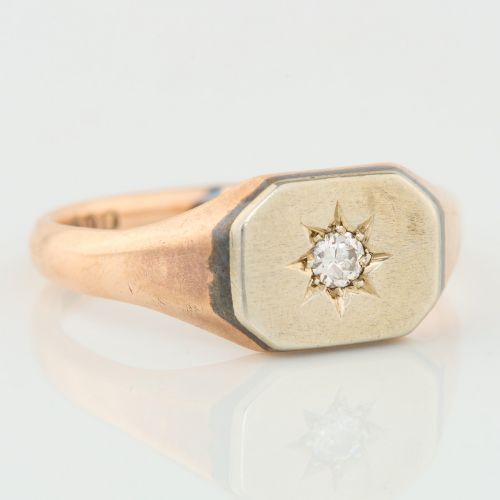
Gemstone selection relies heavily on both precious stones such as diamonds, sapphires, and rubies, and semi-precious varieties including garnets, amethysts, opals, and turquoise. Stones are secured using claw settings, bezel mounts, or flush gypsy settings where the table sits level with the surrounding gold surface.
Listings feature nine-carat gold in yellow, rose, and white tones, paired with diamonds, amethysts, opals, garnets, and sapphires across Edwardian and Victorian forms.
Separating the ordinary from the exceptional
Quality in these rings rests largely on the presence and clarity of hallmarks, the weight of the gold used in the shank, and the integrity of the stone settings. Heavier bands with crisp Chester or Birmingham assay marks indicate superior original manufacture compared to thin, worn examples.
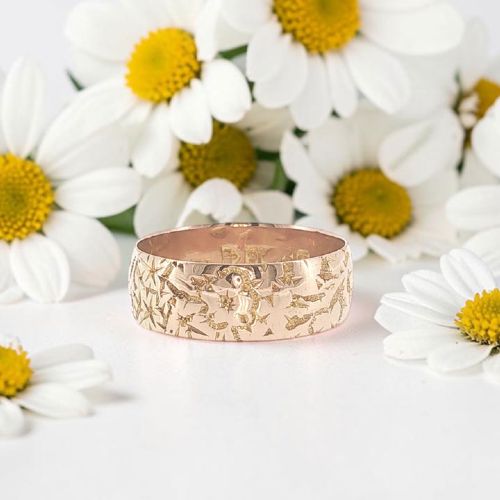
The selection of gemstones also dictates worth, with large, lively opals, clean amethysts, and well-matched diamond clusters elevating a piece above standard paste or minor stone arrangements. Hand-engraved floral details and secure, intricate claw work show a higher level of artisan skill than mass-produced cast variants.
The Edwardian 9ct Gold Ring Glossary
- Hallmark
- An official stamp applied to precious metals indicating purity, maker, and assay office. These marks provide definitive clues to the origin and date of low-carat gold items.
- Gypsy set
- A style of ring where the gemstone is flush-mounted into a thick gold band, sloping gently downward at the edges. This technique protected stones during daily wear in the Victorian and Edwardian periods.
- Rose gold
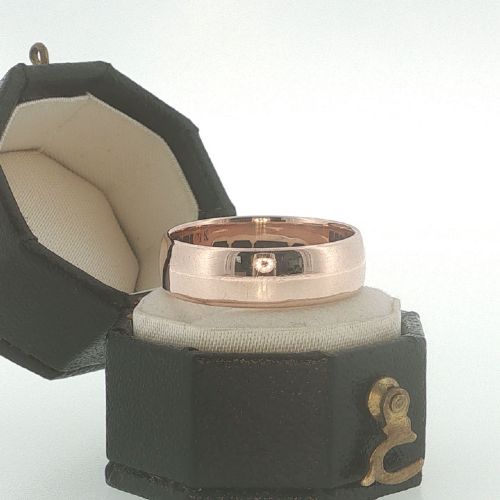
- A gold and copper alloy producing a warm pinkish hue. It is particularly common in Edwardian and late nineteenth-century jewellery.
- Solitaire
- A ring featuring a single gemstone as the primary focal point. Simple claw or bezel mountings are typical for this form.
- Cluster ring
- A setting arrangement featuring a central stone surrounded by a tighter grouping of smaller gems. This configuration maximises visual impact using stones of modest individual size.
Edwardian 9ct Gold Ring: Frequently Asked Questions
How do I know if a ring is genuinely Edwardian?
Authentic pieces often feature legible hallmarks corresponding to early twentieth-century date letters and assay offices in Britain. Stylistic markers such as delicate openwork, millegrain edges, and specific gemstone cuts also point toward the Edwardian era.
Complications arise because many designs were reproduced later in the twentieth century or span adjacent Victorian and Art Deco periods. Checking the assay stamps alongside the construction methods helps clarify the actual period of manufacture.
Is nine-carat gold durable for daily wear?
Nine-carat gold contains a higher proportion of alloy metals like copper and silver compared to eighteen-carat gold, making it harder and more resilient against everyday knocks. This durability explains why so many antique bands and stone-set rings survive in wearable condition today.
Thinner shanks can wear down over decades of continuous use, so inspecting the band thickness remains sensible. Most well-maintained examples handle daily wear comfortably provided they receive standard jewellery care.
What stones were popular in Edwardian rings?
Jewellery from this period frequently incorporates garnets, amethysts, opals, turquoise, and pearls, often paired with diamonds or rubies. These stones were selected for their distinct colours and worked into romantic or symbolic motifs.
Softer gems like opals and pearls require gentle handling during cleaning to preserve their natural surface lustre. Their presence alongside nine-carat gold is a hallmark of the period's broader aesthetic choices.
How should I clean my antique gold ring?
Cleaning low-carat gold requires warm water, mild soap, and a soft brush to remove dirt trapped around stone settings or engravings. Harsh chemical dips should be avoided, particularly when dealing with porous stones like opals or pearls.
Allowing the piece to dry thoroughly on a soft cloth keeps the metal bright without risking the integrity of older claw settings. Regular gentle maintenance preserves both the gold finish and the security of the stones.