
Edwardian 9ct Gold Chain
An edwardian 9ct gold chain offers wearable history, combining period craftsmanship with lower-karat gold durability for daily use.
Edwardian 9ct Gold Chain
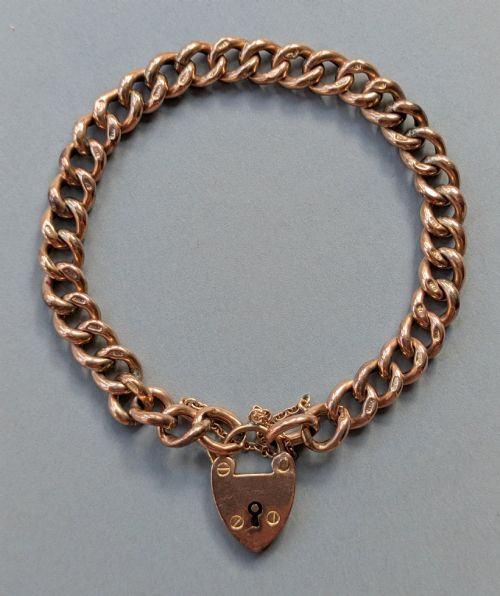
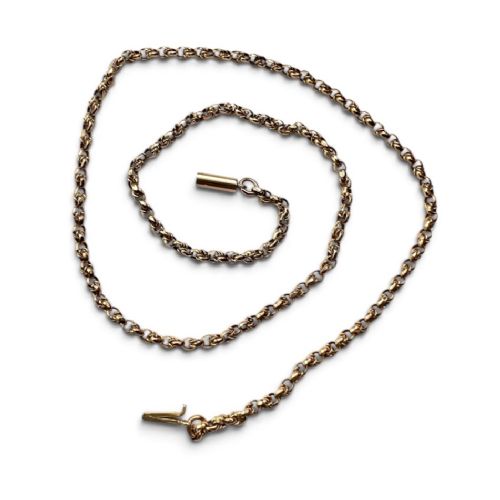
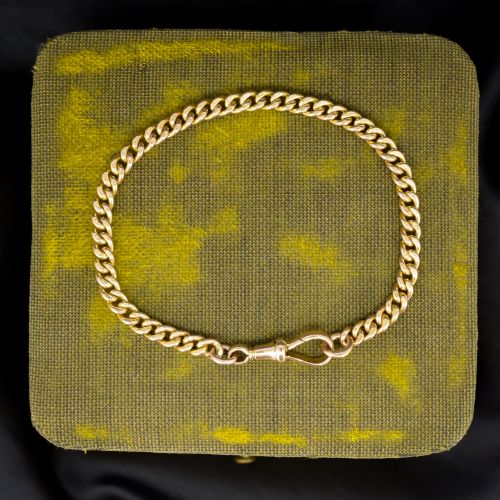
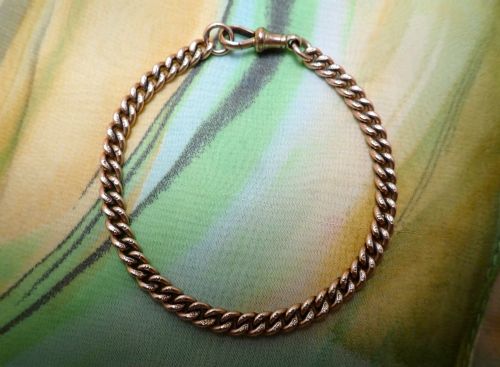
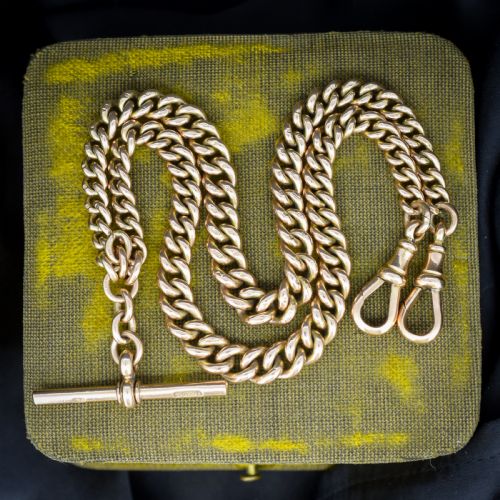
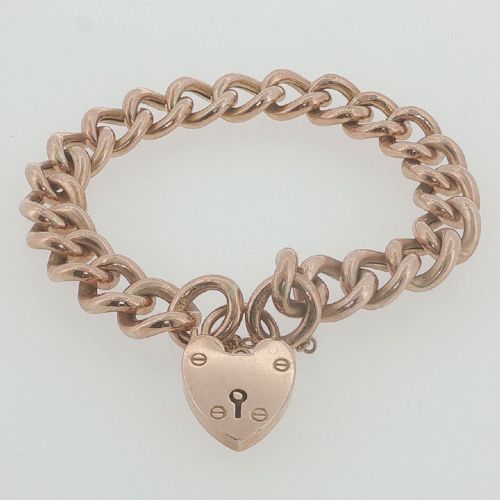
The edwardian 9ct gold chain category encompasses necklaces, bracelets, and functional watch chains originating primarily from the Edwardian era, alongside Victorian and later twentieth-century examples. Pieces frequently arrive as robust curb links, long guard chains, or intricate gate bracelets secured with heart padlocks and dog clips.
Buyers encounter a diverse selection of lengths and weights, ranging from delicate seventeen-inch necklaces to substantial sixty-two-inch guard chains. Many configurations incorporate decorative elements such as t-bars, rollerballs, or trombone links.
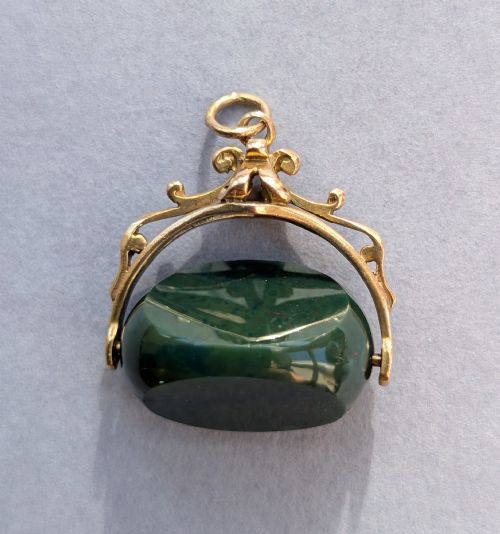
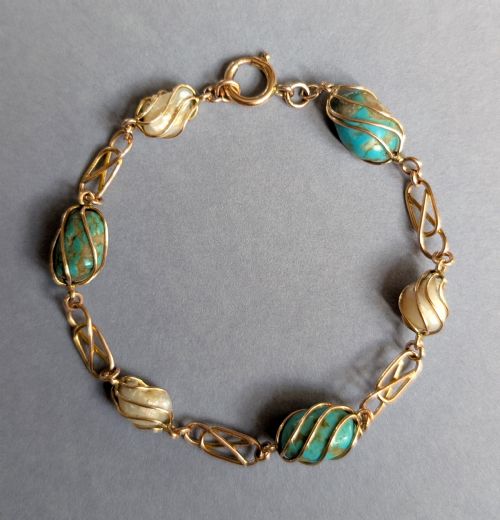
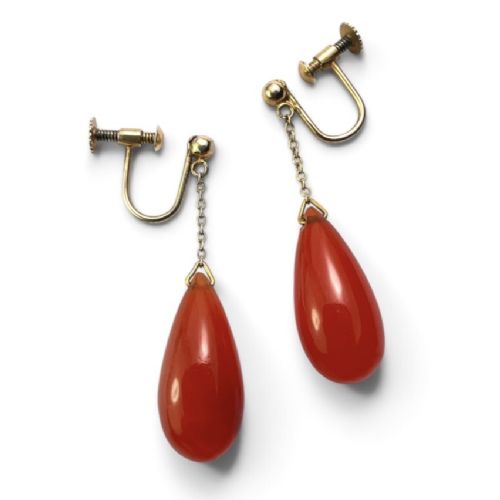
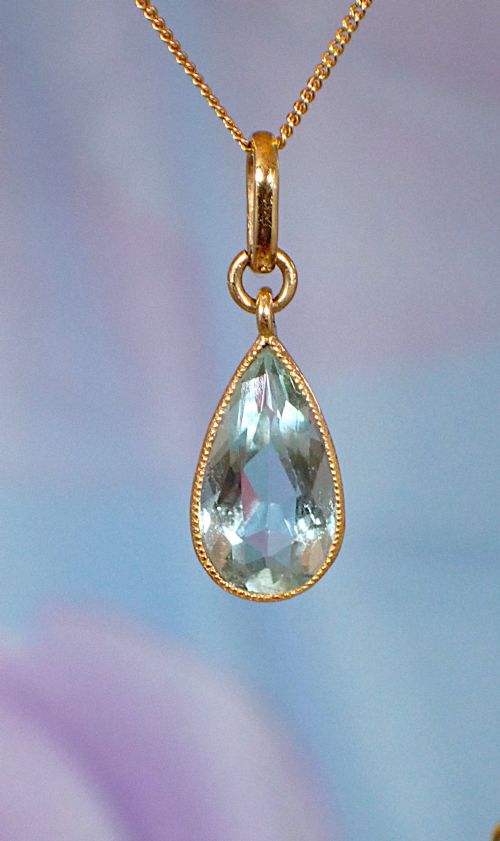
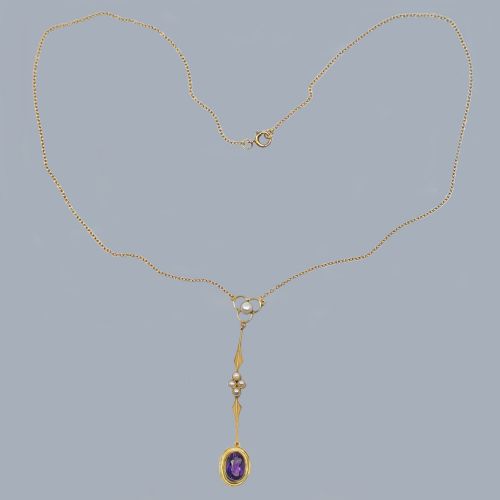
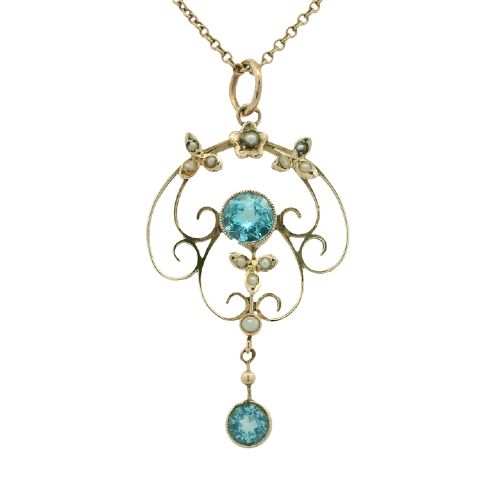
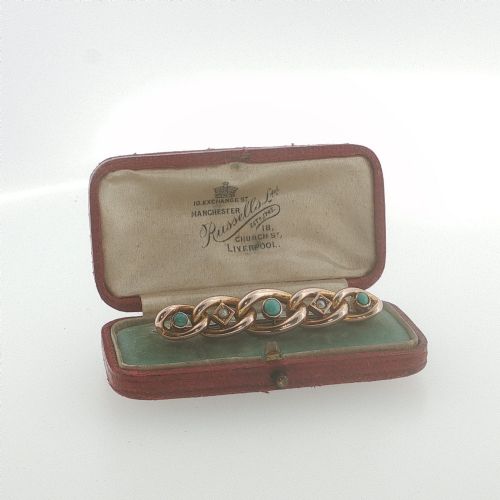
Gemstone accents frequently accompany the metalwork, including amethyst, turquoise, seed pearls, and garnets set into pendants or drop earrings. These items reflect the transition from ornate nineteenth-century designs into lighter, refined twentieth-century aesthetics.
How they were made
Goldsmiths utilised nine-carat gold in both yellow and distinctive rose hues, shaped into hollow or solid links depending on the intended weight and function. Components were individually assembled, soldered, and finished with hand-engraving or patterned stampings.
Functional hardware such as dog clips, bolt rings, and swivel t-bars were mechanically engineered to withstand daily wear while securing pocket watches or lockets. Gemstones like almandine garnets, aquamarines, and seed pearls were bezel or collet set into mounts integrated directly into the chain structures.
Recorded forms span from delicate seventeen-inch necklaces to massive sixty-two-inch guard chains and heavy gate bracelets with heart padlocks.
What varies in quality
Substantial differences exist between mass-produced lightweight chains and heavier, hand-finished examples possessing solid link construction and crisp, deep half-engraving. Maker output and regional assay office marks, such as those from Chester, introduce historical distinction.
The integrity of original clasps, dog clips, and matching t-bars heavily influences the desirability of watch chains and guard chains. Furthermore, the presence and secure mounting of unblemished natural stones like saltwater pearls, turquoise, and amethyst elevate the overall standard of a piece.
The Edwardian 9ct Gold Chain Glossary
- Albert chain
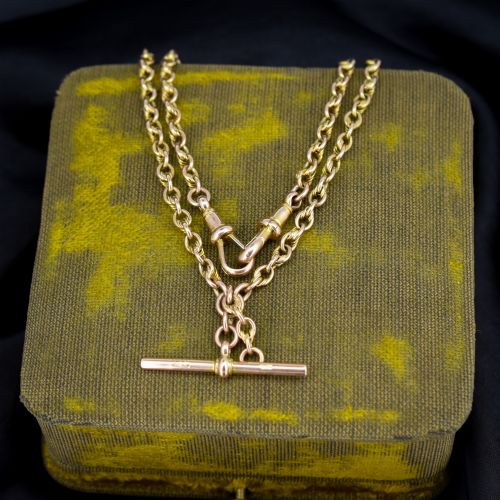
- A pocket watch chain designed to be worn across a waistcoat or draped from a belt loop, featuring a t-bar at one end.
- Guard chain
- An exceptionally long necklace, sometimes exceeding sixty inches, originally used to secure opera glasses or pocket watches.
- Dog clip
- A spring-loaded snap hook utilised on watch chains and bracelets for attaching pendants, fobs, or secure fasteners.
- Trombone link
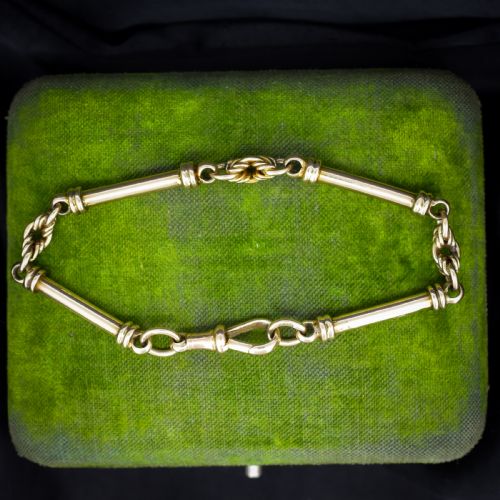
- A watch chain link pattern alternating between elongated rectangular bars and smaller circular connecting rings.
- Seed pearl
- Very small natural saltwater pearls, often drilled and threaded onto silk or wire in clusters within Edwardian jewellery.
Edwardian 9ct Gold Chain: Frequently Asked Questions
How do I wear a long guard chain?
Guard chains of fifty or sixty inches can be doubled or tripled around the neck to create a layered necklace effect. Alternatively, they can be worn single-stranded with a heavy pendant attached to the dog clip.
The substantial length allows for versatile styling options that mimic multiple shorter chains. Securing the ends together also permits a lariat-style drop down the front of an outfit.
What is the difference between a curb and gate bracelet?
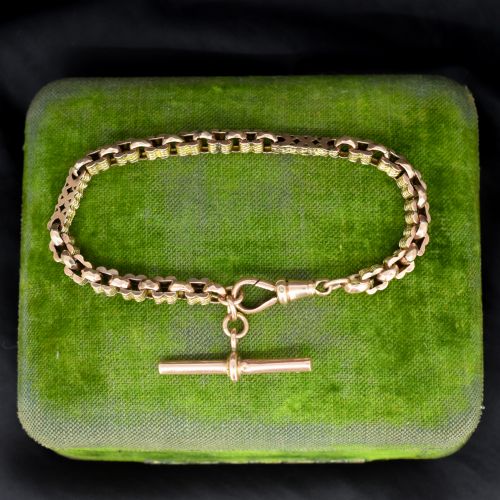
Curb bracelets consist of uniform, interlocked links that lie flat against the skin, often enhanced with half-engraved surface patterns. Gate bracelets feature wider, stacked horizontal bars connected by vertical rows of links, typically fastened with a heart padlock.
Curb links offer a sleek, fluid drape suitable for everyday wear. Gate bracelets present a broader, more architectural profile heavily associated with early twentieth-century British jewellery.
Can I attach a modern pendant to these chains?
Many Edwardian chains feature original dog clips or spring rings that easily accommodate modern pendants or charms. The scale and weight of the chain should match the pendant to ensure structural harmony.
Heavier guard chains and curb links support larger charms securely. Lighter belcher or rope chains pair best with delicate, smaller pendants.
How do I identify a watch chain from a standard necklace?
Watch chains are identified by the presence of a sliding t-bar and a swivel dog clip or bolt ring at opposing ends. Standard necklaces generally terminate in simpler spring rings or barrel clasps without the traditional watch-securing hardware.
Many collectors wear these watch chains as necklaces by tucking the t-bar into the links or letting it hang as a decorative pendant fob. The heavier weight and robust link construction also point towards original watch-carrying utility.