




Edo Period Carving
These pieces of edo period carving bring tactile craftsmanship and historical depth into a room through traditional Japanese artistry.
Edo Period Carving
When searching for edo period carving, collectors encounter items spanning the eighteenth and nineteenth centuries, including utilitarian objects and portable art. The selection on this page ranges from small personal accessories to substantial vessels.
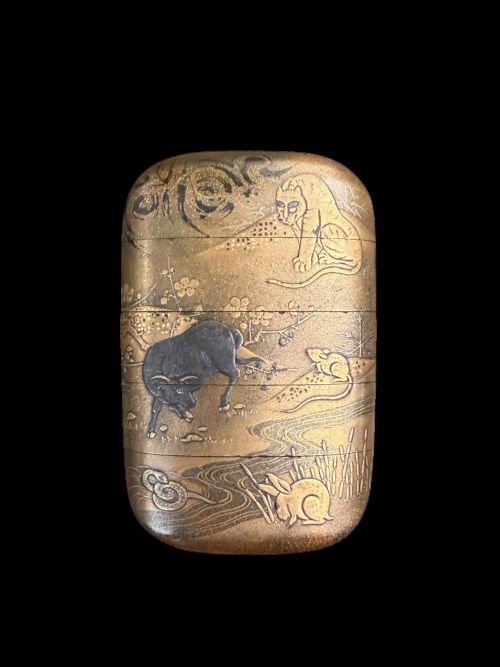
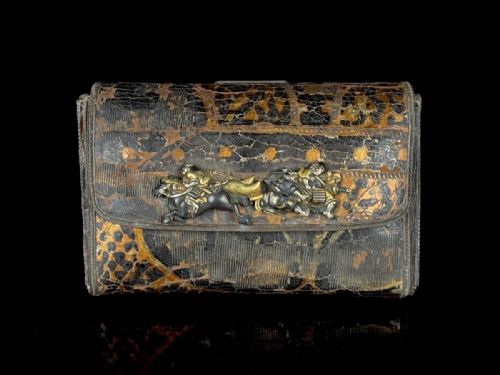
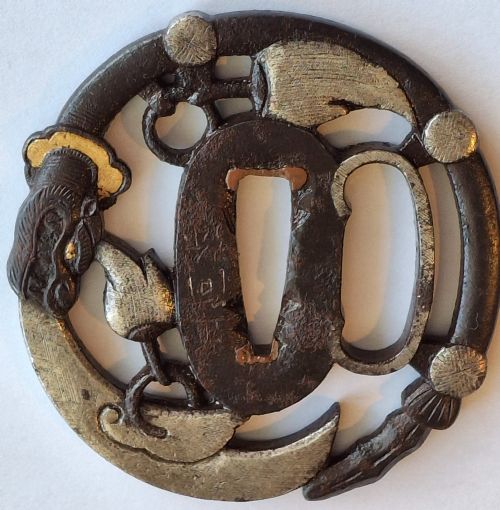
The most common forms found here are netsuke and tsuba guards, alongside decorative bowls, tobacco pouches, and inro cases. These utilitarian items served everyday functions in Japanese daily life before entering the collector market.
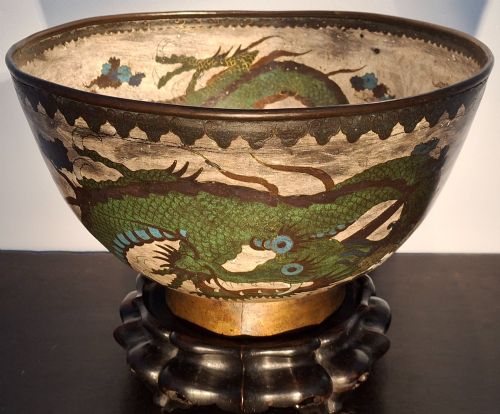
Materials vary from boxwood and cherry amber to bronze, iron, and cloisonne enamel, reflecting the wide scope of historic Japanese artisan workshops.
How they were made
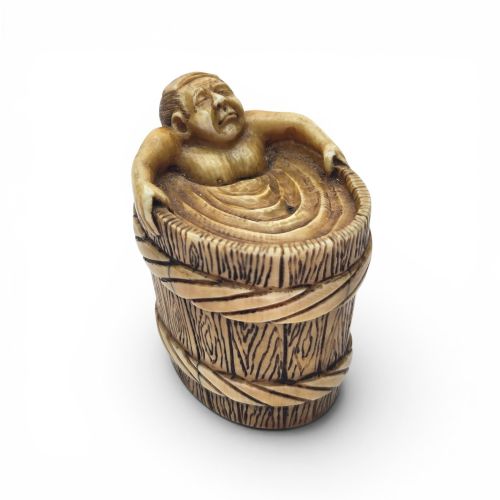
Woodcarvers shaped boxwood, cherry amber, and stag antler using hand chisels to create tactile miniature figures and netsuke toggles. Details were often rendered with high relief or intricate undercuts.
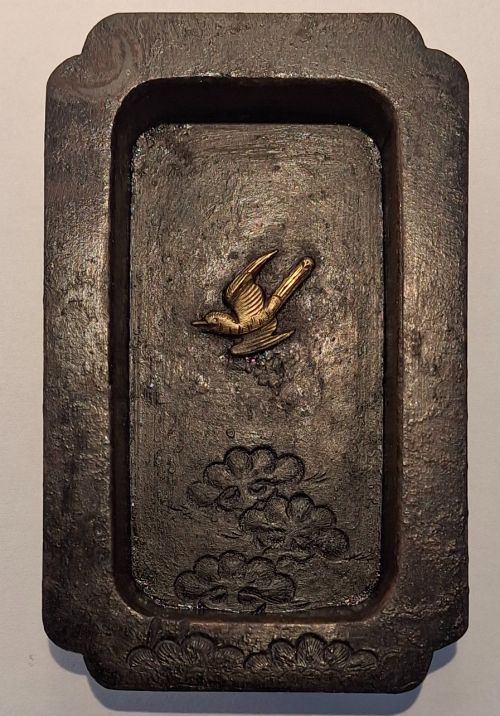
Metalworkers forged iron, bronze, and brass for tsuba guards and vessels, applying silver and gold inlay alongside champleve enamel and cast decoration.
Materials in these listings include boxwood, bronze, iron, silver, brass, lacquer, and cloisonne enamel.
What varies in quality
The distinction between ordinary production and masterwork carving lies in the crispness of the relief and the sensitivity of the form. Finer examples show deliberate tool marks and balanced proportions that reward close handling.
In metalwork and lacquer, quality depends on the precision of the inlay work and the depth of the surface patina. Master carvers achieved an expressive vitality in figures and animal subjects that lesser workshops missed.
Masayuki
The Edo Period Carving Glossary
- Netsuke
- A small carved toggle fastened to the end of a cord on a suspended pouch or small container. These objects secured personal belongings to the sash of a kimono.
- Tsuba
- A rigid guard located at the base of the blade on a Japanese sword. They often display intricate metalwork and high relief carving.
- Cloisonne
- A decorative metalwork technique where enamel paste is applied within compartments formed by soldered wire. The piece is then fired and polished smooth.
- Champleve
- An enamelling technique where troughs or cells are carved into a metal surface to hold coloured enamel. The metal walls remain visible between the filled areas.
Edo Period Carving: Frequently Asked Questions
What is an edo period carving?
An edo period carving is an object shaped by Japanese artisans during the Edo era, spanning functional items like sword guards and netsuke toggles to decorative vessels.
These pieces demonstrate traditional material techniques including wood sculpting, metal casting, and lacquerwork.
What metals are used in tsuba?
Tsuba guards are typically forged from iron, bronze, or brass, often featuring precious metal overlays such as silver and gold. Artisans used these metals to carve high relief motifs.
These guards protected the hand while balancing the weight of a sword.
How do I care for wood carvings?
Wood carvings require stable indoor humidity away from direct sunlight to prevent drying and cracking. Gentle dusting with a dry cloth maintains the historic surface.
Handling the pieces allows natural oils from the skin to nourish the patina over time.