




Edinburgh Sterling Silver
Edinburgh sterling silver brings together centuries of Scottish craftsmanship, offering functional tableware and personal items marked by distinct regional character.
Edinburgh Sterling Silver
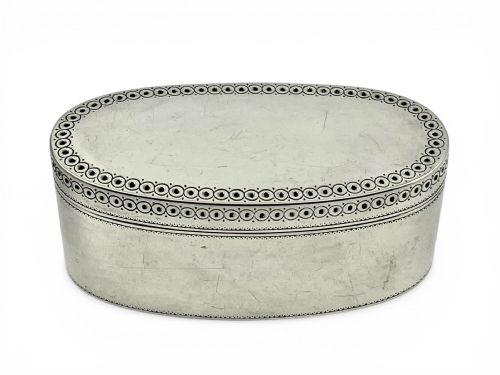
When searching for edinburgh sterling silver, buyers encounter a diverse range of items spanning the Georgian, Victorian, and Edwardian periods alongside later mid-century works. The selection most commonly includes serving pieces, flatware, tea services, and personal accessories like snuff boxes and trinket boxes.
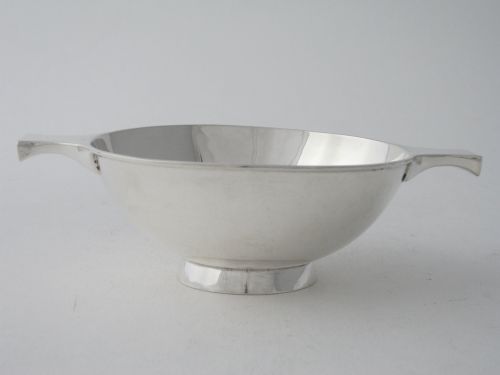
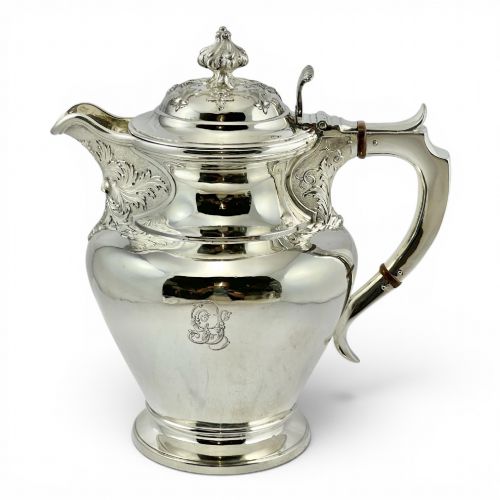
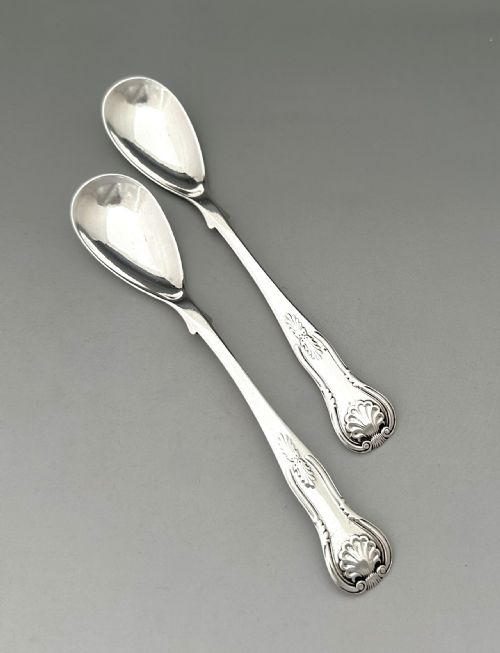
Domestic silver forms such as teapots, jugs, bowls, and sugar basins appear frequently alongside specialised items like quaichs, mustard spoons, and gravy spoons. These objects reflect both formal dining traditions and everyday domestic life in Scotland across multiple centuries.
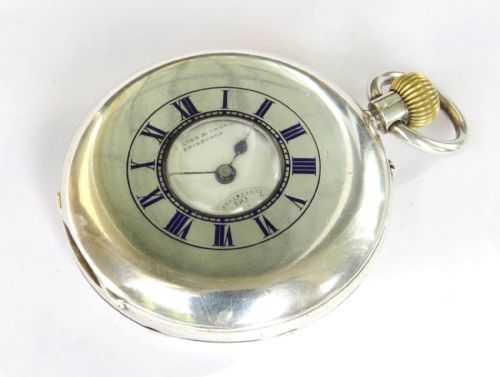
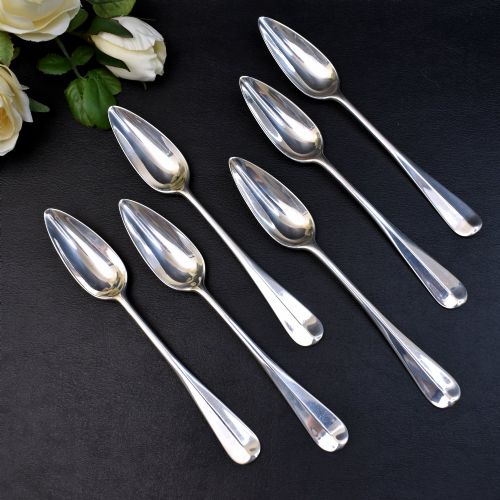
Pieces originating from this assay office display distinct local styles, including Celtic Revival motifs and traditional rat-tail tablespoons. Buyers will also find items incorporating supplementary materials such as glass, wood, enamel, brass, citrine, and agate alongside the primary silver medium.
Materials and Construction
Silversmiths utilised sterling silver alongside organic and mineral elements like horn, glass, agate, and citrine to create composite domestic objects and jewellery. Hammering, casting, and piercing techniques shaped flat sheets and ingots into hollowware, cutlery, and decorative vessels.
Embossed detailing, engraving, and gilding were applied to surfaces to add texture and contrast, particularly visible on interiors of bowls and sugar basins. Structural elements such as handles and spouts were securely soldered or cast as integral parts of teapots, jugs, and coffee pots.
Listings feature items spanning the Georgian, Victorian, and Edwardian eras, constructed primarily from sterling silver alongside glass, wood, and citrine.
Assessing Quality
The distinction between standard domestic items and superior examples rests on the crispness of the maker's punch, the weight of the metal, and the depth of chased or embossed decoration. Heavier gauges of silver resist denting and maintain structural integrity in items subject to frequent handling like spoons and hip flasks.
Refinement in hand-hammered surfaces and the precision of pierced decorative patterns indicate higher levels of artisan skill. Secondary materials, such as well-matched citrines or undamaged glass liners, also contribute to the overall standard of a finished piece.
Hamilton and Inches·John Edmonstone·James Tait·Robert Gordon·John Kincard·Mackay and Chisholm·John Hart of Iona·Alexander Henderson·James and William Marshall·Brook and Son
The Edinburgh Sterling Silver Glossary
- Quaich
- A traditional Scottish two-handled drinking vessel used for lowland toasts and gatherings. Examples can range from plain silver bowls to novelty forms resembling miniature wooden barrels.
- Assay mark
- An official stamp verifying the purity of the metal and identifying the specific city office where the testing took place. These marks provide reliable evidence for dating and attribution.
- Rat-tail
- A traditional strengthening ridge running down the reverse bowl of a spoon from the handle junction. This feature appears commonly on early eighteenth-century flatware.
- Vinaigrette
- A small ornamental box containing a perforated internal grille soaked in aromatic vinegar. These personal accessories were carried in pockets or reticules during the Georgian era.
- Silver-gilt
- Sterling silver that has been coated with a thin layer of gold on its surface. This technique was frequently applied to the interiors of sugar basins, cups, and presentation pieces.
Edinburgh Sterling Silver: Frequently Asked Questions
How do I identify Edinburgh silver marks?
Scottish silver typically carries specific town marks alongside standard purity symbols, helping to verify origin and composition.
Examining these small stamped impressions with a magnifying glass reveals the assay office symbols used across different centuries.
What were antique quaichs used for?
These shallow two-handled drinking vessels served communal whisky toasts at weddings, welcomes, and farewell gatherings.
Over time, they evolved from purely functional drinking vessels into decorative presentation pieces and commemorative items.
How should I clean antique silver?
Gentle washing with warm water and mild soap removes daily dirt without damaging historical surfaces or engraved details.
Specialist silver cloths applied sparingly help maintain the natural lustre without stripping away desirable patination built up over generations.
Can I use silver cutlery daily?
Durable sterling silver flatware handles regular meals well if washed by hand immediately after use.
Avoiding harsh automatic dishwashers prevents pitting and preserves the original balance and polish of spoons and forks.