



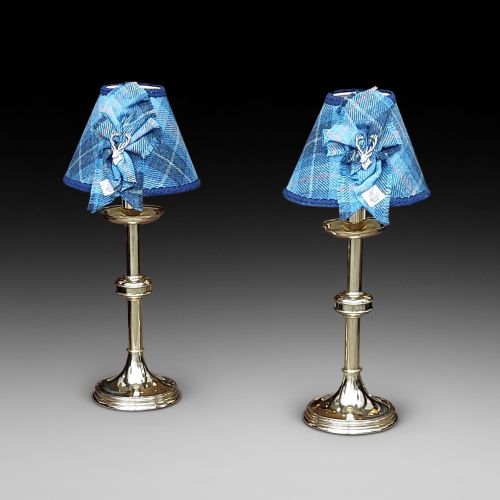


Ecclesiastical Table
An ecclesiastical table brings the quiet gravity of chapel and church furnishings straight into a domestic room.
Ecclesiastical Table
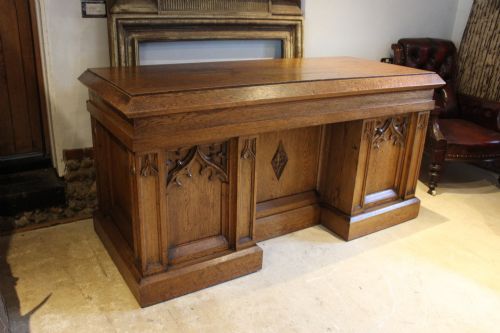
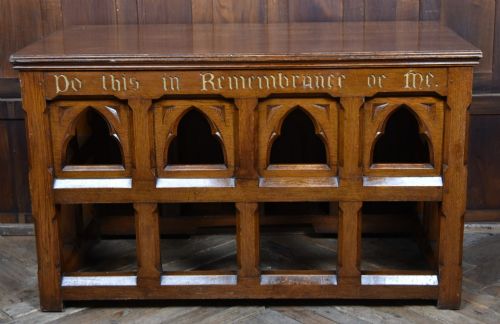
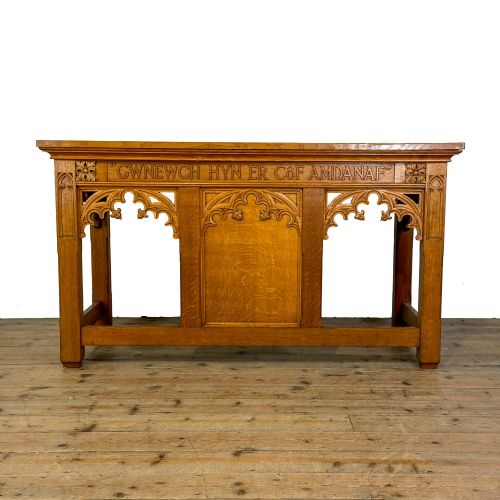
An ecclesiastical table encompasses sturdy oak altars, pitch pine writing desks, and side tables sourced from chapels and churches. These pieces carry the distinct architectural lines of Gothic Revival design, shaped for sacred spaces and later adapted for secular interiors.
The most common examples on this page are solid oak and pitch pine tables dating from the Victorian era up to the early twentieth century. Buyers encounter simple chapel tables alongside elaborate side tables reflecting Gothic and Spanish Baroque influences.
Functionality shifts from ritual use to practical home placement, as these sturdy wooden items serve well as console tables, desks, or serving surfaces. Their robust construction ensures they handle daily domestic life while retaining their distinct ecclesiastical character.
Materials and Construction
Makers relied heavily on solid oak and pitch pine, selecting dense timbers capable of enduring decades of heavy use in vestries and chancels. Joinery is typically straightforward and robust, prioritising structural integrity over delicate ornamentation.
Ecclesiastical Table Retail Price Guide 2026
Typical asking prices for ecclesiastical table among the pieces listed under this phrase on Sellingantiques today, from the lower quarter to the upper quarter. They describe what is for sale here now, not the wider market.
Materials documented across the collection include solid oak, pitch pine, brass, giltwood, silver plate, and opaline glass.
Distinguishing Quality
Quality rests in the choice of timber and the crispness of any carved detailing, distinguishing mass-produced church furnishings from bespoke pieces. Heavier gauge brass and finer gilding separate superior altar accessories from simpler utilitarian items.
Proportion and architectural harmony dictate the appeal of an ecclesiastical table, as pieces designed with balanced Gothic proportions sit more comfortably in a home. Alterations made for domestic conversion, such as lamp wiring or surface adjustments, influence how original the piece remains.
T Thomason and Co
The Ecclesiastical Table Glossary
- Gothic Revival
- An architectural and decorative style popular during the nineteenth century that revived medieval pointed arches and vertical lines. This aesthetic heavily influences the framing and structure of church tables and candlesticks.
- Pitch Pine
- A durable resinous softwood frequently utilised for nineteenth-century church furniture and writing desks. It provides a distinct grain pattern and considerable weight.
- Prie-Dieu
- A devotional desk designed for kneeling during prayer, featuring a sloping top for books and a padded ledge. These form a distinct subset of ecclesiastical furniture.
- Pricket
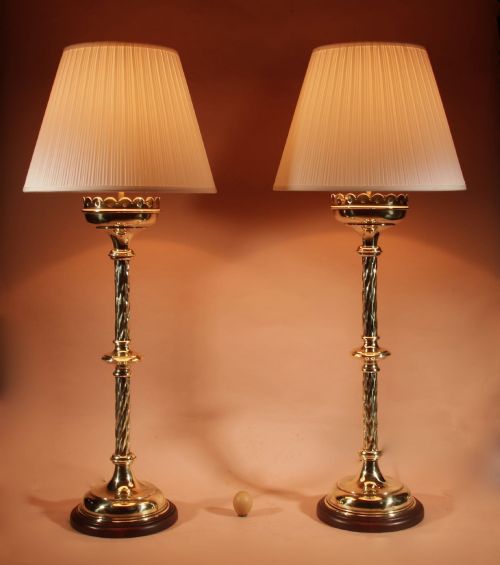
- A sharp metal spike atop a candlestick or altar stick designed to secure a large wax candle. Many survive converted into electrical lamp bases.
- Giltwood
- Timber treated with gold leaf or gold paint to create a lustrous metallic surface. It appears frequently on Continental altar pieces and decorative candle holders.
Ecclesiastical Table: Frequently Asked Questions
How do I style a church table at home?
Place a solid oak altar or side table against a hallway wall to serve as a striking console with strong architectural presence. Keep the surface styling relatively minimal to let the timber grain and historical character remain the primary focus.
Pair the table with compatible ecclesiastical lighting, such as a converted brass candlestick lamp, to tie the room's aesthetic together. The natural patina of pitch pine and oak complements both rustic and contemporary interiors.
Were these tables used in actual churches?
Many of these pieces originate directly from parish churches, chapels, and vestries where they served practical and ritual functions. Verger's desks and altar tables were built specifically for ecclesiastical duties before finding their way into the antiques market.
Their robust construction reflects the heavy demands of daily institutional use over generations. This heritage explains the utilitarian underpinnings visible in even the most decorative examples.
How do I identify a Gothic Revival piece?
Look for characteristic architectural motifs such as pointed arch panels, trefoils, and sturdy linenfold carving on the timber surfaces. These details mimic medieval stone architecture translated into woodwork.
Proportions tend to be tall and vertical, echoing the vertical emphasis of nineteenth-century church design. Heavy brass hardware and structural pegging further point to this revival period.
Can converted altar lamps take modern bulbs?
Most antique brass candlestick lamps have standard domestic fittings installed during their conversion, making them ready for contemporary bulbs. Wiring is typically updated for modern safety standards while preserving the original metal base.
It remains wise to check the wiring configuration of any metal lamp base upon arrival to ensure complete compatibility with current household circuits. The original pricket spikes are usually concealed or adapted safely during the electrical conversion process.