



Ecclesiastical Salvage
Ecclesiastical salvage brings sacred architecture and chapel furnishings directly into domestic interiors through genuine fragments and fittings.
Ecclesiastical Salvage
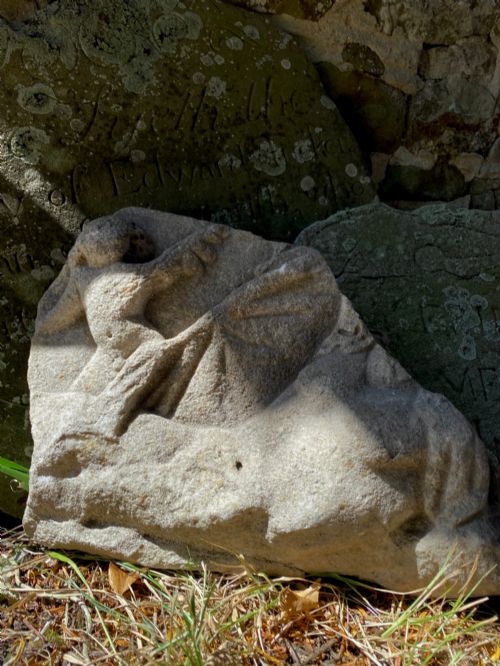
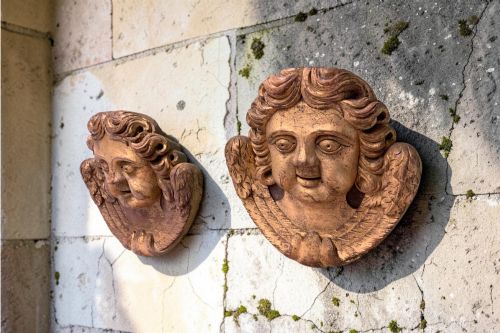
Ecclesiastical salvage comprises architectural fragments, windows, and furnishings rescued from historic churches, chapels, and monastic buildings. Buyers searching for ecclesiastical salvage encounter items ranging from medieval Flemish carved oak fragments and seventeenth-century panels to nineteenth-century Gothic Revival church windows and carved pine angels.
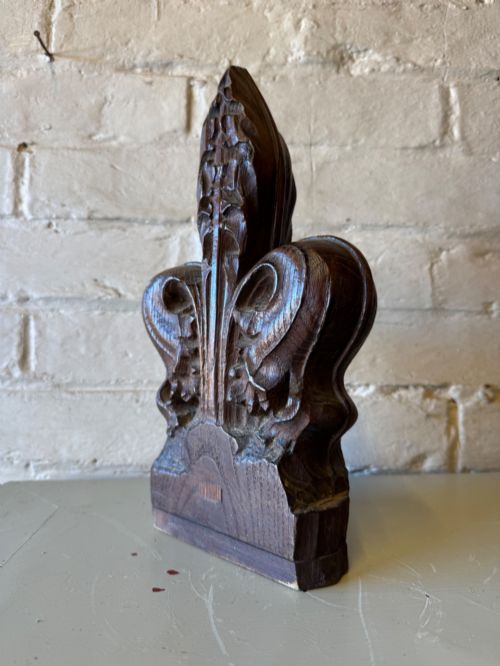
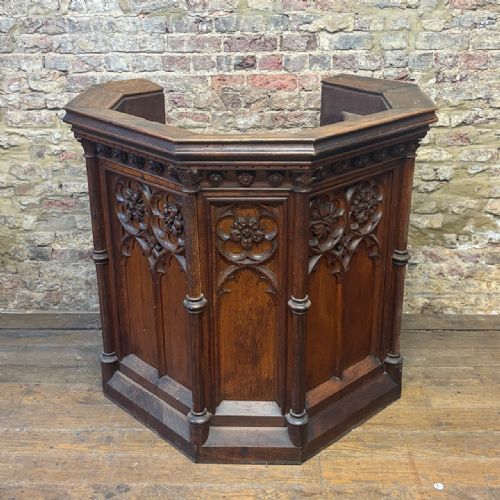
The objects available span architectural salvage, wall sculptures, fireplace accessories, pulpit fragments, and stained glass windows. Most pieces reflect the heavy influence of Gothic Revival, Baroque, and medieval design traditions originating across England, France, Flanders, Germany, and Italy.
Materials and construction
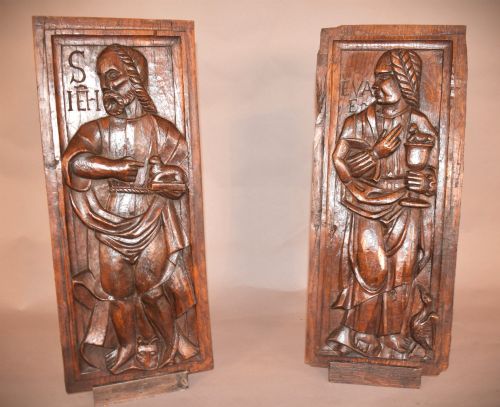
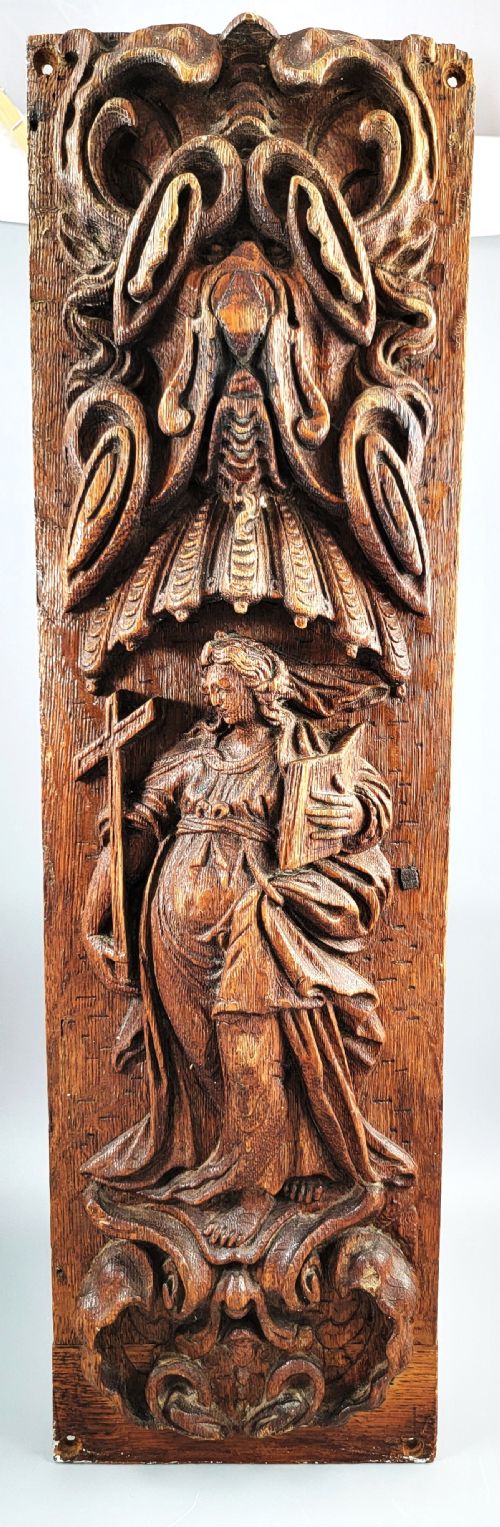
Makers utilised dense timbers such as oak and pine for structural elements, carved panels, tracery, and pew ends. Master carvers shaped these woods by hand, employing deep relief techniques to render figures like angels, cherubs, and allegorical scenes.
Other pieces incorporate lead and glass in stained glass windows, cast iron in fireplace accessories, and applied gold leaf for decorative highlights on carved wooden figures. Joinery methods relied on traditional pegging and mortise and tenon joints appropriate to the period of origin.
Ecclesiastical Salvage Retail Price Guide 2026
Typical asking prices for ecclesiastical salvage among the pieces listed under this phrase on Sellingantiques today, from the lower quarter to the upper quarter. They describe what is for sale here now, not the wider market.
Periods represented span from pre-sixteenth century medieval fragments up through the Victorian Gothic Revival of the late nineteenth century.
Assessing quality
Quality in ecclesiastical salvage rests entirely upon the depth, crispness, and artistic ambition of the hand carving. Finer panels and figures display confident proportions and expressive anatomical detail, whereas lesser items rely on mechanical repetition or superficial surface incisions.
The integrity of the original material also dictates standing, with untouched historic patinas and original gilding or paint retaining far more character than overly restored surfaces. Structural completeness within architectural fragments preserves the original context and architectural intent.
The Ecclesiastical Salvage Glossary
- Tracery
- The stonework or wooden framing elements supporting glass in a window, often taking geometric or flowing forms in Gothic architecture. It provides the signature skeletal framework for ecclesiastical openings.
- Pew end
- The upright wooden panel marking the end of a church bench, frequently decorated with carved poppy heads or architectural mouldings. These often feature barleytwist rails or blind tracery.
- Poppy head
- An ornament used to cap the top of a bench end or pew in a church, typically carved in the shape of a leaf, flower, or stylized bud. It represents a common motif in medieval and Gothic Revival woodwork.
- Fire back
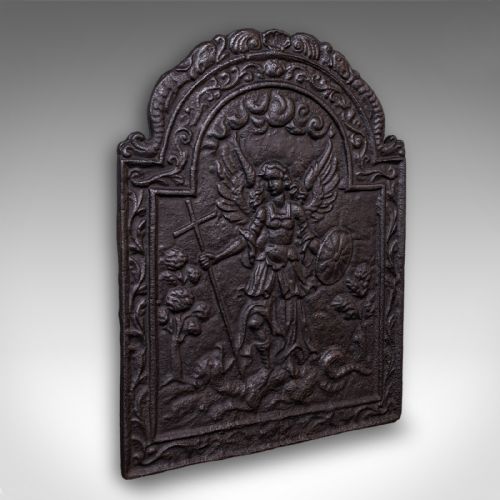
- A heavy iron plate placed at the back of a fireplace to reflect heat and protect the masonry wall behind the hearth. Examples found in church salvage often depict heraldic or religious motifs.
- Architectural fragment
- A surviving portion of a larger ruined or demolished building, preserved for its artistic or historical merit. These pieces isolate specific decorative carvings from their original structural context.
Ecclesiastical Salvage: Frequently Asked Questions
What is ecclesiastical salvage?
Ecclesiastical salvage consists of architectural elements, windows, furniture, and decorative carvings rescued from religious buildings.
These pieces range from medieval oak fragments and Baroque cherubs to Victorian stained glass windows and church pulpits.
How were church windows made?
Historic church windows combined lead cames with hand-blown glass panes, often painted with enamel and fired before assembly.
Iron armatures and stone or wooden tracery supported the large glass panels within the window openings.
Where do these pieces come from?
The items originate from churches, chapels, and abbeys across England, France, Germany, Flanders, and Italy.
They enter the salvage market when buildings are restored, repurposed, or demolished.
How do I date carved panels?
Dating relies on analyzing tool marks, timber species, joinery methods, and stylistic conventions associated with specific periods.
Renaissance, Baroque, and Gothic Revival styles each employ distinct decorative vocabularies that help establish the era of manufacture.