


Ecclesiastical Metalwork
Ecclesiastical metalwork brings centuries of sacred craft into the home, offering objects shaped by centuries of liturgy and devotion.
Ecclesiastical Metalwork
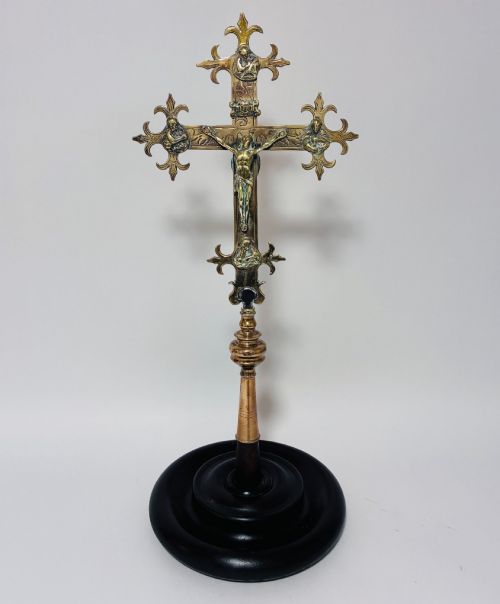
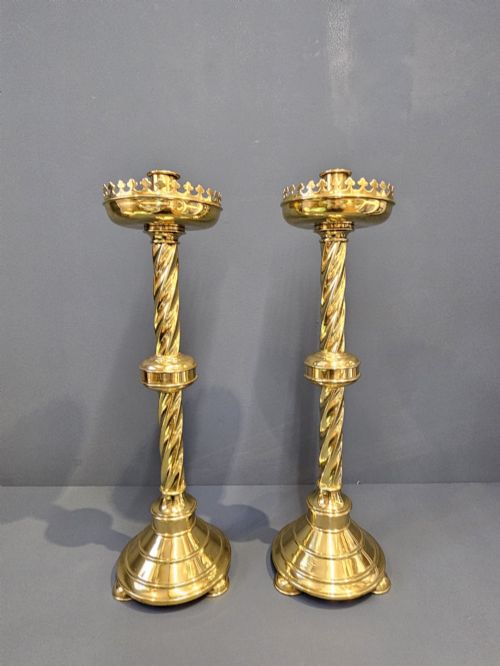
Ecclesiastical metalwork encompasses the sacred vessels, altar furniture, and processional items created for Christian worship across multiple centuries. These objects range from heavy brass church candlesticks and processional crosses to intimate items such as pyx boxes and communion chalices.
The pieces available here lean heavily into the Victorian and Gothic Revival periods, though earlier examples reach back to the sixteenth century. Buyers encounter forms designed for both grand cathedrals and small parish churches, reflecting diverse liturgical traditions.
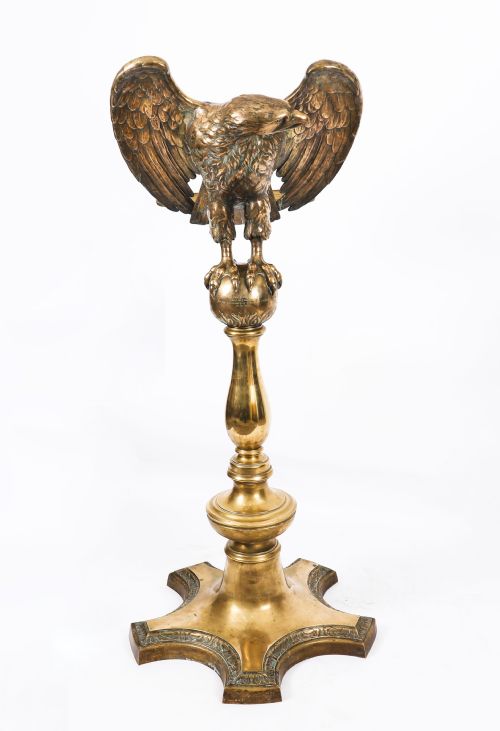
Common forms include towering brass eagle lecterns, altar crosses, silver-plated communion jugs, and delicate gilded copper vessels of Franco-Spanish origin. Each piece serves a specific role within the church, carrying the weight of historical ritual.
Materials and methods
Brass and copper form the foundation of much of this work, frequently enhanced with gold gilding or silver plating to elevate the status of the sacred vessels. The sixteenth-century pieces utilise engraved copper, demonstrating fine hand-tooling on liturgical boxes.
Sterling silver and silver plate appear in communion items, where precious metals align with the solemnity of the sacrament. Wood occasionally integrates into structural elements, while casting and engraving techniques define the surface decoration across all periods.
The site's listings feature items spanning from sixteenth-century Franco-Spanish gilded copper up to mid-twentieth-century altar crosses.
Distinctions in quality
Quality in these sacred objects rests on the crispness of the hand-engraving, the purity of the casting, and the retention of original gilding or plating. Earlier pieces depend on the precision of the goldsmith's hammer and graver, whilst later Victorian works show the ambitions of industrial foundry production.
The integrity of the metal, the balance of proportions in large pieces like candlesticks or lecterns, and the survival of untouched surfaces separate standard parish equipment from works of superior craftsmanship.
FA BARRETT
The Ecclesiastical Metalwork Glossary
- Pyx box
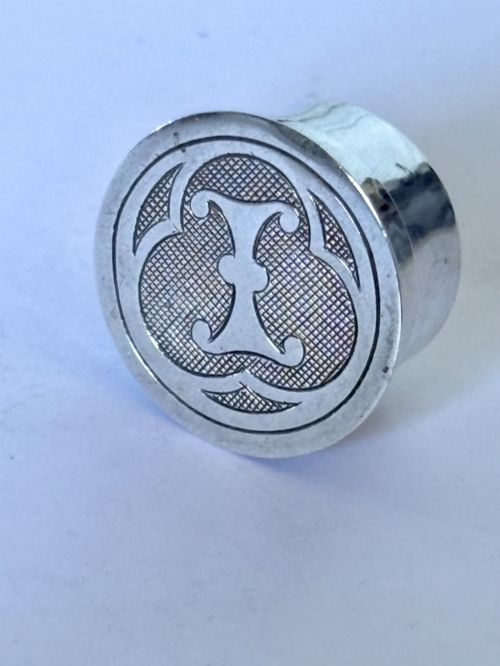
- A small round container used to carry the consecrated host. These portable vessels often feature secure lids and fine metal engraving.
- Ciborium
- A covered container used to hold the hosts for distribution during communion. They share structural similarities with chalices but include a lid.
- Processional cross
- A crucifix mounted on a long shaft, carried at the head of church processions. These objects display intricate casting and Gothic detailing.
- Communion chalice
- The cup used to hold sacramental wine during Christian services. They are frequently fashioned from silver or silver plate.
- Old Sheffield plate
- A composite material made by fusing a thin layer of silver to a copper base. This technique precedes modern electroplating.
Ecclesiastical Metalwork: Frequently Asked Questions
How were church candlesticks used?
Large church candlesticks were placed upon or beside the altar to provide illumination during services and symbolise the light of Christ.
Heavier pairs often stood on the floor or sanctuary steps, engineered with sturdy bases to support large wax candles safely.
How do I care for antique brass?
Antique brass requires minimal intervention, typically needing only gentle dusting with a soft cloth to preserve its historic surface and natural patina.
Avoid harsh chemical metal polishes, which can strip away centuries of accumulated character and diminish the value of the piece.
How do I date Gothic Revival metalwork?
Gothic Revival metalwork, particularly from the Victorian era, draws heavily on medieval architectural motifs such as pointed arches and quatrefoils.
Comparing stylistic details with documented church furnishings from the nineteenth century helps establish the chronology of these items.