








Ecclesiastical Architectural Fragment
An ecclesiastical architectural fragment brings ancient stone and carved wood into a modern room, offering centuries of devotion and craftsmanship.
Ecclesiastical Architectural Fragment
An ecclesiastical architectural fragment represents a piece of a larger church or chapel interior, surviving as a standalone sculpture or panel. When you search for an ecclesiastical architectural fragment, you meet works shaped by centuries of religious architecture.
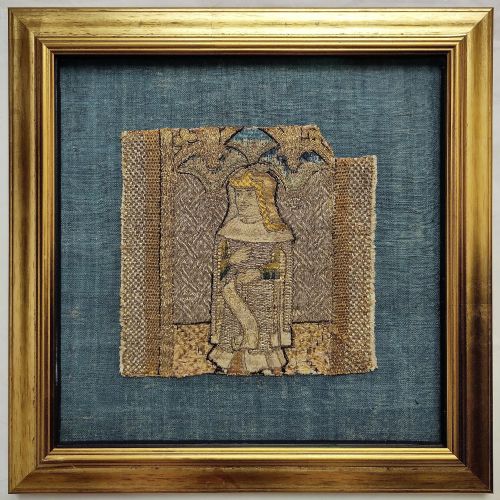
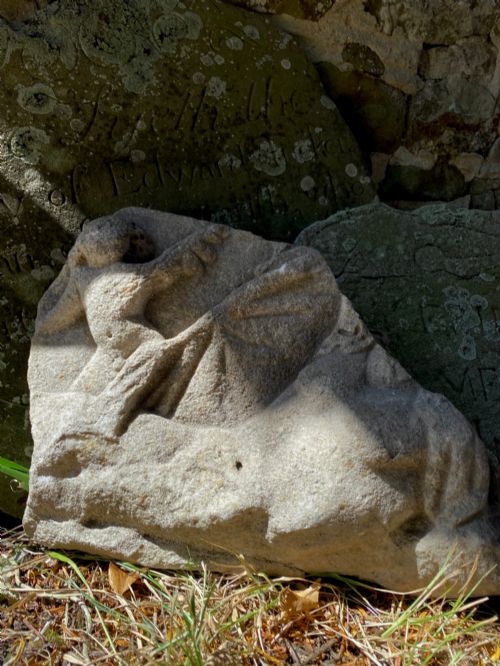
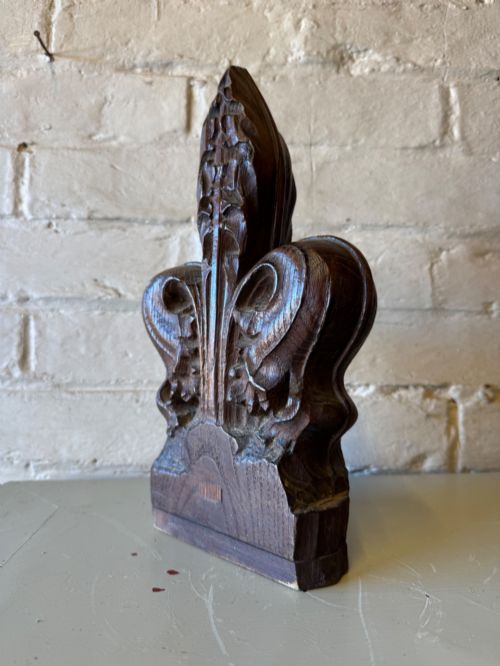
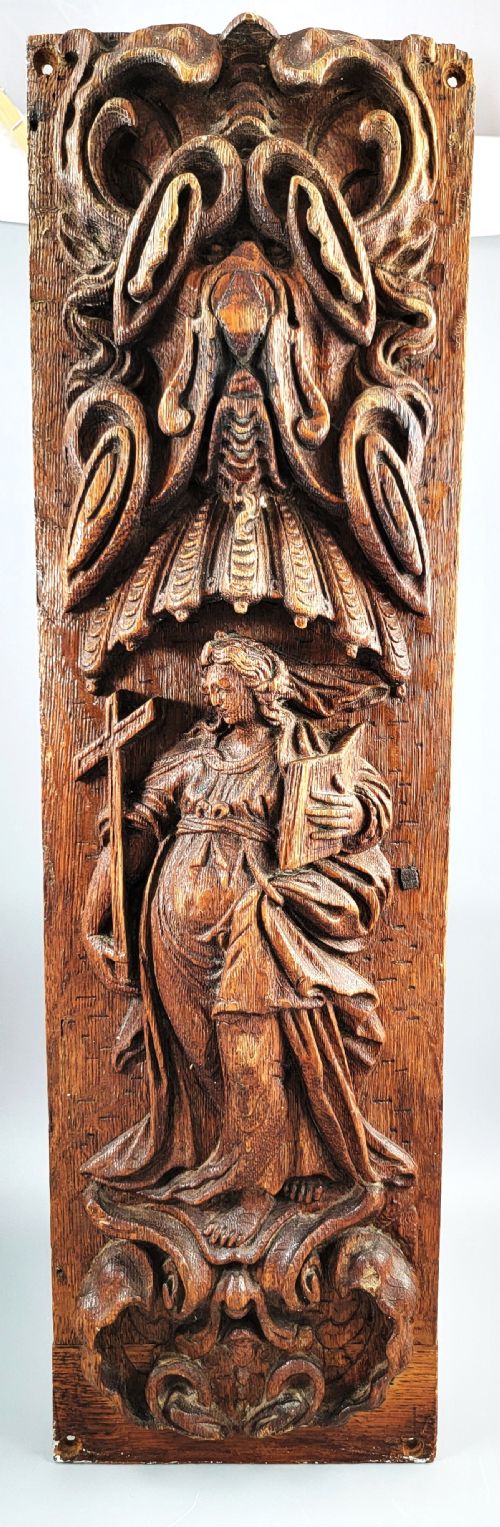
The pieces on this page span several distinct periods, reaching from pre-sixteenth century medieval examples through seventeenth-century Baroque panels up to nineteenth-century Gothic Revival works. Forms include poppy head finials, wall relief carvings, stone busts, and cherub heads.
Origins stretch across regions, with Flemish, German, and Italian pieces appearing alongside domestic English items. Buyers encounter both robust limestone and sandstone carvings and warm, dark oak panels.
Materials and construction
Carvers worked primarily in timber and stone, selecting dense oak for interior panels and durable sandstone or limestone for structural elements. Wood carvers utilised chisels to shape poppy head finials and allegorical figures from solid blocks.
Stone pieces reveal the marks of chisels on limestone and sandstone, sometimes finished with polychrome paint or gold leaf highlights. Artisans combined deep relief carving with delicate detailing to create expressive faces on cherubs and putti.
Ecclesiastical Architectural Fragment Retail Price Guide 2026
Typical asking prices for ecclesiastical architectural fragment among the pieces listed under this phrase on Sellingantiques today, from the lower quarter to the upper quarter. They describe what is for sale here now, not the wider market.
Listings feature items spanning the pre-sixteenth century through to the nineteenth century, utilising oak, limestone, sandstone, and gold leaf.
Distinguishing quality and execution
Proportion and the preservation of the original surface determine the standing of each piece, distinguishing finely rendered pre-industrial sculpture from simpler secondary work. The handling of the material shows whether a carver understood anatomy and classical or Gothic composition.
The Ecclesiastical Architectural Fragment Glossary
- Poppy head finial
- An ornate carved wooden ornament atop the end of a pew, typically shaped like a poppy seed head or foliage. These elements anchored church seating in medieval and later periods.
- Tracery
- Openwork stone or wood framing seen in windows and panels, defining Gothic design. This network held stained glass or decorated empty wall spaces.
- Polychrome
- Painted decoration applied to wood or stone sculpture, using multiple colours to bring figures to life. Surviving traces indicate medieval and Baroque visual schemes.
- Putto
- A plump, winged child figure found in Baroque and Renaissance art, often representing an angel or cherub. These carvings decorated panels and altarpieces.
Ecclesiastical Architectural Fragment: Frequently Asked Questions
What is an architectural fragment?
An architectural fragment is a surviving portion of a larger building, removed during alterations, demolition, or restoration over the centuries.
In ecclesiastical settings, these pieces typically include carved stone reliefs, wooden finials, or decorative panels from church interiors.
How were these fragments used?
Original pieces served functional and devotional roles within churches, chapels, and monastic buildings across Europe.
They decorated pews, altarpieces, walls, and structural stonework to inspire worshippers and mark sacred spaces.
How do I date a stone carving?
Dating relies on tool marks, the style of the carving, and the specific iconography associated with periods like the medieval era or the Baroque.
Comparative analysis with known church architecture helps narrow down the century of creation.
How should I display a fragment?
Heavy stone fragments require secure wall mounting or stable pedestals to support their weight safely in a domestic interior.
Wooden panels suit wall hanging away from direct heat sources and strong sunlight to protect the aged timber.