

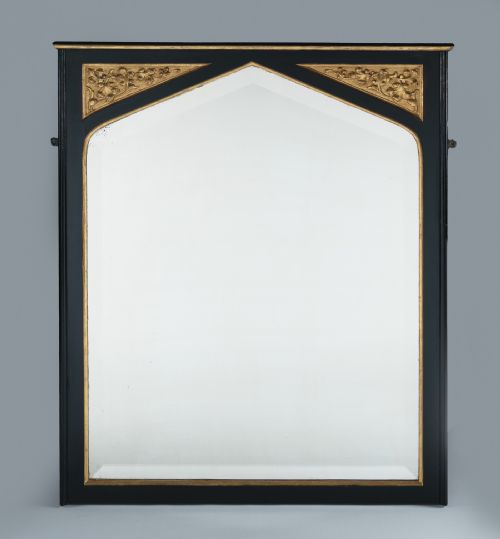
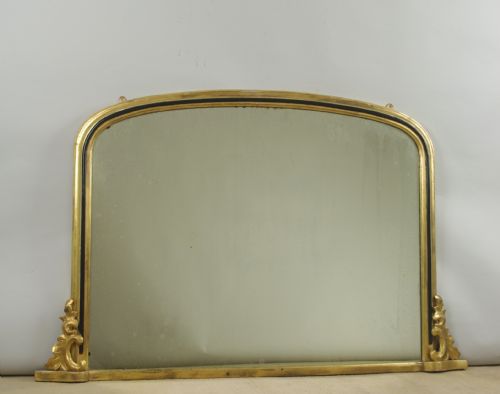
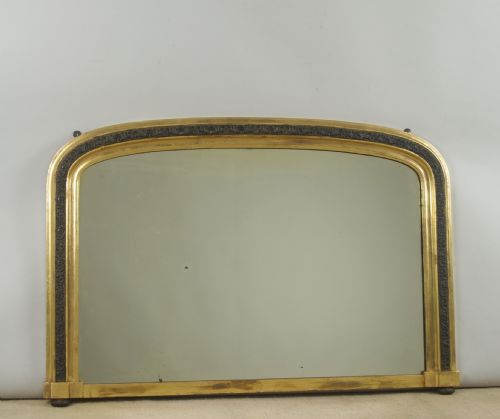

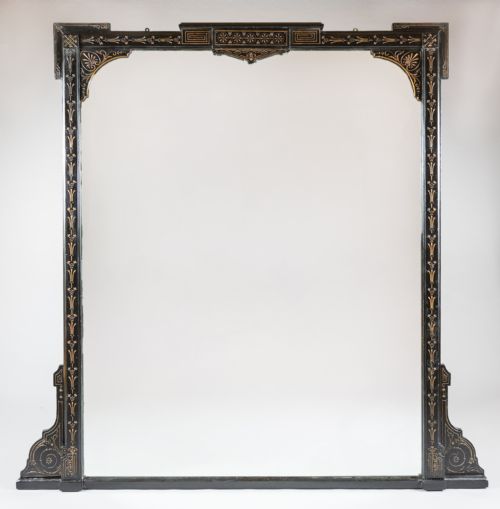
Ebonized Overmantel Mirror
An ebonized overmantel mirror brings striking dark frames and period presence to a fireplace, offering the dramatic contrast that period interiors demand.
Ebonized Overmantel Mirror
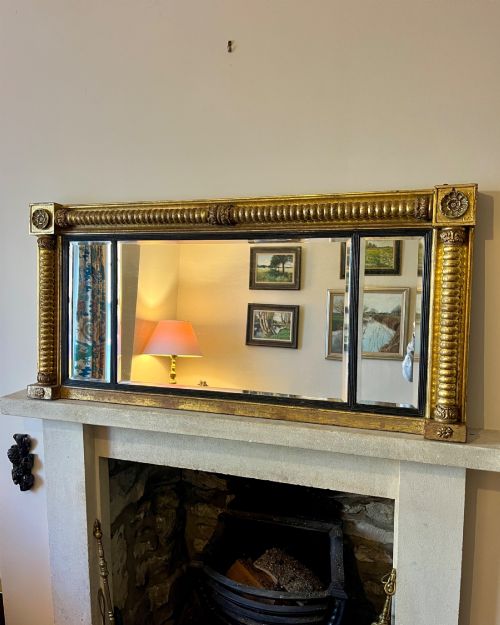
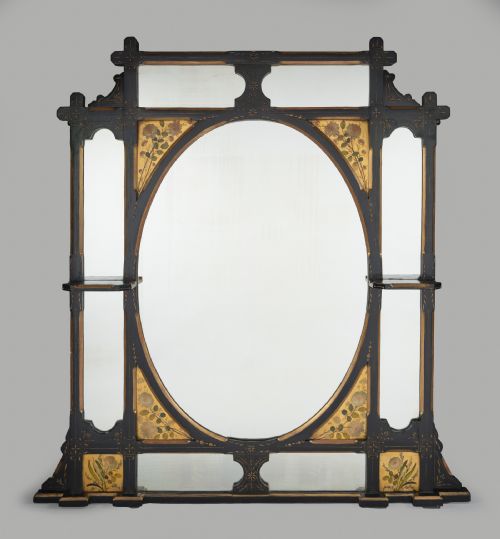
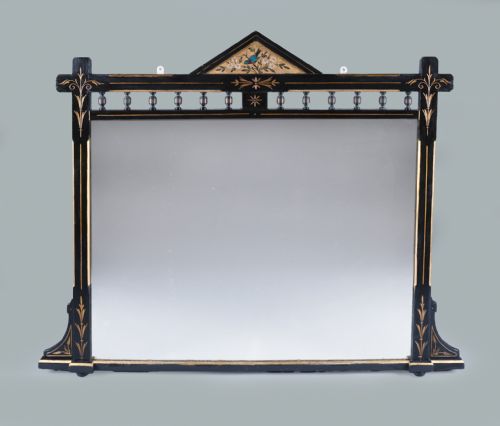
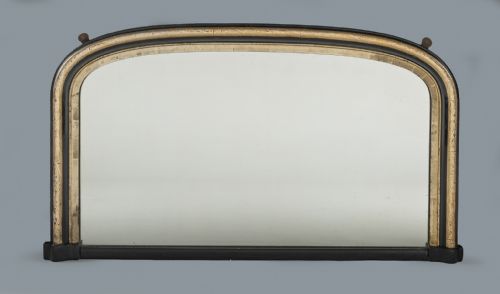
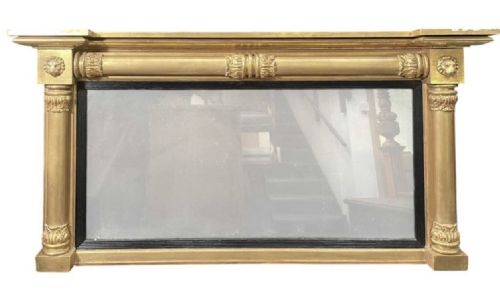
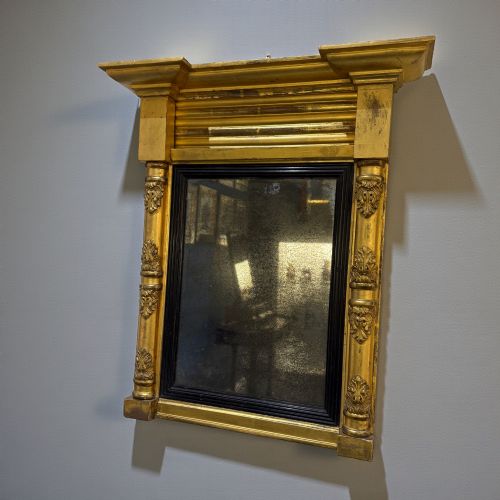
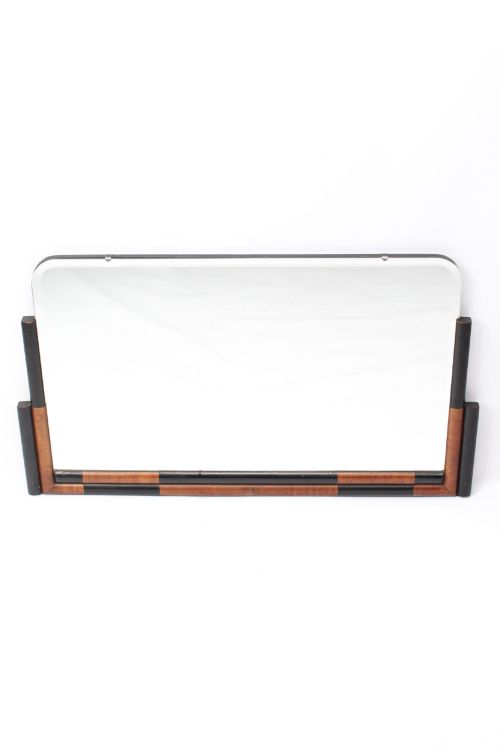
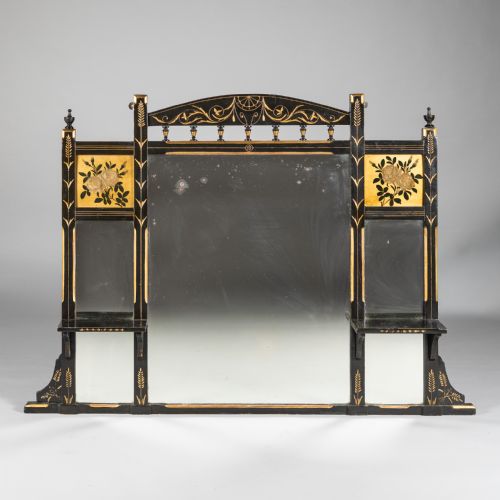
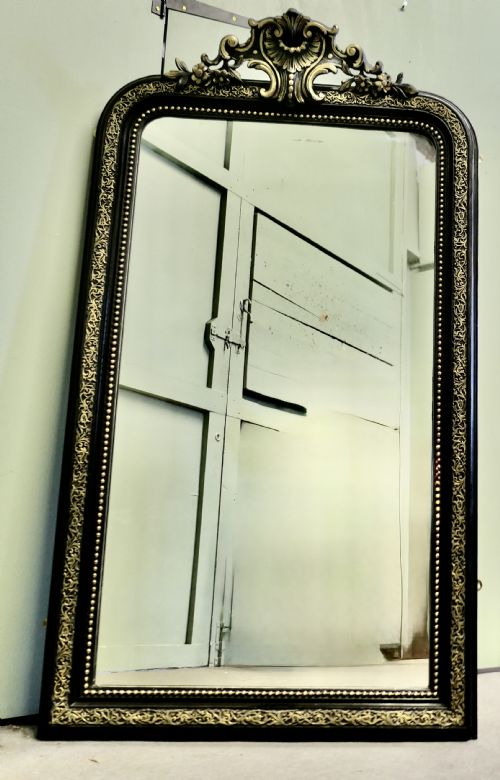
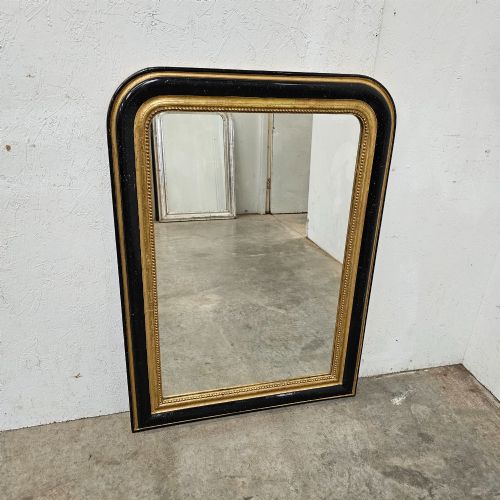
An ebonized overmantel mirror is a substantial rectangular or arch-topped glass plate designed to sit on the chimney breast above a fireplace. The pieces appearing here span the nineteenth century, including Victorian, Regency, and Aesthetic Movement eras, alongside Edwardian examples.
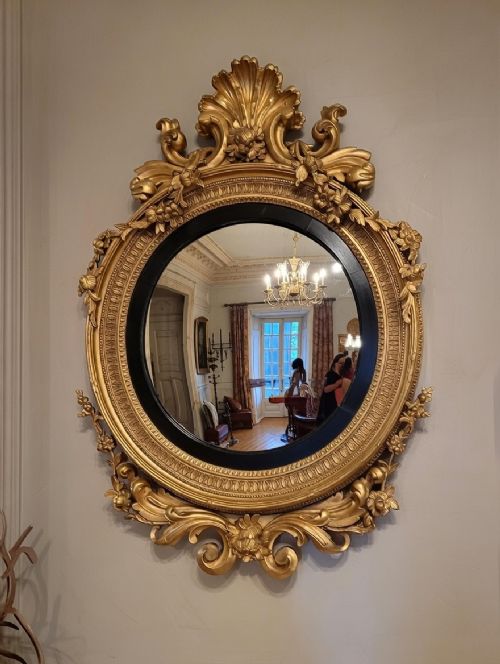
The dominant forms combine dark ebonised wood with gilt highlights, parcel-gilt details, or paint. While many listings show traditional overmantels, related variants such as pier mirrors, wall mirrors, and display cabinets also appear in the record.
How they were made
Frames are constructed from wood such as mahogany or walnut, treated with black ebonisation to imitate more costly ebony timber. Artisans applied gesso layers beneath surface decoration to build up intricate moulded details and carved motifs.
Giltwood, gold leaf, and parcel-gilt accents were applied by hand to catch the light against the dark wood ground. Mirror glass was set within these heavy frames, occasionally divided into multi-section plates or triptych configurations.
Ebonized Overmantel Mirror Retail Price Guide 2026
Typical asking prices for ebonized overmantel mirror among the pieces listed under this phrase on Sellingantiques today, from the lower quarter to the upper quarter. They describe what is for sale here now, not the wider market.
Heart-shaped mirrors occasionally peek out from Edwardian black lacquer frames, proving Victorians and their successors enjoyed a touch of romance.
What varies in quality
Quality rests in the depth of the ebonisation and the crispness of the carved or moulded gesso ornament on the frame. Better examples display careful parcel-gilt highlights that complement the dark wood rather than overwhelming the surface.
The integrity of the mirror glass and the weight of the underlying timber construction dictate the overall stature of the piece. Substantial Victorian and Aesthetic Movement frames show finer joinery and more ambitious proportions than simpler wall hangings.
The Ebonized Overmantel Mirror Glossary
- Ebonised
- Wood stained or painted black to simulate genuine ebony. This dark finish was particularly popular during the Victorian and Aesthetic Movement periods.
- Overmantel
- A large mirror or decorative panel designed specifically to sit upon the mantelpiece above a fireplace. These frames often match the wider interior architecture of the room.
- Parcel-gilt
- Partially gilded woodwork where gold leaf or paint highlights specific raised carvings, mouldings, or details against a contrasting background colour.
- Gesso
- A plaster-like mixture applied to wooden frames and carved to create ornate relief decoration before gilding or painting takes place.
- Triptych
- A mirror divided into three separate vertical or horizontal glass sections, frequently separated by small columns or decorative pilasters.
Ebonized Overmantel Mirror: Frequently Asked Questions
Where should an ebonized overmantel mirror hang?
These mirrors are traditionally positioned directly on the mantelpiece shelf above a fireplace, anchoring the room's main focal point.
They can also be mounted securely to the wall just above the fireplace opening, depending on the weight and proportion of the frame.
How do I clean an antique ebonized frame?
Dust the dark wood gently with a dry, soft cloth to prevent any buildup without disturbing the underlying finish or parcel-gilt highlights.
Avoid liquid cleaners and harsh chemicals entirely, as moisture can damage both the ebonised surface and the historic gesso beneath.
Can these mirrors be hung without a fireplace?
While originally built for chimney breasts, the scale and form work effectively as large wall mirrors in reception rooms or hallways.
Ensure the wall fixings are robust enough to support the heavy wood and gesso construction safely.