


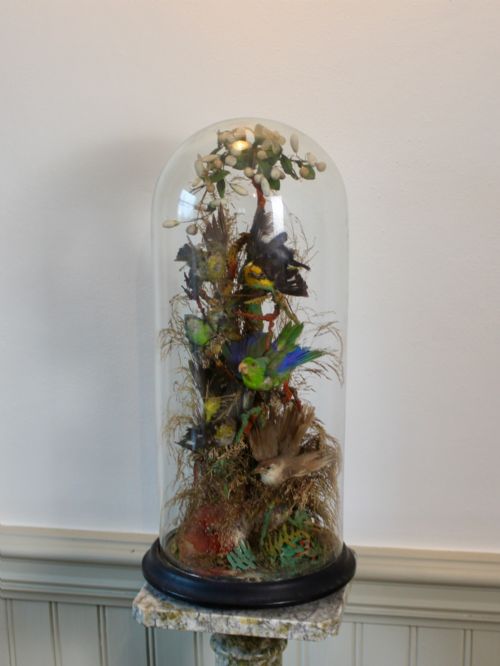


Ebonized Display Case
An ebonised display case brings dark timber and clear glass together to protect and frame prized objects.
Ebonized Display Case
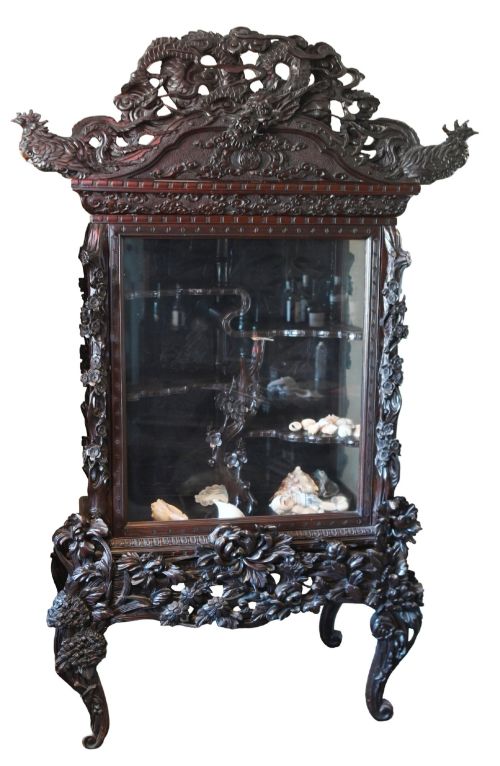
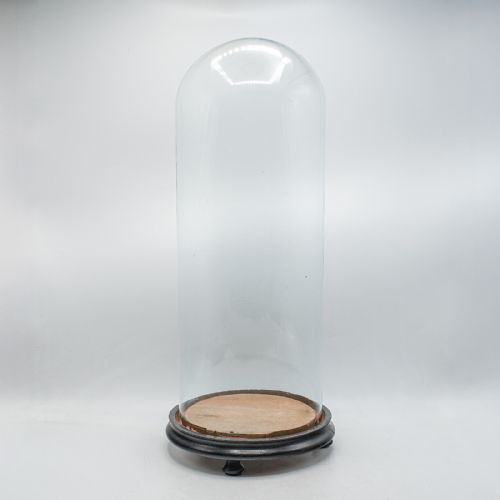
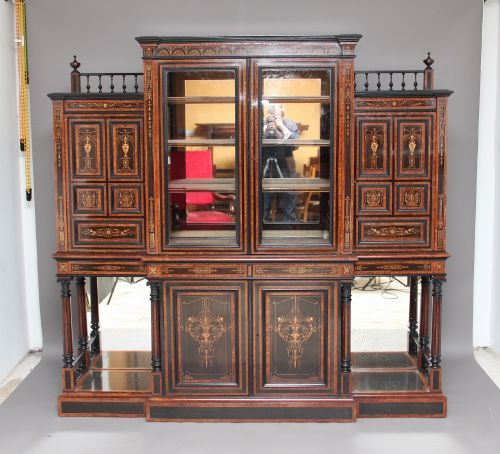
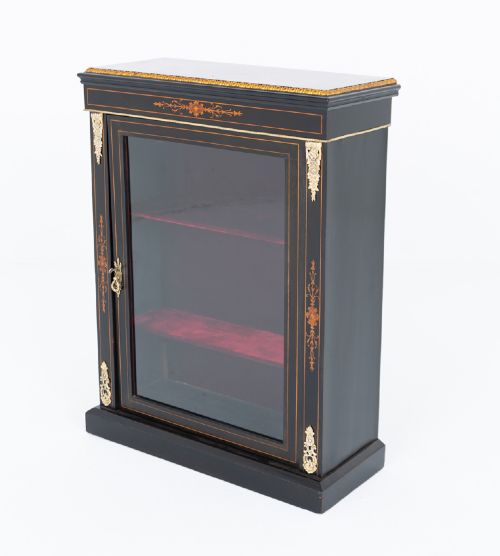
When you search for an ebonised display case, you encounter dark-finished timber cabinets and glass domes designed to showcase precious objects. The examples on this page span the Victorian and Edwardian eras, alongside Napoleon III and Aesthetic Movement pieces from the nineteenth and early twentieth centuries.
The selection ranges from large pier cabinets and floor-standing bookcases to countertop shop counters and tabletop taxidermy domes. Many incorporate brass mounts, porcelain plaques, or gold inlay, reflecting the decorative tastes of the periods in which they were made.
Cabinets provide shelving for books, ceramics, and curiosities, while glass domes sit on timber bases to cover specimens, clocks, and dioramas. These pieces originate from English and French workshops, utilising the deep black finish to create a striking backdrop for display.
Materials and Technique
Wood is stained or painted black to imitate ebony, creating the uniform dark surface characteristic of ebonised furniture. This technique appears alongside walnut veneer, hardwood, and pine structures.
Glass forms the primary viewing panels and protective domes, supported by brass mounts, ormolu, and velvet or fabric linings. Boulle inlay using tortoiseshell and brass adds intricate detail to French Napoleon III pieces.
Interior elements include fitted shelves, mirrored backs, and painted snow scenes or naturalistic bases for taxidermy displays.
Ebonized Display Case Retail Price Guide 2026
Typical asking prices for ebonized display case among the pieces listed under this phrase on Sellingantiques today, from the lower quarter to the upper quarter. They describe what is for sale here now, not the wider market.
Snow-scene taxidermy displays use powdered mica to recreate winter weather inside glass domes.
Distinctions in Execution
The standard of an ebonised display case depends on the precision of its construction and the quality of its secondary materials. Finer cabinets feature careful joinery, substantial brass mounts, and detailed inlay work rather than simple painted finishes.
The clarity and thickness of the glass, particularly in large blown domes and curved vitrine panels, separate standard utilitarian items from exhibition-grade pieces. Original backings, intact velvet linings, and undisturbed interior arrangements preserve the integrity of the object.
Lamb of Manchester·J Cooper And Sons·James Gardner
The Ebonized Display Case Glossary
- Ebonised
- Wood treated with a dark stain or finish to replicate the appearance of solid ebony. This treatment became popular during the nineteenth century for cabinets and decorative furniture.
- Vitrine
- A glass-fronted cabinet designed for the display of porcelain, curiosities, and fine objects. These freestanding or wall-mounted pieces often feature glazed sides.
- Pier Cabinet
- A narrow cabinet built to fit the wall space between windows. These pieces frequently feature ebonised wood and fitted shelving.
- Diorama
- A three-dimensional scene enclosed within a glass dome or case. Examples include taxidermy specimens and model ships set against painted backgrounds.
- Boulle
- A form of marquetry utilising brass and tortoiseshell inlaid into wood surfaces. This technique appears on French nineteenth-century furniture.
Ebonized Display Case: Frequently Asked Questions
What objects go inside a display dome?
Display domes house fragile specimens, taxidermy birds, clocks, and detailed dioramas. The glass cover protects delicate items from dust and handling while allowing all-round visibility.
Collectors historically used these glass covers to preserve botanical specimens, wax models, and intricate papercrafts from deterioration in domestic environments.
How do I clean an ebonised wood surface?
Dust ebonised furniture gently with a soft, dry cloth to prevent scratching the dark finish. Avoid using harsh chemical polishes or excessive moisture.
Wax applied sparingly maintains the sheen of the timber without building up a heavy residue on the blackened surface.
Where should I place a pier cabinet?
Pier cabinets suit narrow wall spaces, hallways, or reception rooms where floor space is limited. Their shallow depth allows them to stand against walls without obstructing walkways.
Positioning them away from direct sunlight protects interior velvet linings and delicate contents from fading over time.
How do I identify a Victorian display case?
Victorian display cases often feature ebonised timber, Aesthetic Movement gold inlay, or elaborate brass mounts. Construction methods typically involve hand-cut dovetails and older window glass.
Interior elements like original fabric linings and traditional hardware help confirm the nineteenth-century origins of the piece.