






Ebonised Wood Chest
An ebonised wood chest brings dark elegance and striking grain depth to a room through centuries of cabinetmaking tradition.
Ebonised Wood Chest
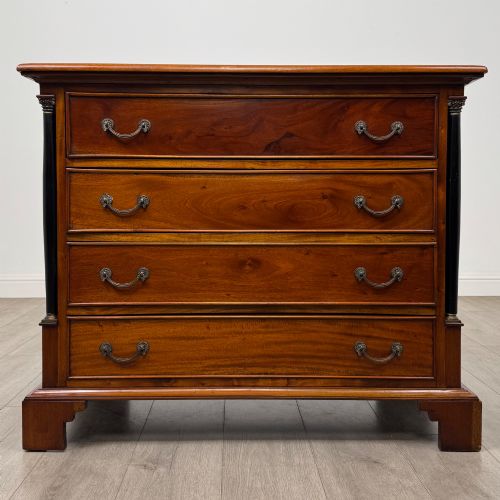
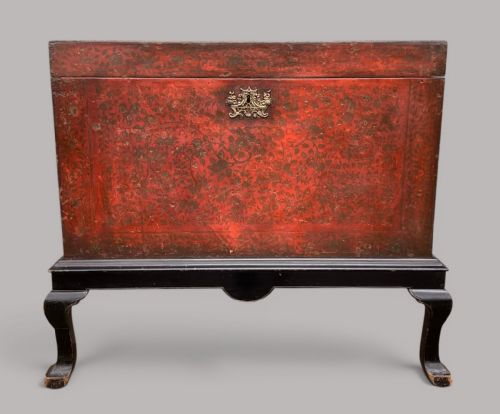
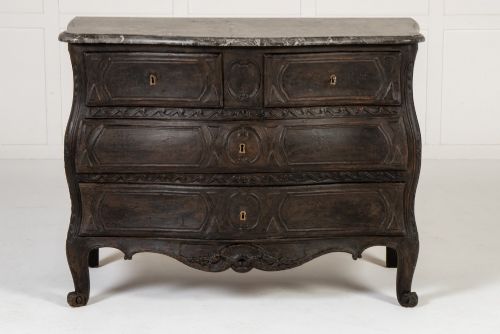
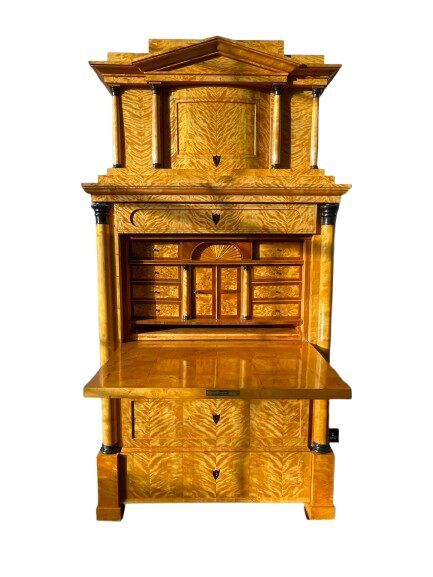
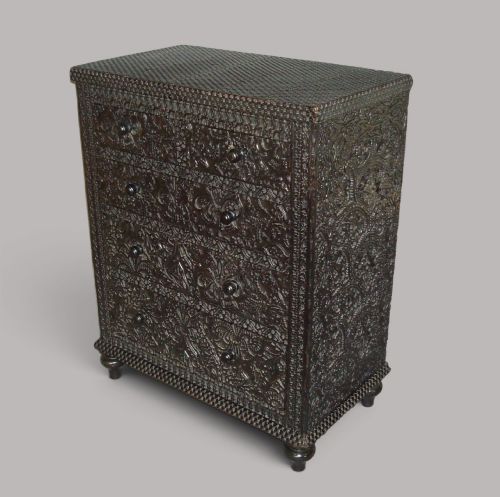
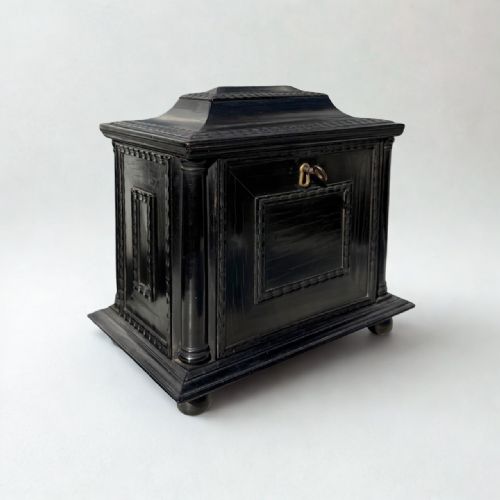
The search phrase covers a diverse selection of storage pieces finished in dark, simulated ebony alongside variants incorporating camphor wood, mahogany, and birch veneer. Pieces span from the seventeenth century through the Victorian era and into the twentieth century, taking forms such as commodes, chests of drawers, and tabletop cabinets.
Buyers are most likely to encounter nineteenth-century examples, including campaign chests and small chests of drawers featuring ebonised details or entirely dark finishes. These items combine practical storage compartments with distinct period styles ranging from Biedermeier to Flemish Baroque.
Alternative forms appearing in the records include blanket chests, coffer styles, and secretaires, demonstrating that ebonised finishes were applied across various domestic storage formats over multiple centuries.
Factors that define quality
The refinement of the surface finish and the precision of the ebonisation process distinguish finer examples from standard production. Superior pieces display deep, consistent colouration that preserves the underlying grain rather than masking it entirely.
Construction integrity in drawer joints, the preservation of original brass handles or locks, and the harmonious integration of decorative elements like parquetry or marble sections indicate higher workshop standards.
Ebonised Wood Chest Retail Price Guide 2026
Typical asking prices for ebonised wood chest among the pieces listed under this phrase on Sellingantiques today, from the lower quarter to the upper quarter. They describe what is for sale here now, not the wider market.
The recorded styles span Flemish Baroque, Biedermeier, and Empire Revival, demonstrating wide geographic origins for these dark-finished pieces.
The Ebonised Wood Chest Glossary
- Ebonised wood
- Timber treated with stains, dyes, or paint to simulate expensive ebony wood. This finish gained popularity in various European furniture traditions across multiple centuries.
- Campaign chest
- A portable storage unit made in two or more sections with recessed brass handles and corner brackets. These pieces were built for military officers on the move during the nineteenth century.
- Parquetry
- Geometric patterns formed from inlaid wood veneers fitted together on a surface. It appears on seventeenth and eighteenth-century Flemish and French cabinetry.
- Commode
- A low chest of drawers or cabinet originating in France. They often feature decorative veneers or shaped marble tops.
- Secretaire
- A cabinet or chest incorporating a writing drawer with a drop-front desk surface. They frequently conceal smaller internal compartments and pigeonholes.
Ebonised Wood Chest: Frequently Asked Questions
How do I care for an ebonised surface?
Maintain the finish by dusting regularly with a soft, dry cloth and avoiding direct sunlight or excessive moisture. Periodic application of appropriate furniture wax helps protect the surface without building up residue.
Keep the piece away from sudden temperature shifts to prevent the underlying wood from moving and stressing the dark finish.
How can I tell the period of a chest?
Dating relies on examining construction methods, timber choices, and stylistic details such as hardware and leg forms. Earlier pieces from the seventeenth and eighteenth centuries often feature hand-cut dovetails and specific regional proportions.
Comparing the decorative vocabulary, such as Biedermeier simplicity or Flemish Baroque carving, helps narrow down the era of manufacture.
Were these chests used for travel?
Certain forms, specifically campaign chests built with camphor wood and brass bindings, were engineered for colonial travel and military deployment. Other variations like commodes and table cabinets remained static domestic furniture.
The inclusion of recessed hardware and sectional builds generally indicates travel utility.