





Ebonised Turned Wood Stand
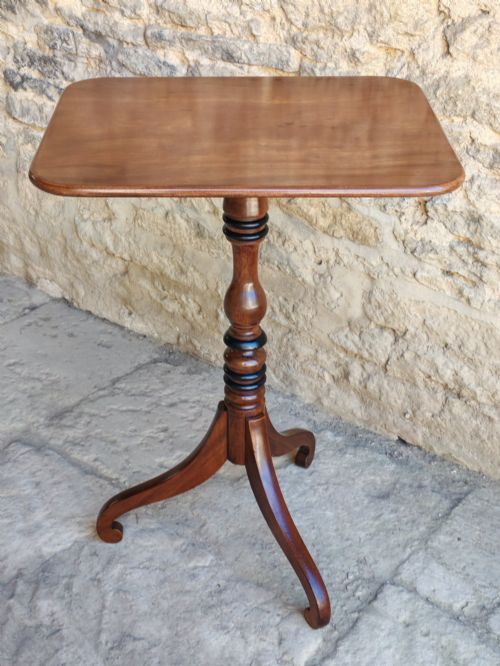
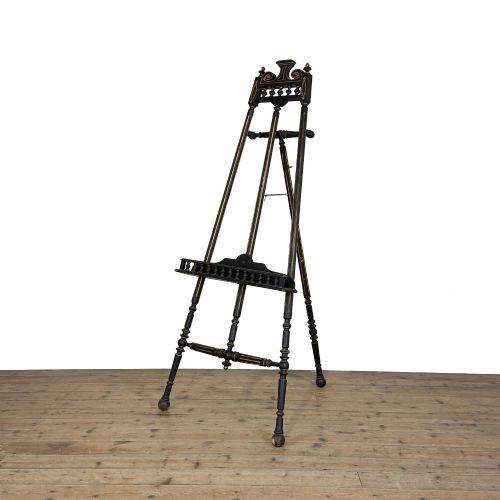
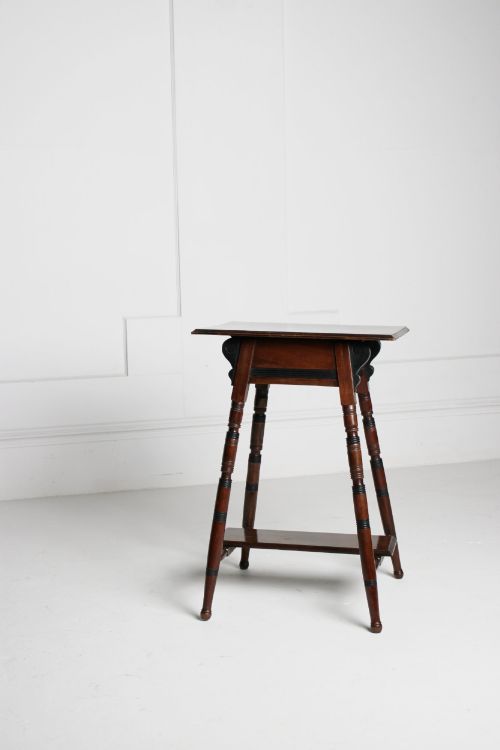
These ebonised turned wood stand examples bring dark-finished elegance to a room, offering sturdy support for display.
Ebonised Turned Wood Stand
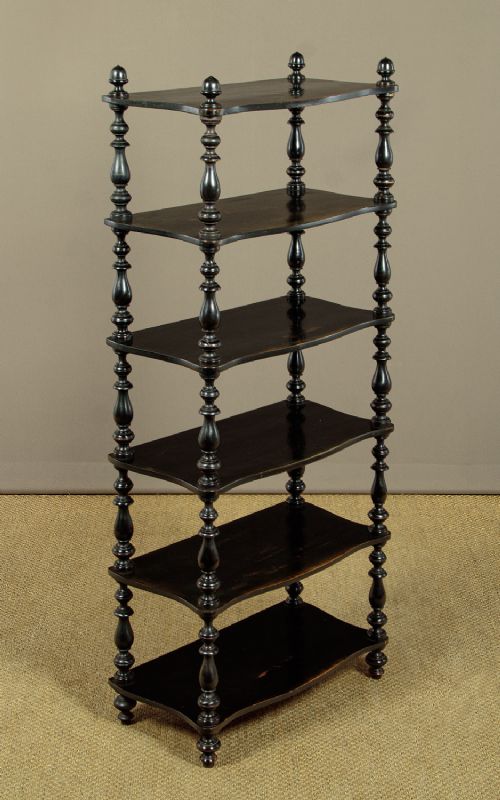
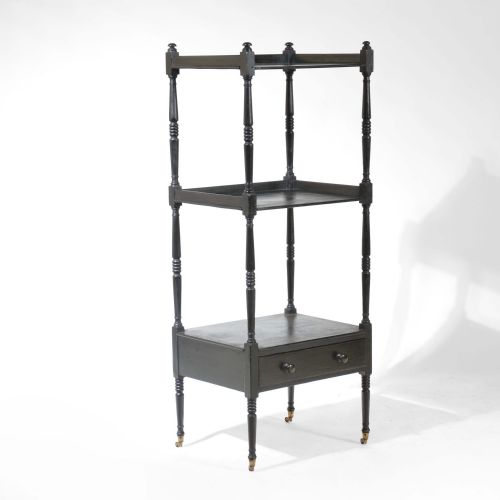
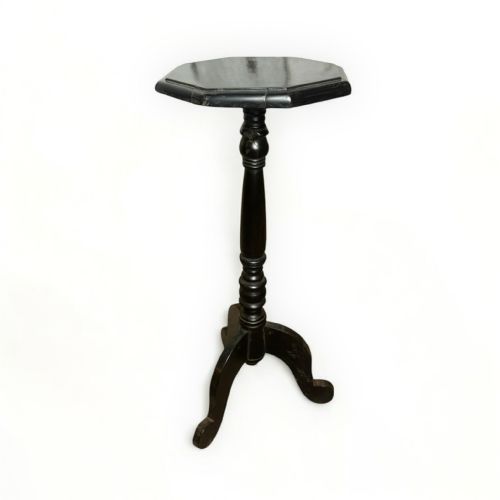
When you search for an ebonised turned wood stand, you encounter pieces designed for functional display across several centuries, ranging from occasional tables and floor lamps to tiered stands and whatnots. The items seen most frequently date from the nineteenth century, including Victorian interpretations and Aesthetic Movement designs.
The forms vary considerably in height and profile, encompassing corner units, dumb waiters, and side tables. Many examples incorporate turned components that provide structural detail alongside support.
How they were made
The makers utilised hardwoods and softwoods, frequently applying an ebonised finish to simulate expensive ebony or to align with Aesthetic Movement tastes. Some pieces integrate secondary materials such as mahogany, walnut, brass, paper, and gold leaf.
Surface treatments range from simple dark staining to parcel gilding and the inclusion of porcelain inserts. Turning techniques shape the structural supports and legs, creating rhythmic profiles on pedestals and standards.
Ebonised Turned Wood Stand Retail Price Guide 2026
Typical asking prices for ebonised turned wood stand among the pieces listed under this phrase on Sellingantiques today, from the lower quarter to the upper quarter. They describe what is for sale here now, not the wider market.
Some nineteenth-century makers painted wood black just to convince everyone at dinner that your side table was solid ebony from the colonies.
What varies in quality
The distinction between standard utility items and finer pieces lies in the precision of the turning and the integrity of the ebonised finish. Superior examples maintain crisp detail in the woodwork and employ solid primary timbers rather than lesser carcase materials.
Proportion and stylistic cohesion also separate ordinary production from pieces linked to notable retail houses or specific design movements like the Anglo-Moorish or Anglo-Japanese styles.
Druce & Co London·Liberty
The Ebonised Turned Wood Stand Glossary
- Ebonised
- Wood treated with stain, dye, or paint to resemble natural ebony. This dark finish became particularly popular during the nineteenth century.
- Turned
- Wood shaped on a lathe to produce rounded, symmetrical decorative and structural elements. It defines the legs, columns, and uprights of many stands.
- Whatnot
- A set of open shelves used for displaying ornaments or books. These pieces often feature multiple tiers supported by turned columns.
- Aesthetic Movement
- A nineteenth-century design current emphasising visual beauty over narrative content. It frequently manifests in ebonised furniture with Japanese influences.
- Parcel Gilt
- Decoration where only specific portions of an object receive a covering of gold leaf. It highlights carved or turned details against a dark background.
Ebonised Turned Wood Stand: Frequently Asked Questions
What rooms suit an ebonised turned wood stand?
These pieces fit comfortably in sitting rooms, studies, and hallways where a dark wood accent complements existing furniture. Their compact footprints allow them to function as display surfaces in corners or beside seating.
Larger items like floor lamps and multi-tiered stands anchor vertical space, while smaller tables serve specific placement needs.
How do I identify an Aesthetic Movement stand?
Aesthetic Movement pieces typically display simplified structural forms with ebonised surfaces, often drawing inspiration from Japanese design principles. They frequently date from the late nineteenth century and avoid heavy Victorian ornament in favour of clean lines.
Detailing may include slender turned supports and subtle gilding rather than elaborate carving.
How should I care for ebonised wood surfaces?
Maintenance involves dusting with a soft, dry cloth to prevent particulate accumulation on the dark finish. Avoiding direct sunlight and moisture protects the ebonised treatment from fading or lifting.
Periodic application of appropriate furniture wax preserves the sheen without building up heavy residue.