


Ebonised Case Clock
An ebonised case clock brings dark wood polish and precision movement together, offering a traditional centrepiece for any room.
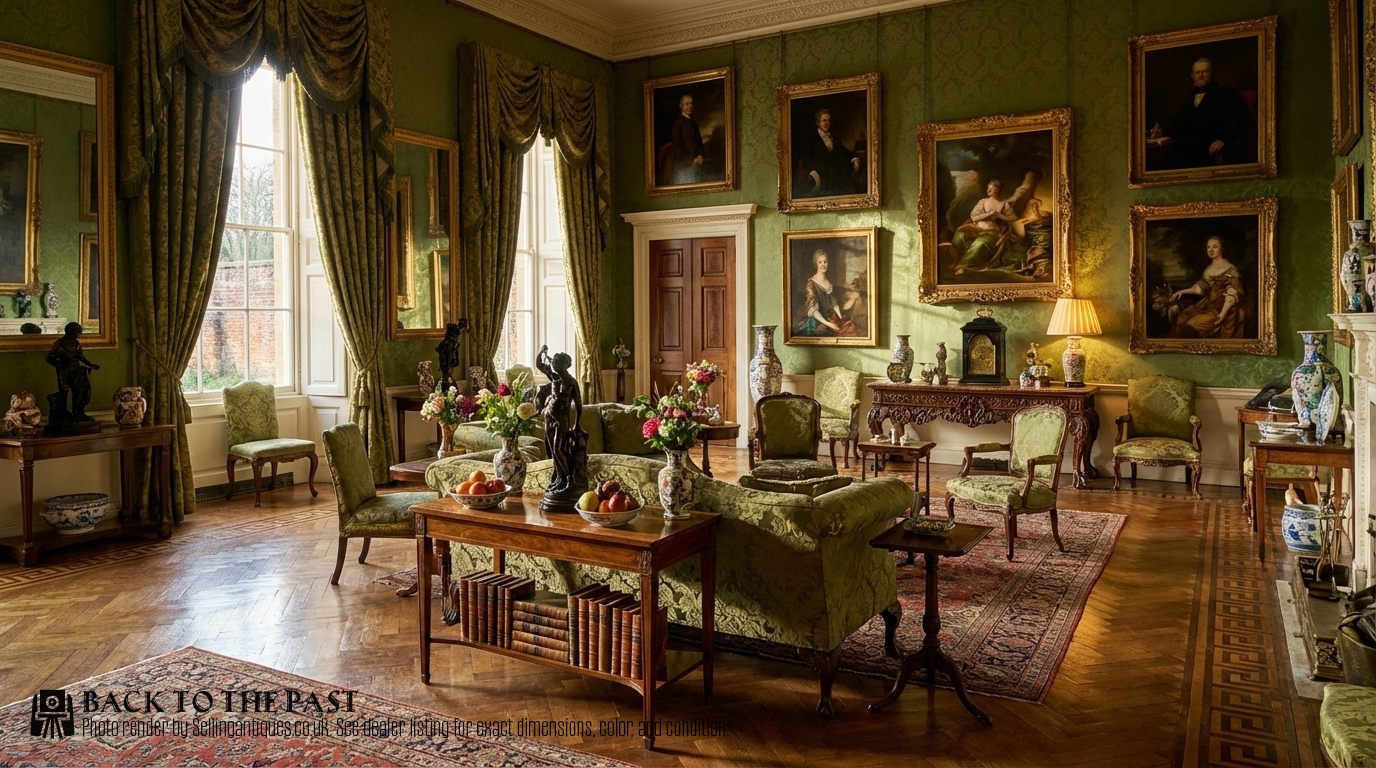
Ebonised Case Clock
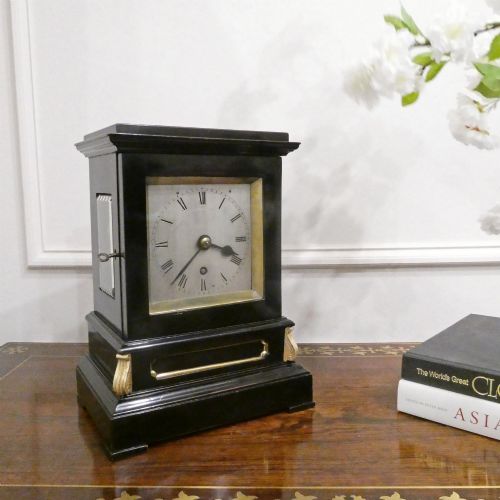
An ebonised case clock combines a dark, simulated ebony finish with precise timekeeping mechanisms spanning several centuries. Buyers searching this phrase will find longcase clocks, bracket clocks, and wall-hanging regulators housed in these distinctive dark housings.
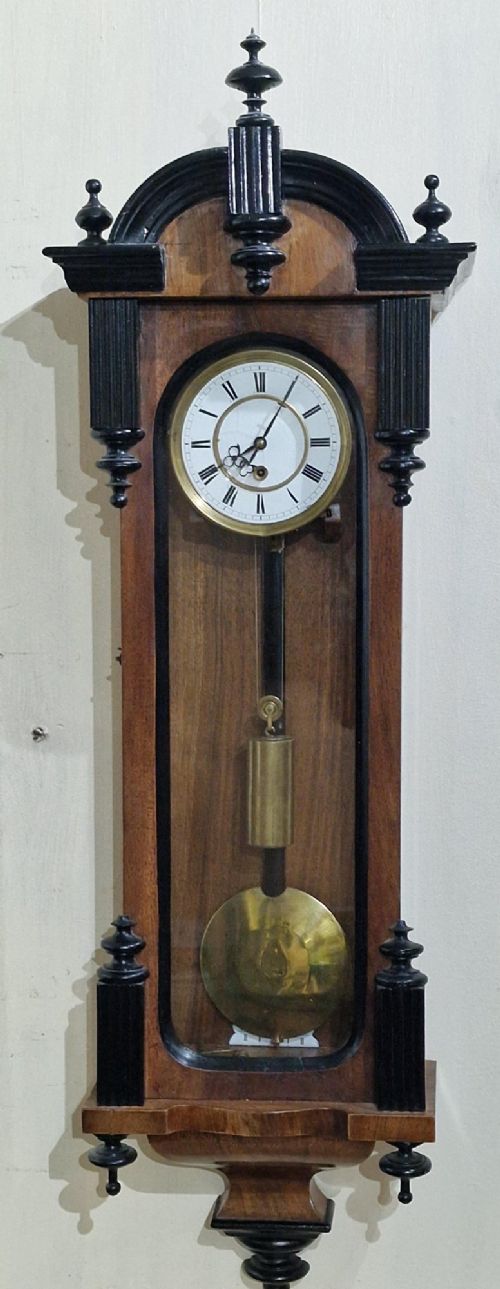
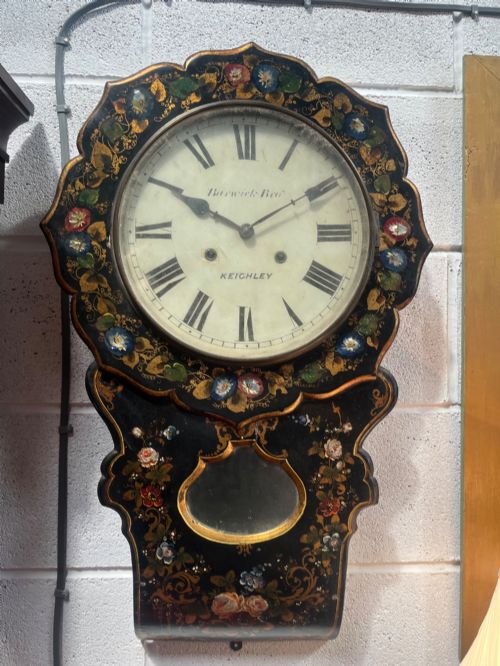
The selections range from early bracket designs originating in the eighteenth century up to larger Victorian wall-hanging pieces. Longcase examples also appear alongside smaller table clocks and library pieces.
Many items derive from Georgian and Victorian periods, utilising glass, brass, and timber to frame the dial. These variations reflect shifting interior fashions across different British eras.
Materials and construction methods
Wood serves as the foundation for the housing, treated with an ebonising process to achieve a deep, uniform black surface that mimics solid ebony. Cabinet makers combined this dark timber finish with brass dials, bezels, and decorative mounts.
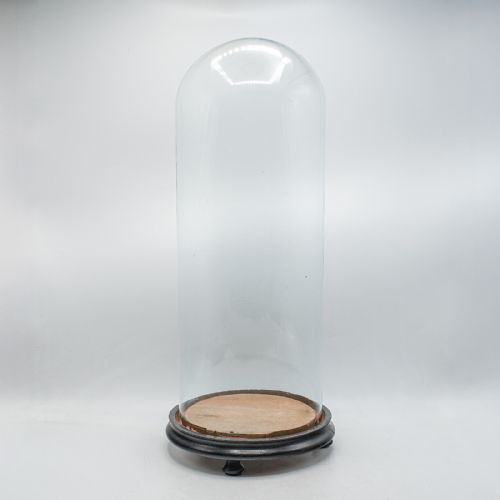
Makers integrated glass panels into bracket clock cases and protection domes to display the mechanical movements. Brass components such as fusee movements, silvered dials, and bell tops were fitted meticulously within the wooden carcasses.
Several Victorian domes on offer once protected taxidermy and botanical specimens rather than timepieces.
Markers of quality
The refinement of the ebonised finish and the crispness of the brass dial engravings distinguish finer examples from standard production. Superior execution shows in the balanced proportions of the break-arch or bell-top case and the complexity of the movement, such as month-duration or quarter-repeating mechanisms.
Original matching brackets, intact silvered chapter rings, and well-preserved painted or enamelled details elevate the standing of a piece. The integration of maker signatures on the dial further influences the historical weight of the clock.
Richard Rooker·William Tomlinson·John Drew·Joseph Lum·Tregent·Richard Young·George Borrett·Anthony Harrison·Comber of Lewes·Bartholowmew Devis
The Ebonised Case Clock Glossary
- Ebonised
- Wood treated to resemble solid ebony through staining or painting. This finish was widely utilised across Georgian and Victorian clock cases.
- Fusee
- A conical pulley used in spring-driven clocks to maintain even power as the mainspring unwinds. It forms a key part of many bracket and library clock movements.
- Verge escapement
- An early type of clock mechanism controlling the release of gear train power. It often pairs with a pendulum or balance spring in eighteenth-century pieces.
- Break-arch
- A clock case top featuring a central rounded arch above two smaller shoulder sections. This shape frequently occurs on bracket clock hoods.
- Silvered dial
- A metal clock face treated to achieve a bright, reflective silver finish. Engraved numerals and markers stand out clearly against this pale surface.
Ebonised Case Clock: Frequently Asked Questions
What is an ebonised case clock?
An ebonised case clock is a timekeeper housed in wooden casing finished with a dark, opaque black surface. These pieces range from tall longcase clocks to smaller bracket and table models.
Cabinet makers utilised this technique to achieve the luxury appearance of solid ebony using more accessible domestic timbers. The dark housing provides a striking contrast against brass dials and silvered chapter rings.
How do I identify the period of a clock?
Dating relies upon stylistic details in the woodwork, dial proportions, and the complexity of the internal movement. Earlier eighteenth-century examples often feature verge escapements and break-arch hoods.
Later Victorian and Edwardian variations introduce different architectural motifs and simpler striking mechanisms. Examining the signature of the maker on the dial also helps narrow down the production decade.
Where were these clocks placed historically?
Longcase versions stood in hallways and principal rooms where their height could be accommodated easily. Bracket clocks and smaller table models sat upon desks, shelves, or dedicated matching wall brackets.
Library clocks served functional roles in study spaces, while wall-hanging regulators monitored time in commercial or grand domestic interiors. Their dark finish suited formal nineteenth-century decor schemes.
How do I care for an ebonised finish?
Maintenance involves keeping the wooden housing away from direct sunlight and excessive moisture fluctuation. Gentle dusting with a soft, dry cloth preserves the dark surface without wearing away the finish.
Mechanical movements require professional servicing every few years to ensure the gear trains operate smoothly. Avoid using standard household cleaning sprays on the antique wood or glass components.