




Eastern Persian Rug
An eastern persian rug brings centuries of village and tribal weaving traditions into a room, offering rich natural dyes and durable wool construction.
Eastern Persian Rug
An eastern persian rug encompasses a wide variety of floor coverings and textiles originating from nomadic tribes, village workshops, and urban centres across the region. When searching for this phrase, buyers encounter pieces ranging from room-size palace carpets to small tribal bags and runners produced between the eighteenth and mid-twentieth centuries.
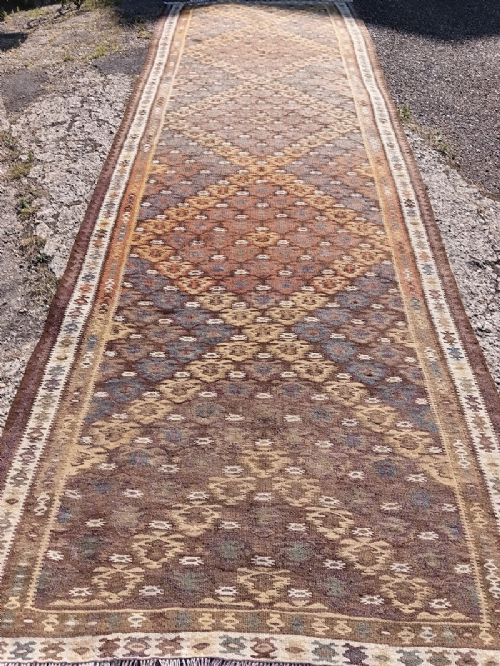
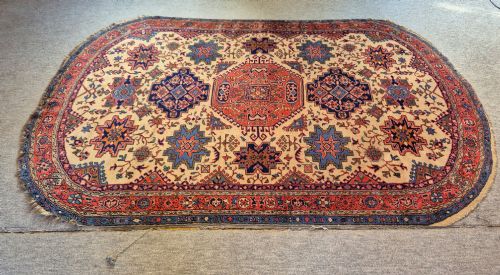
The most common examples on this page are village and tribal pieces such as Hamadan, Kurdish, and Afshar rugs from the late nineteenth and early twentieth centuries. These works display traditional geometric motifs, medallion layouts, and village patterns woven on cotton or wool foundations.
Materials and Construction
These textiles rely primarily on hand-spun wool and cotton foundation threads, with occasional use of silk and wool felt. Weavers utilised natural dyes to achieve deep colour palettes that mellow gracefully over decades of use.
Construction methods include hand-knotting, flat-weaving, and embroidery techniques such as block printing and painting. Village and tribal pieces often incorporate sturdy plain weave backs and reinforced selvedges to withstand daily wear.
Eastern Persian Rug Retail Price Guide 2026
Typical asking prices for eastern persian rug among the pieces listed under this phrase on Sellingantiques today, from the lower quarter to the upper quarter. They describe what is for sale here now, not the wider market.
Assessing Quality and Execution
Quality in these textiles depends heavily on the precision of the knotting, the complexity of the design layout, and the depth of the wool pile. Finer examples display high knot densities that allow intricate floral medallions and curved lines to remain crisp and legible.
The choice of dyestuffs also distinguishes superior pieces, as master weavers achieved vibrant, lightfast colours using natural materials. Furthermore, structural integrity, such as complete borders and intact ends, separates exceptional survivors from heavily restored or compromised examples.
Benlian
The Eastern Persian Rug Glossary
- Kelleh
- A long, rectangular format intermediate in size between a standard rug and a full room-size carpet. These elongated formats suited the proportions of traditional Persian rooms.
- Prayer rug
- A textile featuring a central mihrab or arch design indicating the direction of prayer. These pieces were often used for personal devotion or domestic display.
- Plain weave
- A simple, non-pile textile construction method where warp and weft threads cross alternately. It frequently appears on the backs of storage bags and flat-woven panels.
- Natural dyes
- Colourants derived from plant, insect, and mineral sources prior to the widespread adoption of synthetic alternatives. They yield complex, harmonious tones that age with a soft patina.
- Medallion
- A central ornamental design motif placed in the field of a rug. It can take geometric, floral, or curvilinear forms depending on the origin of the weaving.
Eastern Persian Rug: Frequently Asked Questions
How do I clean an old rug?
Maintenance requires gentle vacuuming without a rotating brush bar to protect the wool pile and delicate foundation threads. Professional specialist cleaning remains essential for removing deep dirt without damaging natural dyes.
Water exposure should be kept to an absolute minimum during routine upkeep. Allowing air circulation beneath the piece prevents moisture accumulation.
Can these rugs go in hallways?
Runner formats and long carpets suit high-traffic corridors and stairways when paired with a quality underlay. Wool and cotton construction provides natural resilience against heavy footsteps.
Rotating the placement periodically ensures even wear across the surface. This practice protects specific areas from concentrated friction.
How are tribal rugs identified?
Attribution relies on characteristic colour combinations, structural materials, and repeating geometric motifs unique to specific groups. Village weavers often incorporated distinct border arrangements and tribal symbols passed down through generations.
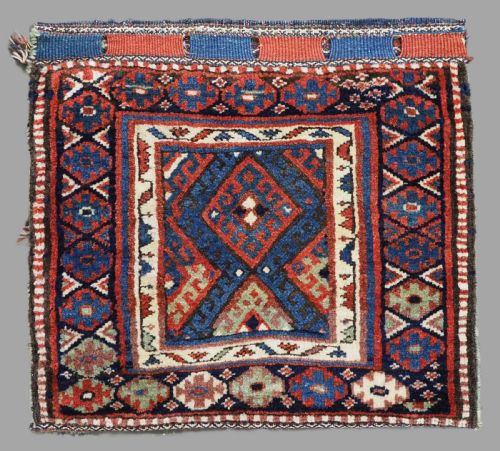
Comparing knotting styles and foundation structures helps narrow down the probable region of origin. Regional traits remain visible even in smaller utilitarian items like saddle-bags.
Are natural dyes easy to spot?
Natural colourants display subtle tonal variations known as abrash, where the hue shifts gradually across the wool due to batch dyeing. These organic tones mellow softly under natural light over decades.
Synthetic dyes introduced later can appear uniform and occasionally bleed when exposed to moisture. Examining the wool fibres under magnification reveals how deeply the dye penetrated.