




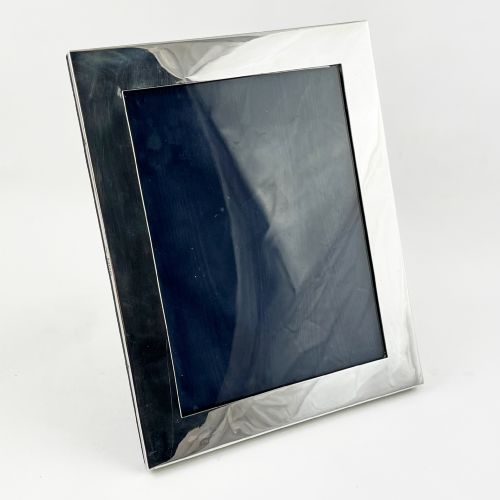

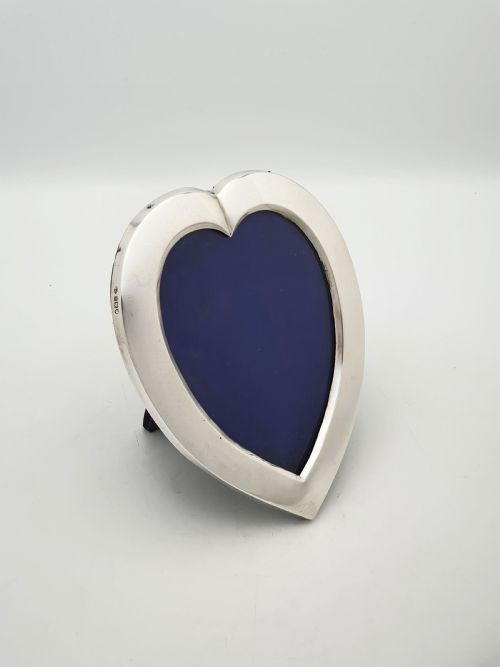
Easel Back Frame
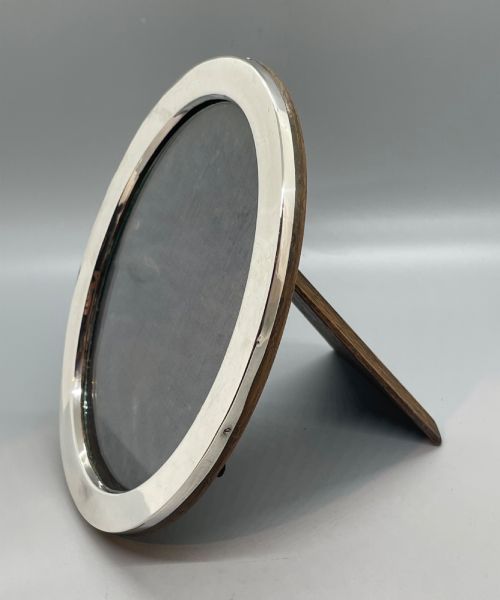
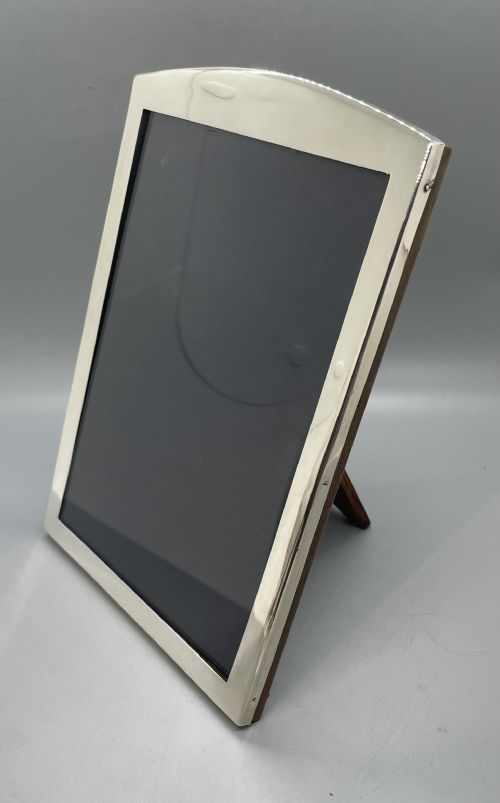
An easel back frame props a photograph or mirror upright on a table using a hinged rear stand.
Easel Back Frame
When you search for an easel back frame, you find decorative table accessories designed to hold personal photographs and small mirrors. These pieces sit upright on desks, dressing tables, and mantelpieces supported by a hinged structural prop attached to the reverse.
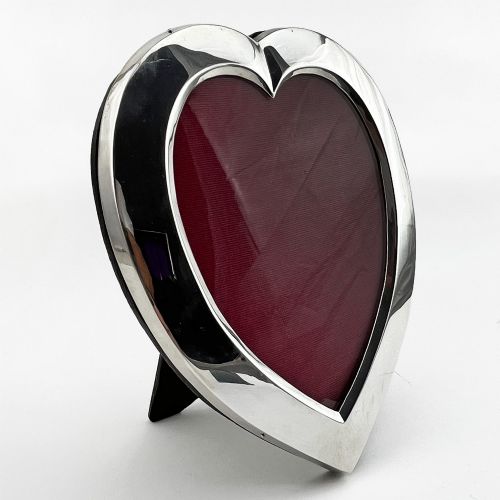
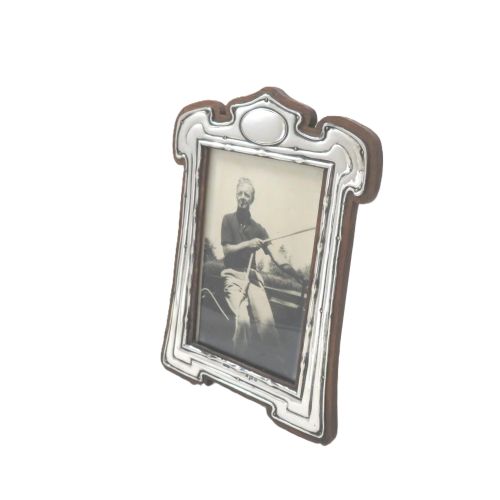
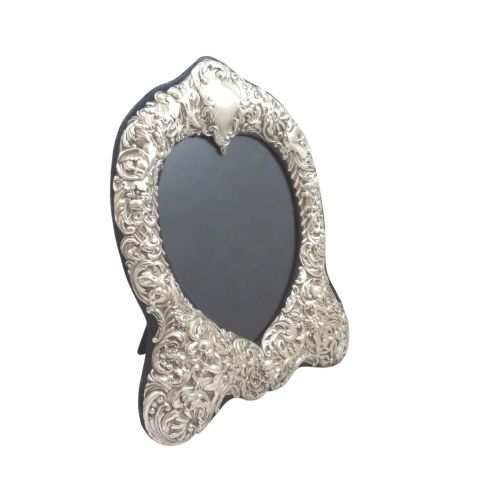
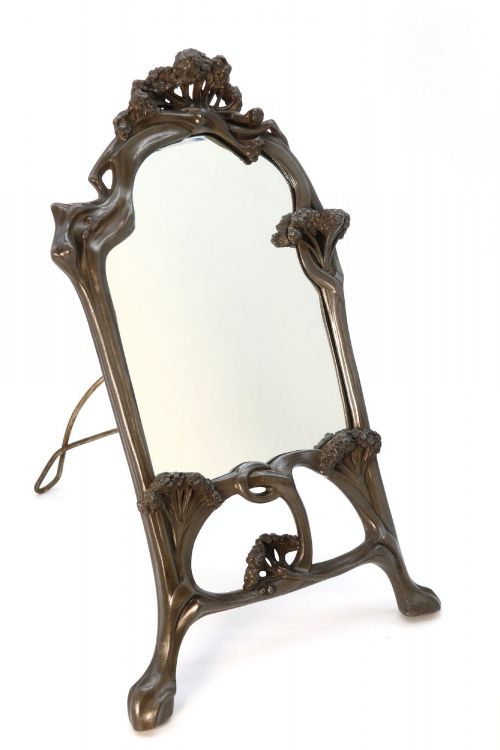
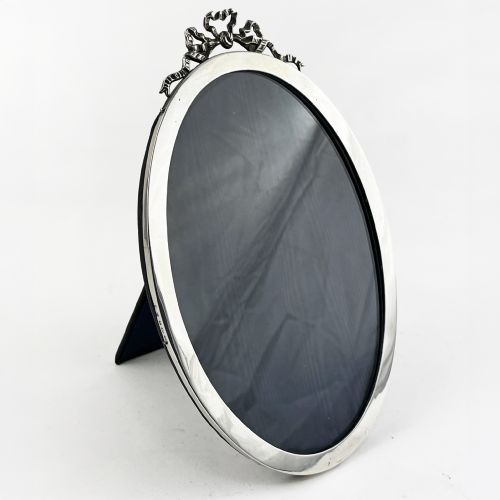
The versions you meet most frequently on this page date from the Victorian and Edwardian eras through to the mid-twentieth century. They appear primarily as picture frames, photo frames, and table mirrors shaped in ovals, hearts, circles, and rectangles.
Makers constructed the primary housings from sterling silver, 800 silver, pewter, brass, and gilt metal. The supporting backs behind these metal fronts utilise materials such as wood, oak, velvet, fabric, and leather to keep the structure stable.
How they were made
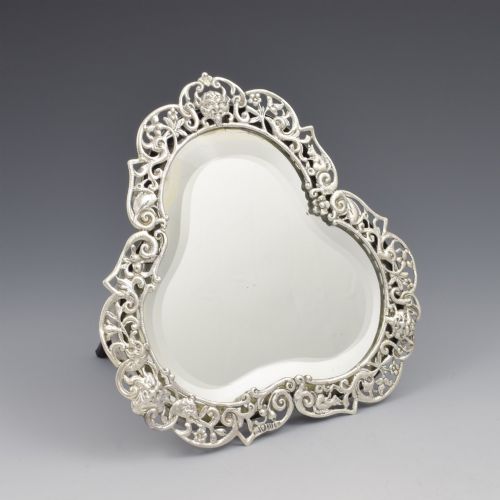
Makers fashioned the outer display faces using sheet metal techniques like stamping, embossing, piercing, and engraving to produce floral borders, cherubs, and animal motifs. Some pieces incorporate applied enamel details or micro mosaic tile work set into the metal housing.
The structural support relies on a rigid back panel hinged to the main frame, allowing the object to tilt at a viewing angle. These rear panels use timber such as oak, or card covered in fabric, velvet, or black leather, held in place by swivel clips or turn-buttons.
Listings feature picture frames, photo frames, and table mirrors from the Victorian, Edwardian, and mid-twentieth-century periods.
What varies in quality
The distinction between standard commercial output and superior work rests on the weight of the metal and the depth of the hand-chased or embossed ornamentation. Heavier gauge sterling silver and crisp, deep piercing demonstrate skilled workmanship compared to thin pressed plating.
Quality also depends on the original backing materials and the survival of the functional hinge mechanism. Examples retain distinct character when their original oak stands, velvet coverings, or leather props remain intact alongside clear assay office hallmarks.
William Comyns·Henry Matthews·Walker and Hall·Louis Auguste Moreau
The Easel Back Frame Glossary
- Easel back
- A hinged rear prop that allows a frame or mirror to stand upright on a horizontal surface without additional support.
- Sterling silver
- An alloy containing a high proportion of pure silver, widely utilised for the decorative face of British frames.
- Assay mark
- An official stamp indicating the metal standard, the assay office city, and the year of testing.
- Pierced work
- A decorative technique where metal is cut through to create openwork patterns such as scrollwork or animal scenes.
- Micro mosaic
- Tiny coloured glass tesserae assembled by hand to form intricate pictorial motifs on the frame surface.
Easel Back Frame: Frequently Asked Questions
How do I date an easel back frame?
You date these pieces by examining the hallmarks stamped into the metal border or by identifying stylistic indicators like Art Nouveau curves or Victorian ornamentation. Assay marks provide specific town symbols and date letters corresponding to British assay office records.
Supporting materials like oak stands and velvet or leather backs also offer clues to the period. Earlier examples often feature heavy timber props, whilst later twentieth-century items utilise different hinge mechanisms.
How were these frames used?
Owners placed these items on dressing tables, desks, and occasional tables to display portraits of family members or small mirrors. The easel mechanism allowed the glass face to angle towards the viewer.
They served both decorative and personal functions in domestic interiors. Many held photographs of children, military personnel, or wedding portraits.
What metals are most common?
Sterling silver and 800 silver appear frequently across these listings alongside silver-plated white metal and pewter. Gilt metal and brass also occur in nineteenth-century examples.
The metal face provides the decorative weight and aesthetic style, whilst the structural support behind is built from wood or covered card.
Can I replace the backing?
Backings vary from solid oak and leather to fabric-covered panels, and surviving original backs maintain the integrity of the piece. Replacements alter the historical construction.
When a stand is refurbished or replaced, the hinge attachment method changes. Inspecting the reverse helps determine whether the wood or leather components are original to the frame.