




Earthen Tone Landscape
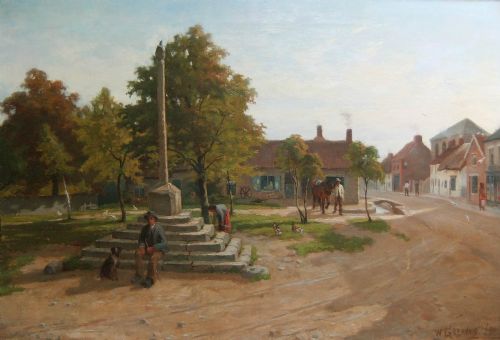
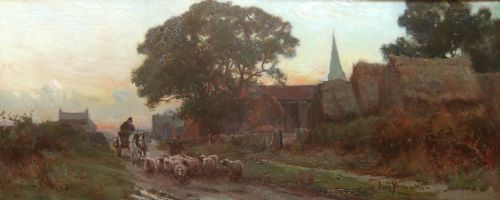
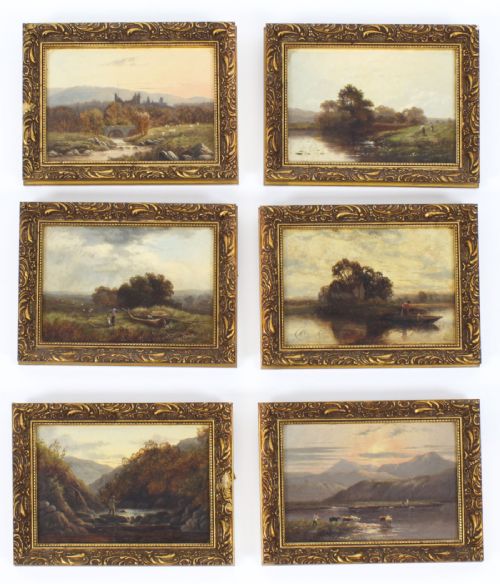
These earthen tone landscape works bring warm palettes and pastoral quiet into a room.
Earthen Tone Landscape
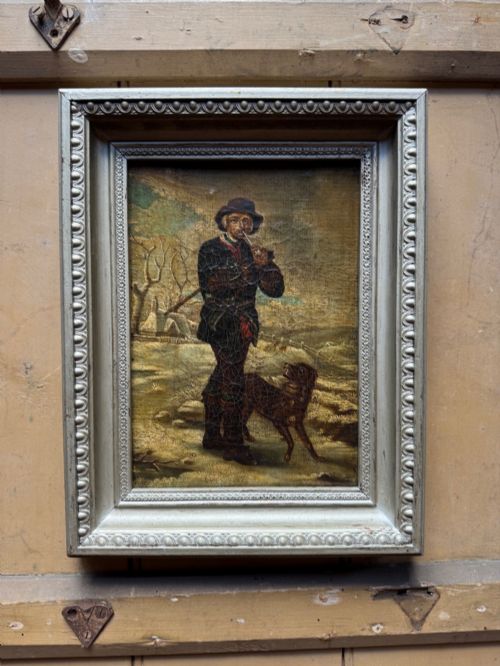
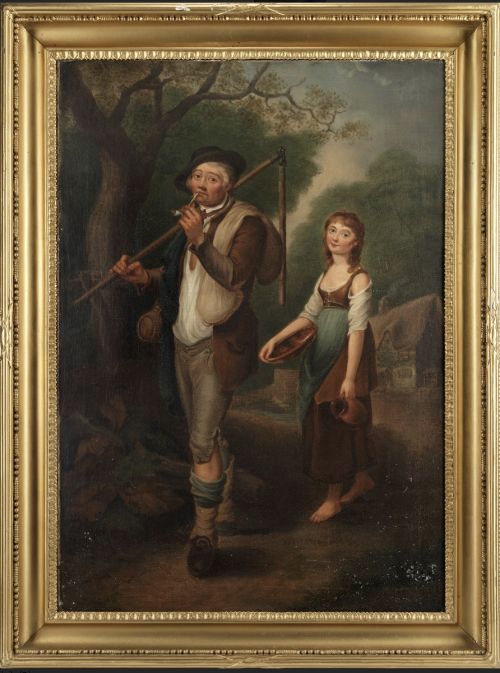
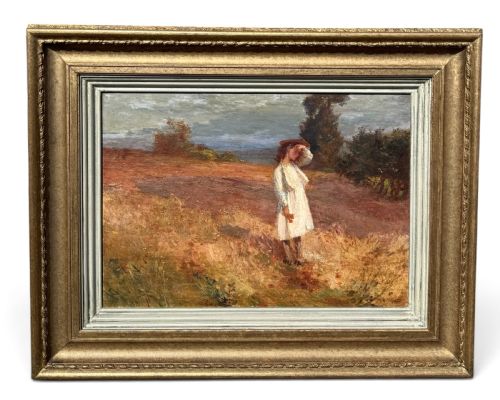
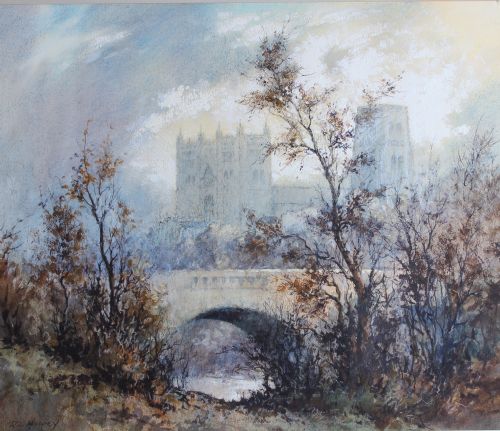
When you search for an earthen tone landscape, you find oil paintings, watercolours, and textiles that capture rural scenes through muted ochres, browns, and greens. These pieces span from the eighteenth century to the mid-twentieth century, recording farms, rivers, and country villages.
The oil paintings on canvas and board form the largest group, alongside nineteenth-century watercolours and verdure tapestries. Subjects range from Yorkshire pastures and Scottish castles to French riverbanks and Italian classical views.
How they were made
Artists built these scenes using oil paint on canvas, panel, and board, often layering pigments to achieve deep natural hues. Watercolours on paper capture lighter atmospheric effects through washes.
Framing matters to the integrity of the piece, with several works retaining original gold leaf frames that complement the warm tones within the canvas.
Listings feature oil paint, canvas, paper, and gold leaf across works from the eighteenth to twentieth centuries.
What varies in quality
Handwritten signatures, inscribed titles on mounts, and documented attribution to known regional painters separate accomplished works from anonymous decorative pieces. The handling of light across fields and skies determines visual depth.
Condition of the canvas, stability of the oil paint surface, and the presence of period-correct frames dictate how well a piece survives through the centuries.
Thomas Barker of Bath·Umberto Volpato·Robert Leslie Howey·William Greaves·Owen Bowen·James Orrock·Alphonse Robert·Francesco Zuccarelli·Thomas Whittle the Younger·Frederick W. Jackson·Ernest Higgins Rigg·Fred Lawson·James Ward·George Morland·James Hughes Clayton·Philip Naviasky·Edward John Cobbett
The Earthen Tone Landscape Glossary
- Oil on canvas
- Pigments bound in a drying oil applied to stretched woven fabric. This medium allows for rich blending and textured brushwork.
- Watercolour painting
- Pigments suspended in a water-soluble vehicle applied to paper. It creates transparent washes that rely on the white of the paper for luminosity.
- Verdure tapestry
- A wall hanging depicting a stylised landscape filled with foliage, trees, and often animals. These textiles were woven from wool and silk threads.
- Impressionism
- A style of painting that focuses on the visual impression of the moment, particularly shifting light and natural colours. Painters use rapid, visible brushstrokes.
- Classical landscape
- An idealized view of nature incorporating ruins, figures from mythology or pastoral life, and balanced compositional elements.
Earthen Tone Landscape: Frequently Asked Questions
What periods do these landscapes cover?
The works span from the early eighteenth century through the Victorian era up to the mid-twentieth century. Most examples date from the nineteenth century.
Styles shift from classical compositions and naive folk art to British Impressionism and twentieth-century regional realism.
How should I hang an oil painting?
Hang paintings away from direct sunlight and steady heat sources to protect the canvas and oil pigments. Secure them to wall studs using appropriate hardware.
Ensure the room humidity remains stable to prevent warping in wooden stretchers and panel supports.
Are watercolours framed differently from oils?
Watercolours sit under glass on paper to protect the delicate medium from moisture and dust. They require acid-free mounts to prevent paper degradation.
Oil paintings on canvas remain unglazed so the textured brushwork and surface sheen stay visible.
What subjects appear in these scenes?
Common subjects include agricultural fields, river valleys, cathedral cities, and coastal harvest scenes. Domestic animals and figures engaged in rural labour frequently populate the foregrounds.
Locations range across Yorkshire, Northumberland, Durham, and continental European countryside.