


Early Wooden Sculpture
Early wooden sculpture spans centuries of carving, bringing raw character and historical depth into a room through figures, animals, and architectural fragments.
Early Wooden Sculpture
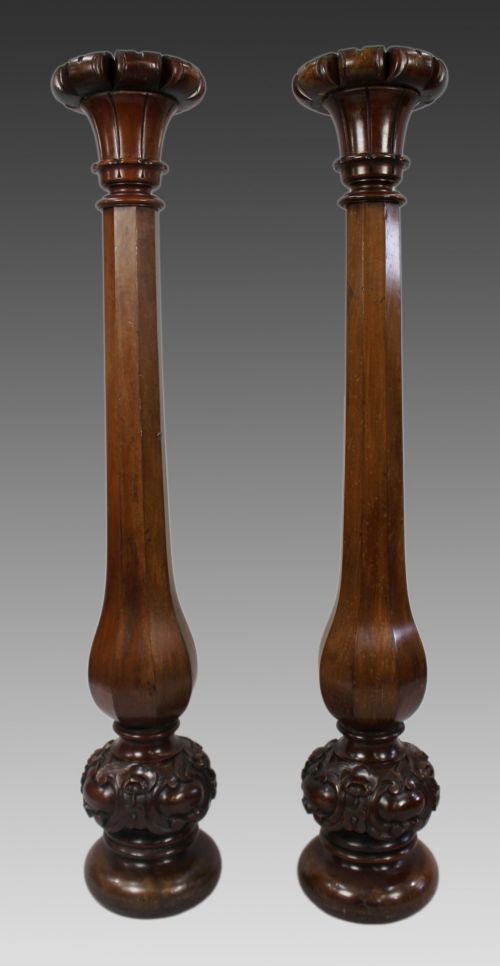
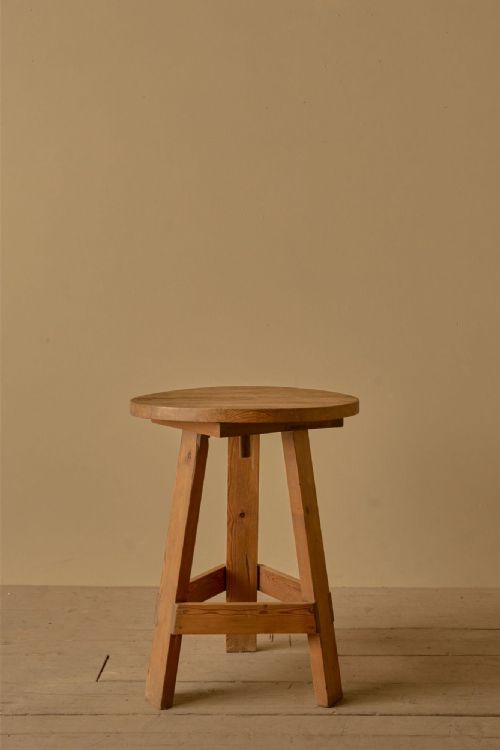
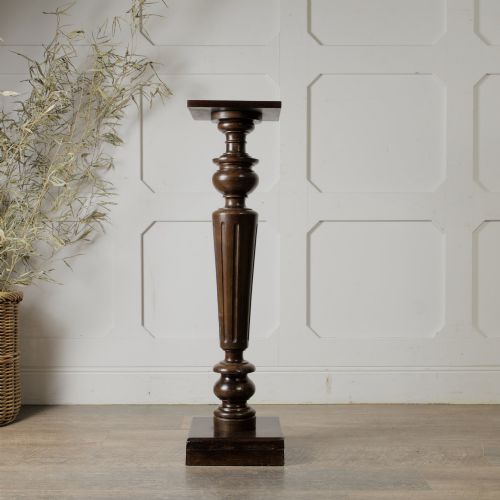
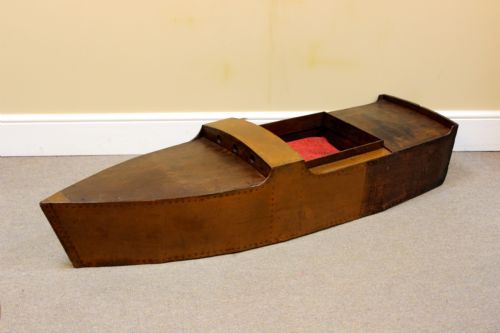
Early wooden sculpture encompasses a diverse range of carved forms, running from devotional figures and ecclesiastical fragments to folk art animals and architectural stands. When exploring early wooden sculpture, a buyer encounters centuries of craftsmanship, spanning religious icons, fairground rides, and practical display pieces like pedestals and plinths.
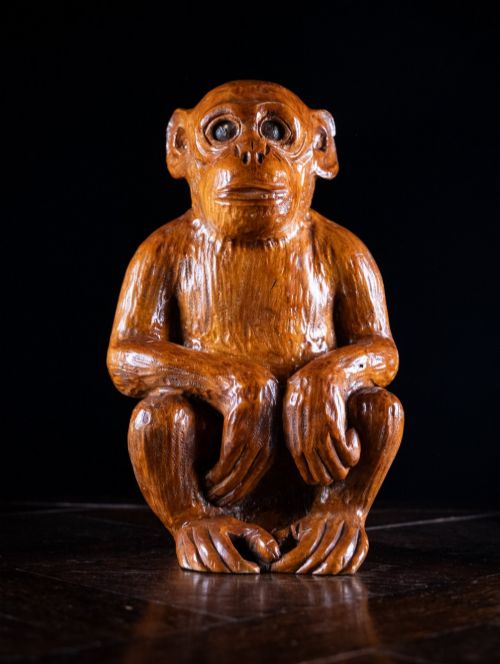
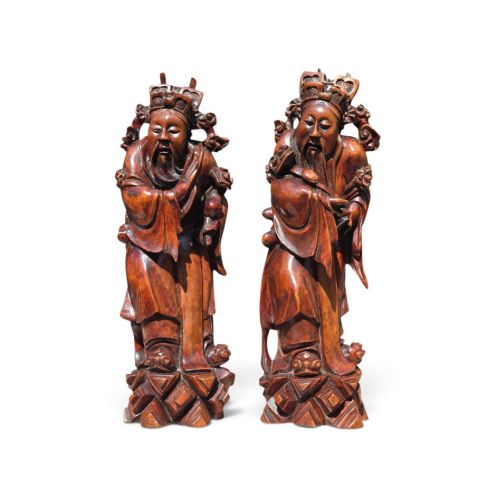
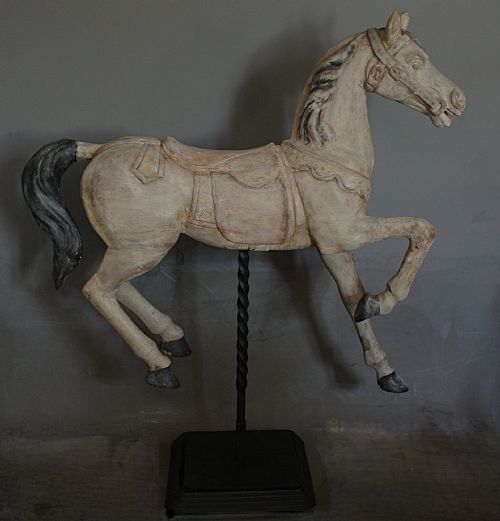
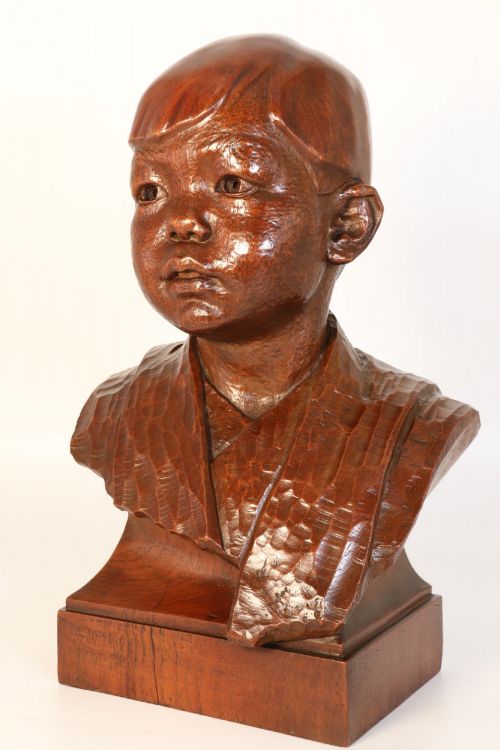
The selection ranges from medieval oak saints and eighteenth-century putti to twentieth-century decoy ducks, carved horses, and figurative studies. Many pieces emerge from specific regional traditions, taking the form of Chinese temple figures, Burmese Buddhas, or European folk carvings.
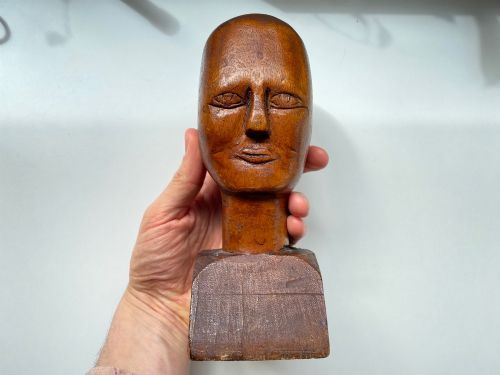
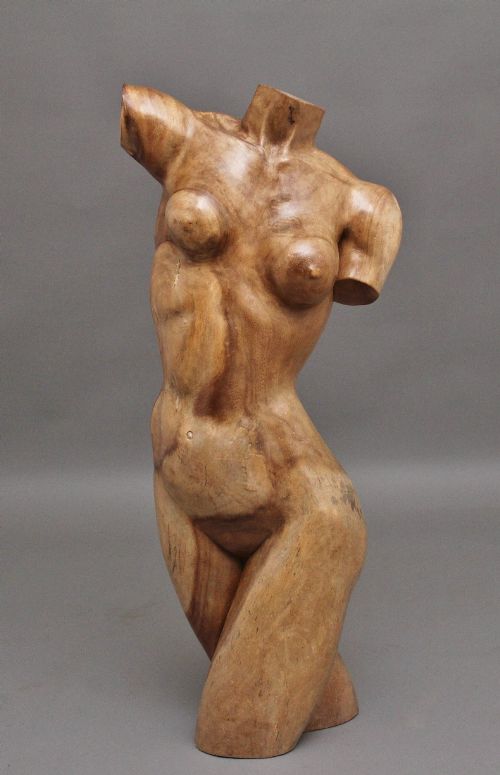
Domestic and decorative objects sit alongside monumental statues and life-size busts, offering varied scales for interior spaces. Buyers frequently meet twentieth-century vernacular items, such as milliner heads and carousel fragments, alongside older ecclesiastical and folk art works.
Materials and techniques
Makers utilised solid timbers such as oak, mahogany, walnut, pine, and limewood, selecting specific woods for their grain and workability. Carvers shaped these materials with hand tools, creating detailed textures that define the surface of each figure.
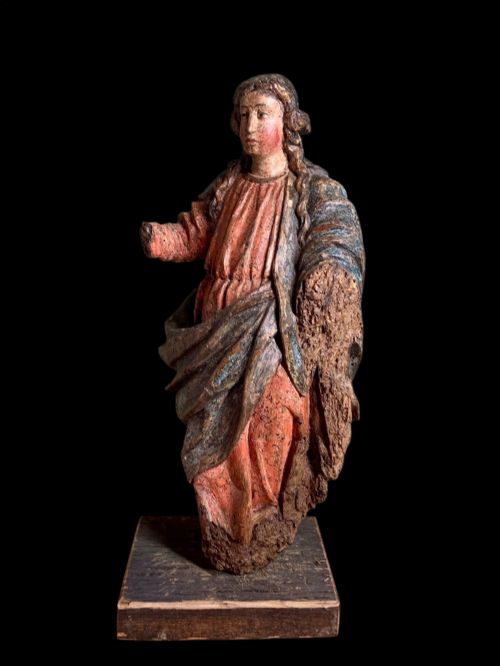
Many works retain their original paint, polychrome decoration, or gilt layers applied directly to the timber. Combinations of wood with iron, bone, or ivory appear in specific sculptural studies and decorative objects.
Early Wooden Sculpture Retail Price Guide 2026
Typical asking prices for early wooden sculpture among the pieces listed under this phrase on Sellingantiques today, from the lower quarter to the upper quarter. They describe what is for sale here now, not the wider market.
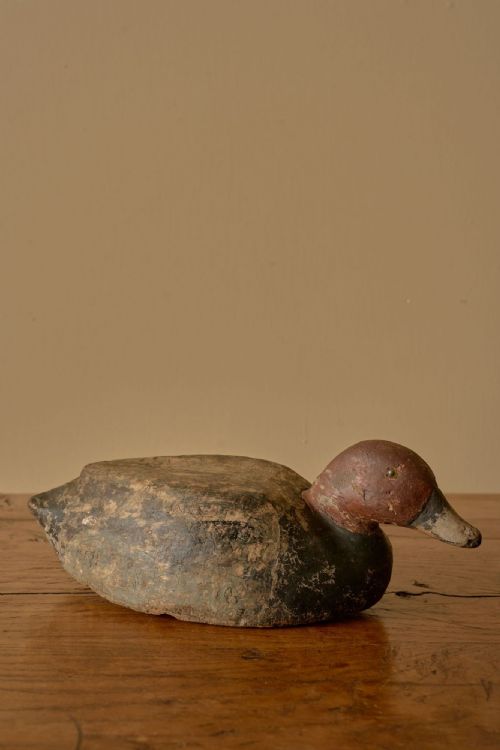
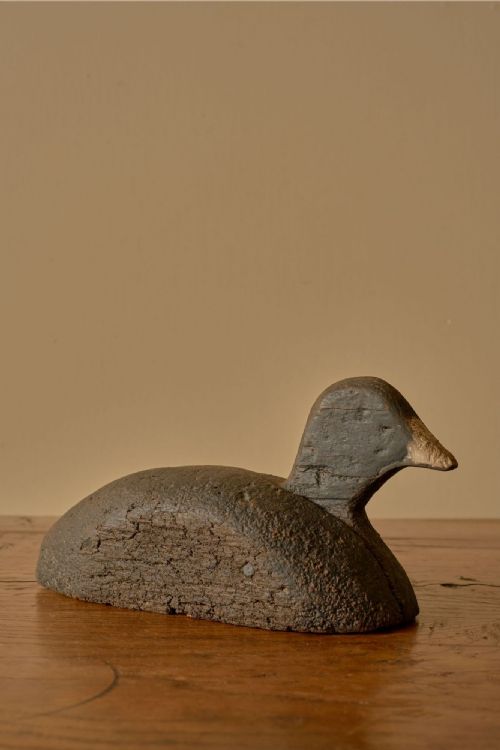
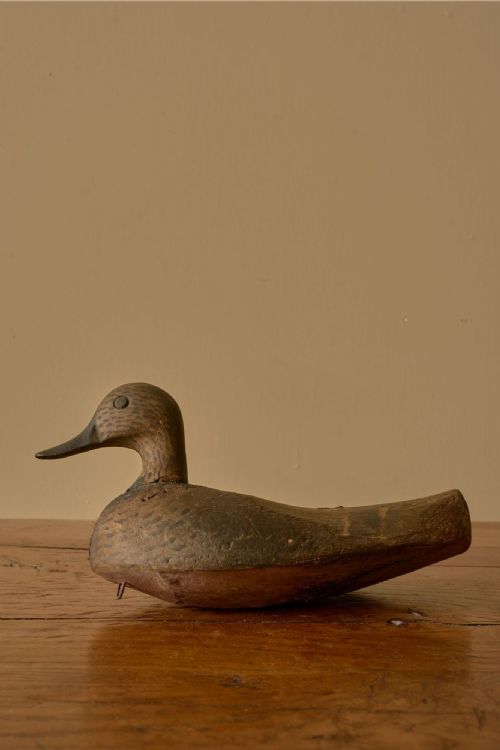
Several early wooden sculptures take the form of remarkably lifelike decoy ducks, originally carved to sit quietly on cold water.
What separates the best from the rest
Quality rests in the expressive power of the carving and the preservation of the original surface, whether bare timber or layered polychrome paint. Sculptures that retain their early tool marks and uncompromised proportions demonstrate superior artistic intent.
The distinction between standard utility items and exceptional works lies in the depth of anatomical understanding and the vitality of the form. Finer pieces show deliberate restraint and confident execution by skilled hands, whereas lesser examples display rigid or tentative handling.
George Henry Paulin RBS·Simon Troger·Franz Keller·Hans Müller
The Early Wooden Sculpture Glossary
- Polychrome paint
- Decoration applied using multiple colours to the surface of a carved wooden figure. This finish often survives in fragments, revealing earlier layers of historical pigment.
- Ecclesiastical carving
- Sculptural work created for religious spaces, typically depicting saints, angels, or biblical figures. These pieces originate from churches and monastic settings.
- Écorché
- An anatomical study showing a human or animal figure without skin to display the underlying musculature. Artists utilised these models for instructional and observational purposes.
- Putto
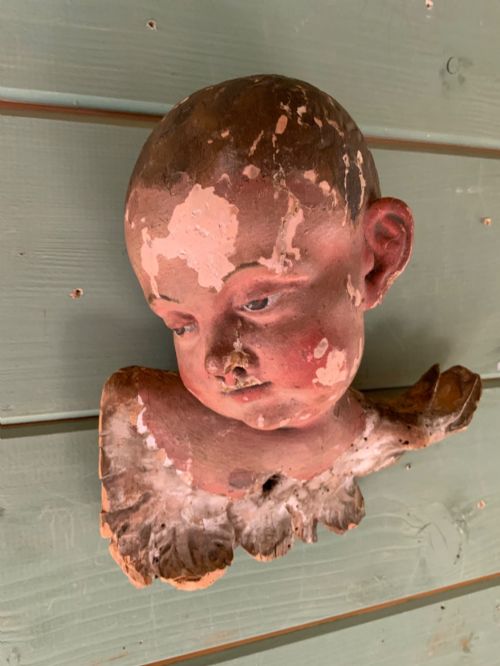
- A representation of a chubby male child, often winged, appearing frequently in baroque and classical art. Sculptors carved these figures to add movement and narrative depth.
- Folk art
- Decorative or utilitarian objects created within a community tradition rather than by academic standards. These pieces rely on regional styles and traditional materials.
Early Wooden Sculpture: Frequently Asked Questions
How do I care for early wooden sculpture?
Keep wooden pieces away from direct heat sources and sudden humidity changes to prevent the timber from splitting or warping. Dust gently with a dry, soft cloth without applying modern liquid polishes.
Allow the natural patina to remain untouched rather than attempting to strip or refinish the surface. Stable indoor environments preserve both the bare wood and any surviving historic paint layers.
What is the difference between folk art and ecclesiastical carvings?
Ecclesiastical carvings were produced for religious worship within churches, monasteries, or shrines, often following formal iconographic traditions. They typically depict saints, Madonnas, or biblical figures with formal stylistic restraint.
Folk art sculptures arise from vernacular traditions and everyday culture, encompassing items like decoy ducks, trade signs, and carousel fragments. These pieces emphasise local character and practical utility over formal religious doctrine.
How can I tell the age of a carved wooden object?
Examine the tool marks left on the timber, as hand-carved pieces display the irregularities of gouges and chisels used before mechanized production. The natural oxidation and shrinkage of the wood over centuries also create distinct surface textures.
Compare the style of dress, posture, and ornamentation to known historical periods recorded in the piece. Original paint layers, where present, offer further clues through their composition and pigment wear.
Where should I display large wooden sculptures at home?
Place monumental figures, pedestals, or architectural models against sturdy structural walls or on reinforced floors to support their weight. Ensure they sit away from open fireplaces and direct sunlight to protect the material integrity.
Pair life-size torsos or animal figures with simple backdrops that allow the carved form to stand out clearly. Combining structural stands with smaller decorative objects creates balanced focal points within a room.