



Early Wooden Cabinet
An early wooden cabinet brings warmth and utility to a room, offering practical storage through centuries of craftsmanship.
Early Wooden Cabinet
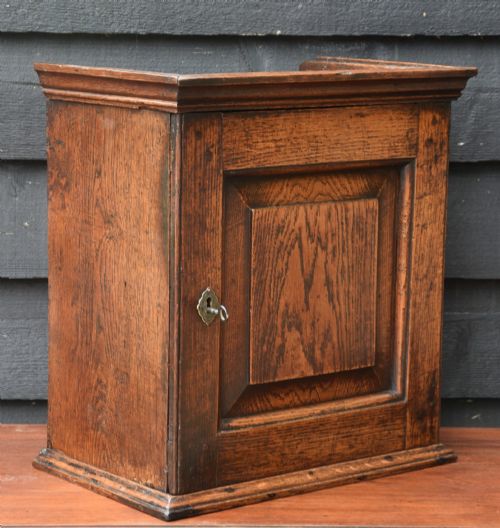
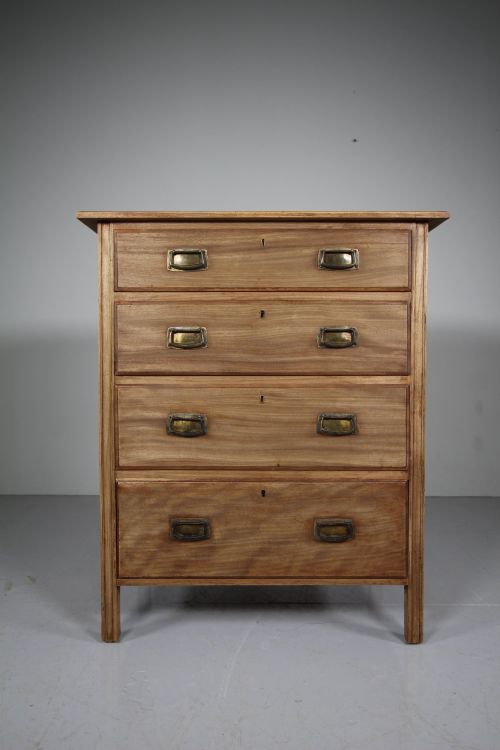
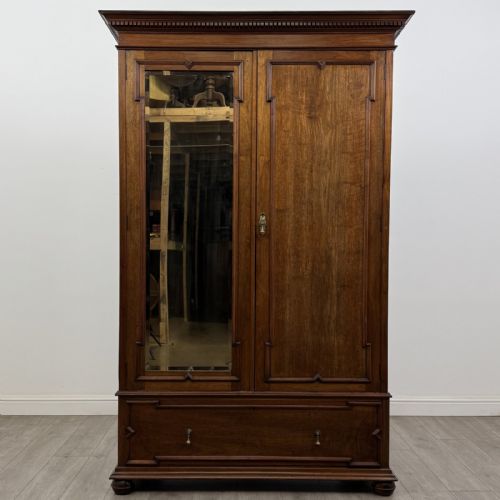
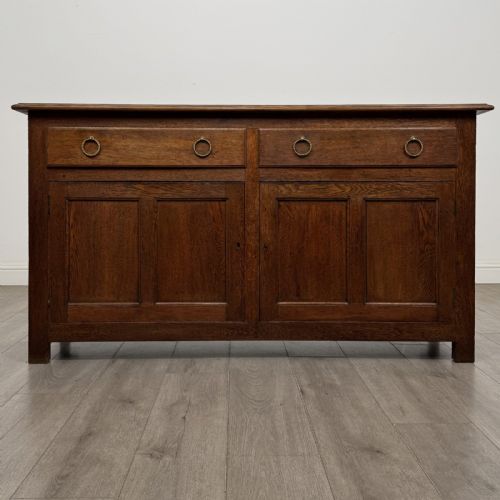
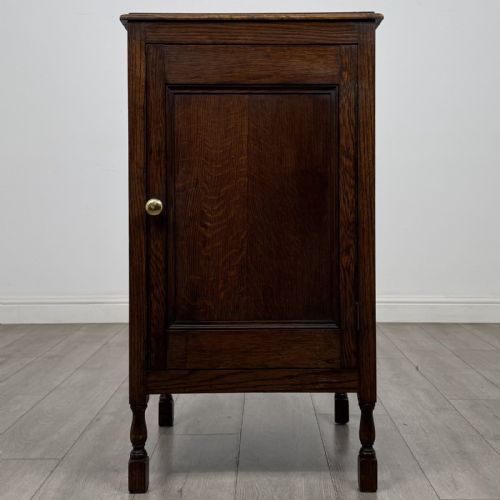
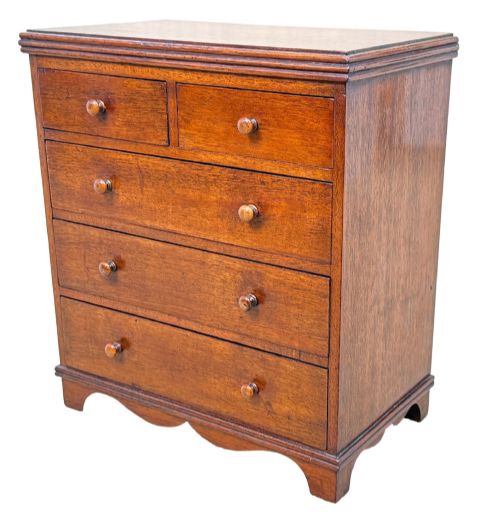
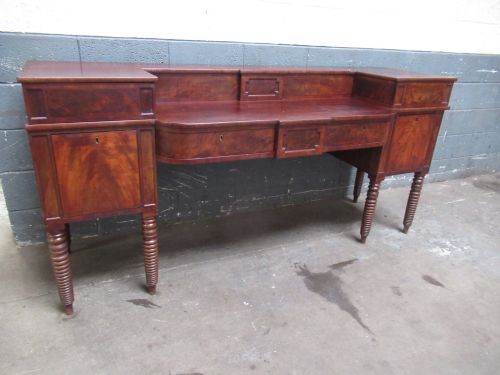
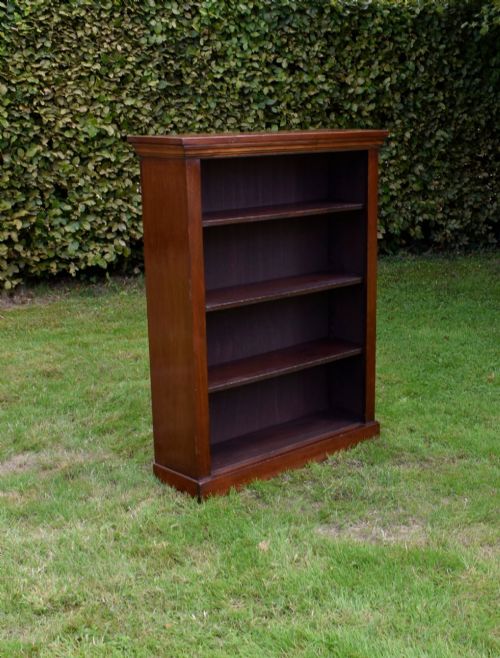
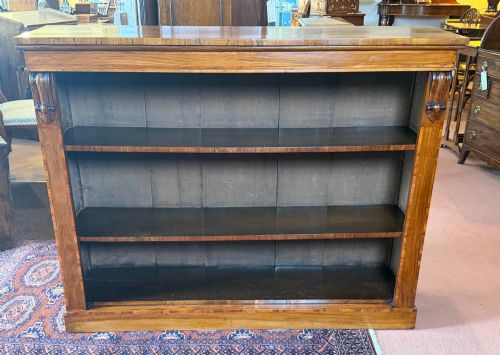
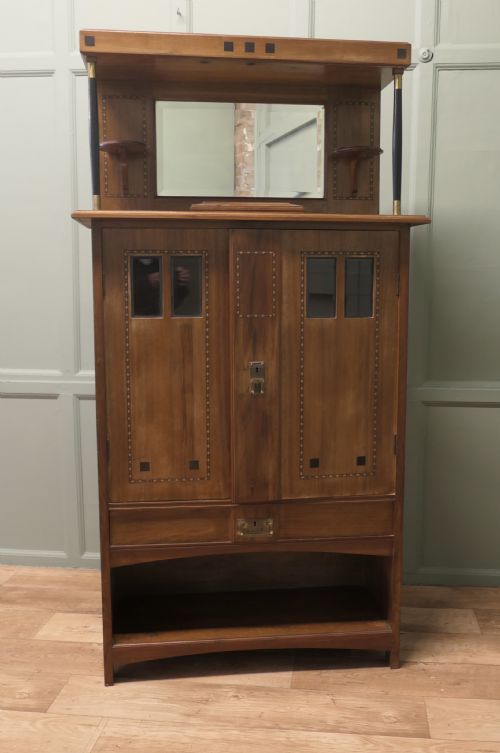
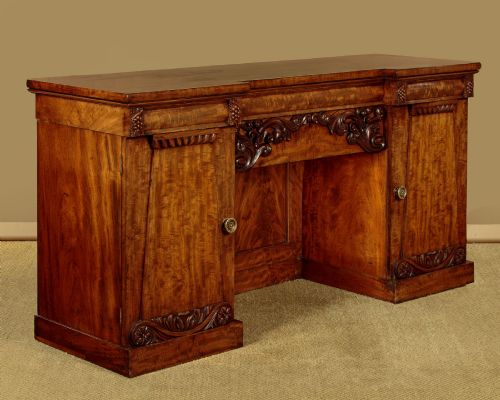
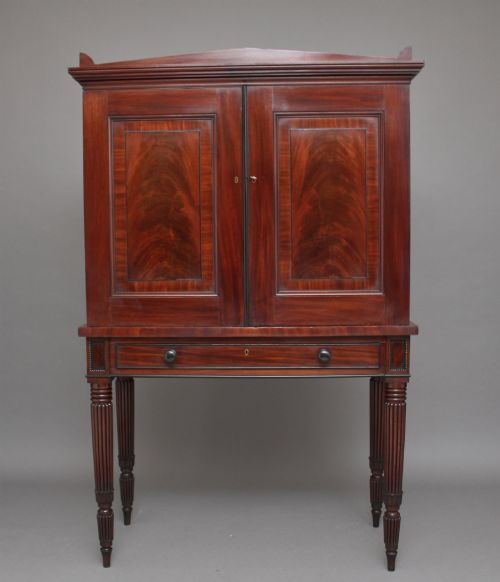
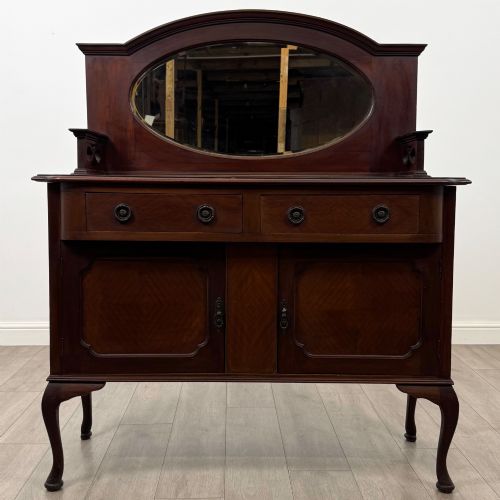
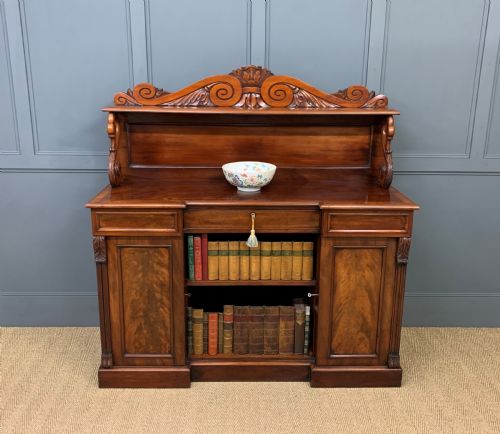
An early wooden cabinet spans multiple centuries and functional forms, including spice cupboards, chests of drawers, bookcases, sideboards, and display cabinets. Buyers seeking an early wooden cabinet encounter pieces originating from the eighteenth, nineteenth, and early twentieth centuries, reflecting diverse regional domestic traditions.
Materials and construction methods
Makers relied primarily on native and imported timbers such as oak, mahogany, walnut, and pine, often enhancing surfaces with flame mahogany veneers or crossbanding. Structural integrity relied on traditional joinery, while glass panels, brass handles, and iron hinges completed the fittings.
Finishes ranged from simple wax on country pine to polished French polish on formal mahogany and walnut pieces. Hand-carved details, painted surfaces, and tambour fronts show the varied workshop techniques applied across different eras.
Early Wooden Cabinet Retail Price Guide 2026
Typical asking prices for early wooden cabinet among the pieces listed under this phrase on Sellingantiques today, from the lower quarter to the upper quarter. They describe what is for sale here now, not the wider market.
Listings feature oak, mahogany, walnut, pine, brass, glass, and iron across centuries ranging from the eighteenth to the early twentieth.
Evaluating craftsmanship and condition
Quality depends upon the selection of timber and the precision of the joinery, such as hand-cut dovetails in drawer construction. Superior examples retain their original surface patination, hardware, and structural stability without intrusive modern replacements.
Finer pieces display balanced proportions and careful matching of grain patterns, particularly on veneered drawer fronts and cabinet doors. Utility items from commercial or school settings derive their appeal from honest wear and robust original construction.
The Early Wooden Cabinet Glossary
- Chest of drawers
- A piece of furniture consisting of multiple parallel drawers used for storage. These form a major part of early domestic storage selections.
- Spice cupboard
- A small wall-mounted or table-top cabinet featuring internal small drawers for keeping spices and valuables. They frequently date to the eighteenth century in solid oak.
- Linen press
- A tall cupboard featuring upper sliding trays or shelves for textiles and lower drawers for bulkier items. They are commonly constructed in figured mahogany with panelled doors.
- Tambour
- A flexible sliding shutter formed from narrow strips of wood glued to canvas or leather backing. This mechanism appears on office and utility cabinets from the early twentieth century.
- Crossbanding
- A decorative border of veneer laid around the perimeter of a drawer front or tabletop so the grain runs perpendicular to the main panel. It signals careful cabinet-making on walnut and mahogany pieces.
Early Wooden Cabinet: Frequently Asked Questions
What defines an early wooden cabinet?
An early wooden cabinet is a storage piece constructed primarily from timbers like oak, mahogany, walnut, or pine, dating from the eighteenth century up to the early twentieth century. These items include specialised forms like spice cupboards, bookcases, and linen presses.
They reflect the domestic and working needs of past centuries, utilising traditional joinery and hand-finishing techniques specific to their period of origin.
How do I date an antique cabinet?
Dating relies on examining the construction methods, such as hand-cut dovetails, timber choices, and secondary woods used inside drawers. Stylistic cues like Queen Anne cabriole legs, Georgian bracket feet, or Edwardian mirror backs also help place the piece in its era.
Hardware styles, including brass drop handles and escutcheons, offer further clues, though locks and handles can sometimes be later replacements.
Where were these cabinets used originally?
These cabinets served various roles across the home, office, and institutional spaces, from country house kitchens to grand Georgian libraries. Smaller pieces like spice cupboards hung in domestic kitchens, while linen presses stood in bedrooms for textile storage.
Commercial and school pieces, such as pigeon holes and library cabinets, fulfilled administrative roles in early twentieth-century workplaces.
How do I care for wooden cabinets?
Preserve antique wood by keeping pieces away from direct heat sources and strong sunlight, which can dry out the timber and fade the finish. Regular dusting with a soft, dry cloth is usually sufficient for maintenance.
Apply a traditional beeswax polish occasionally to nourish the grain and protect the surface patination without building up heavy chemical layers.