
Early Walnut Furniture
Early walnut furniture brings together rich figured timbers and restrained forms from the seventeenth and eighteenth centuries to anchor a room.
Early Walnut Furniture
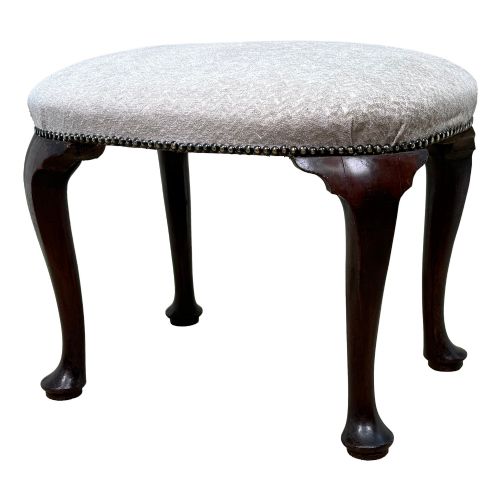
Early walnut furniture spans foundational pieces made during the seventeenth and eighteenth centuries, including chests of drawers, bureaux, desks, and cabinets on stands. These items originate predominantly from English, French, and Austrian workshops working under William and Mary, Queen Anne, and early Georgian influences.
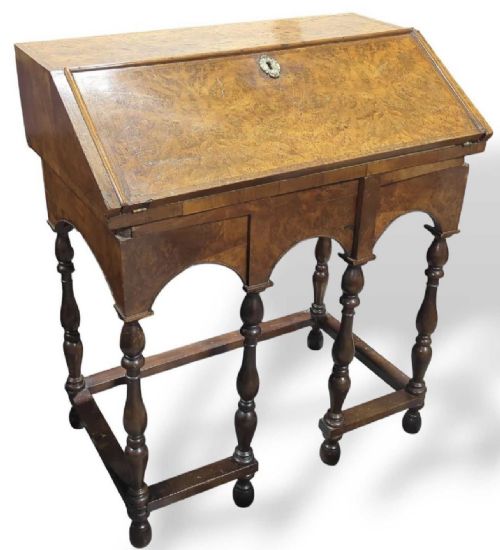
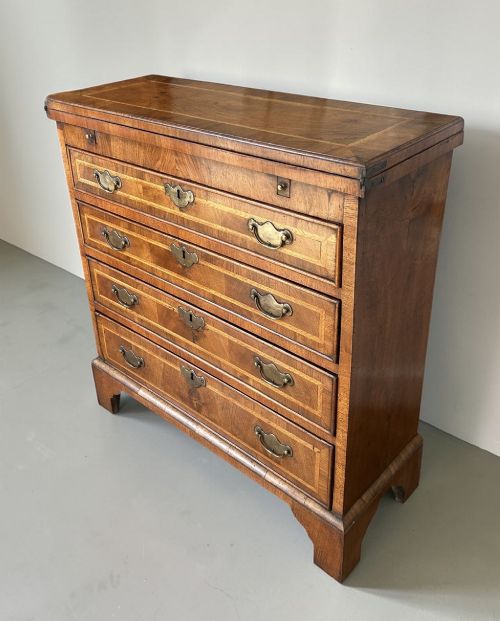
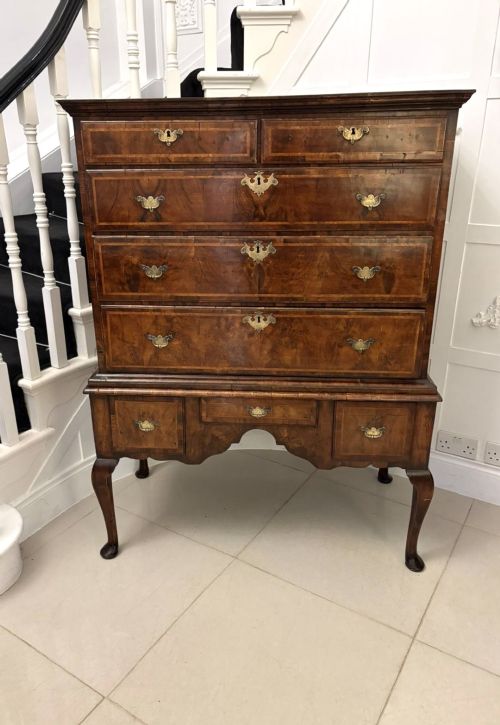
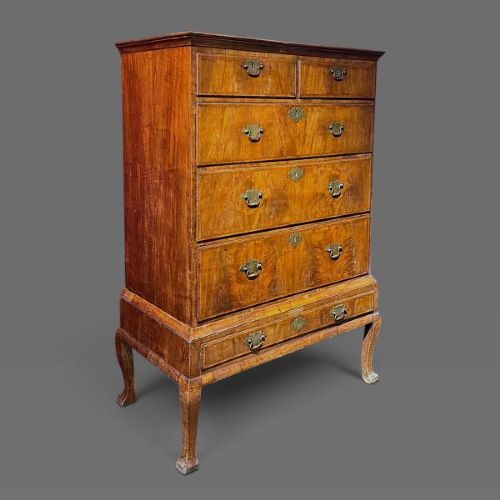
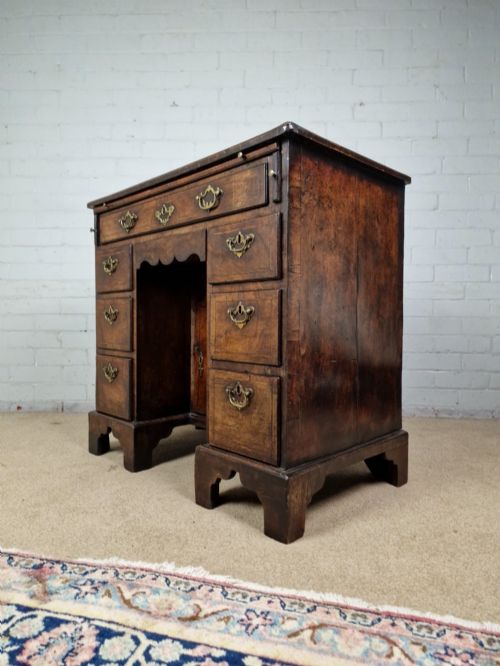
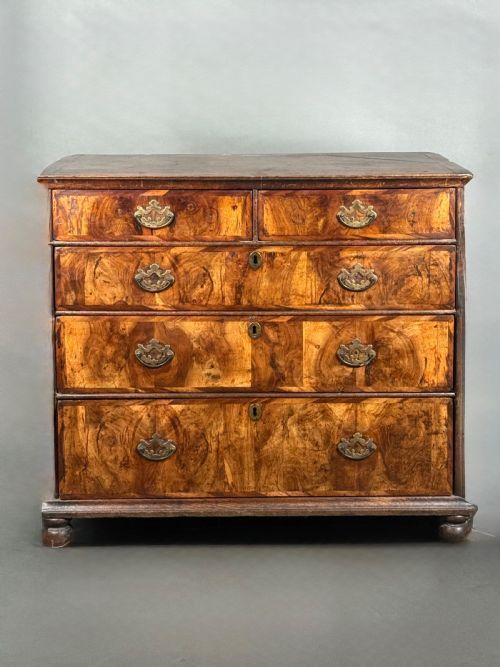
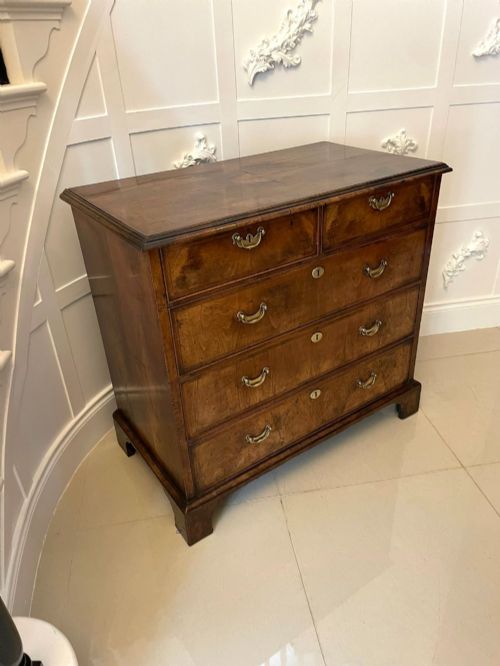
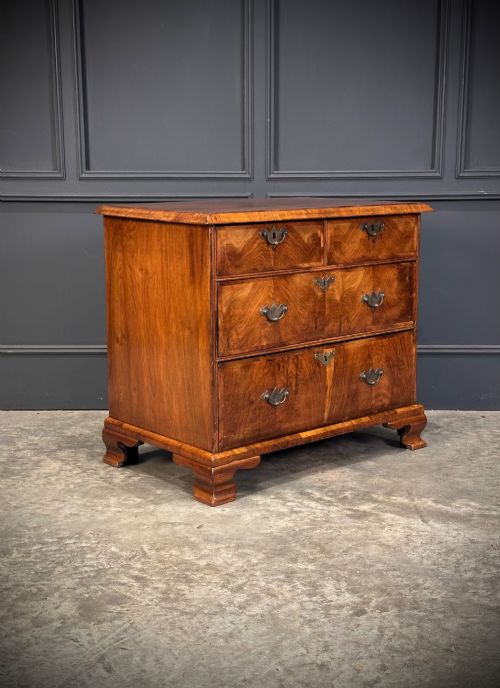
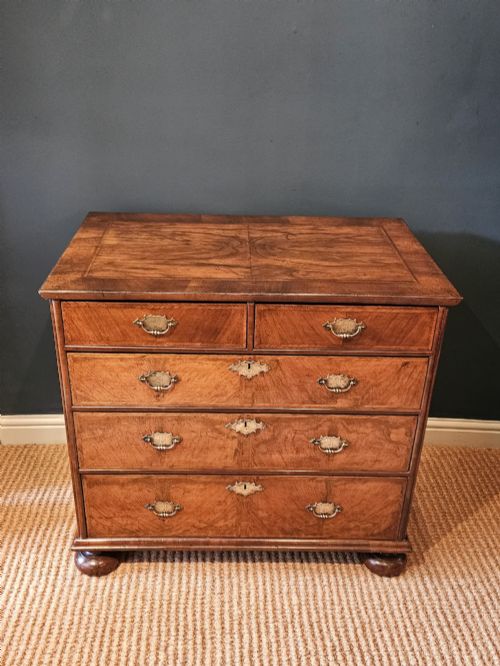
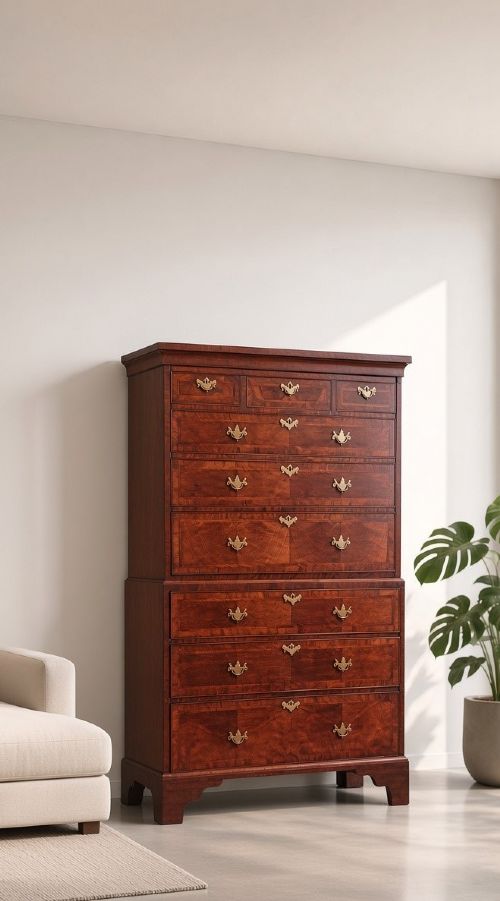
Buyers seeking early walnut furniture will most commonly encounter chests of drawers, kneehole desks, and bureau bookcases dating from the eighteenth century. These domestic forms utilise figured timber veneers and display characteristic regional joinery from their respective periods.
Materials and Technique
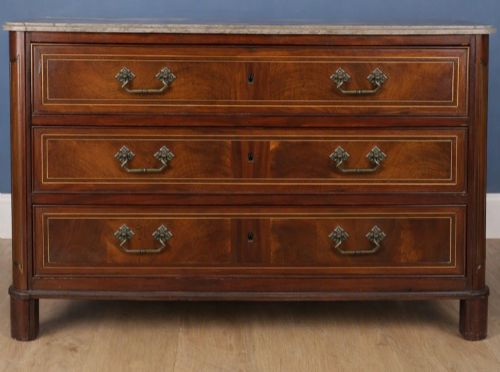
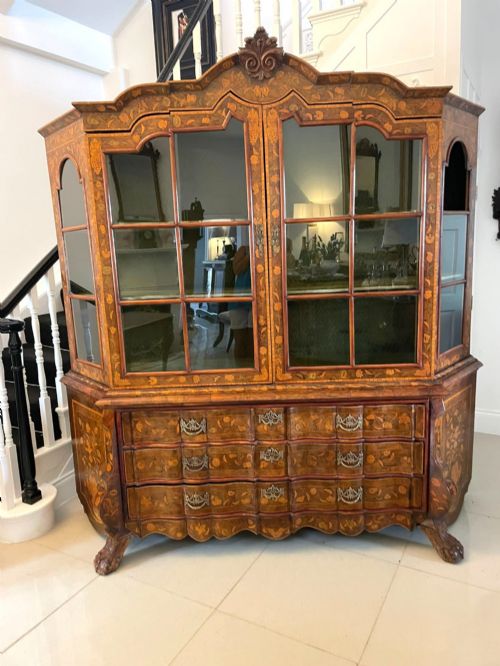
Cabinetmakers constructed these pieces using solid walnut and burr walnut veneers laid over secondary woods such as oak and fruitwood. Crossbanding, herringbone banding, and marquetry inlays were applied to drawer fronts and cabinet doors to create geometric and floral patterns.
Structural integrity relied on dovetailed drawer construction, featherbanding, and traditional mortise and tenon joints. Hardware such as brass drop handles, escutcheons, and ironwork were fitted to secure drawers and doors.
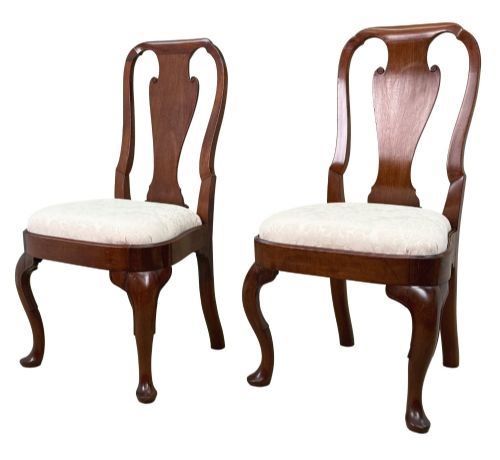
Early walnut chairs often survive with secret compartments hidden beneath sliding panels, designed to guard letters and small coins from prying eyes.
Craftsmanship and Surface
Quality rests upon the selection of timber, particularly the depth of figure in the burr walnut veneers and the crispness of any crossbanding. Superior examples retain matching veneer patterns across drawer fronts rather than mismatched sections.
The condition of the surface finish and the preservation of original mounts distinguish finer items from heavily restored pieces. Original ironwork, brassware, and unaltered patination contribute significantly to the standing of an individual piece.
Wylie and Lochhead Glasgow·August Ungethüm Vienna·Howard and Sons
The Early Walnut Furniture Glossary
- Crossbanding
- A narrow strip of veneer laid perpendicular to the grain of the main surface, often used to frame drawer fronts.
- Burr walnut
- Timber taken from the growth excrescences of walnut trees, yielding intricate swirling patterns highly prized for cabinet veneers.
- Herringbone banding
- Small strips of veneer laid in alternating diagonal lines to form a distinct zigzag pattern.
- Escutcheon
- A protective plate surrounding a keyhole, commonly cast in brass.
- Patina
- The surface sheen and colour acquired by wood through age, handling, and light exposure over centuries.
Early Walnut Furniture: Frequently Asked Questions
Where should I place early walnut furniture?
These pieces suit reception rooms, studies, and hallways where their rich timber tones can contrast against neutral walls. Bureaux and kneehole desks function well as working writing surfaces when placed in well-lit areas.
Keep pieces away from direct sunlight and heat sources to prevent the burr walnut veneers from drying out or splitting. Stable room temperatures preserve the finish and structural joinery over time.
What is a bureau bookcase?
A bureau bookcase is a tall combination piece featuring a sloping desk flap that opens to reveal interior pigeonholes and small drawers. The upper section contains shelving enclosed by panelled or glazed doors.
This form provided a complete writing and storage station for domestic use during the eighteenth century. They remain practical items for organising papers whilst displaying books or ceramics.
How do I care for antique walnut?
Dust the surfaces regularly with a soft, dry cloth to prevent dirt from accumulating in the grain and carved details. Avoid modern silicone polishes, which can build up and soften the historic polish.
Apply a traditional beeswax sparingly when the timber appears dry to nourish the surface and maintain the patina. Maintaining consistent indoor humidity protects both the solid timber and the applied veneers.