

Early Walnut Chest
An early walnut chest brings profound grain patterns and domestic warmth to a room, holding centuries of craftsmanship in its drawers.
Early Walnut Chest
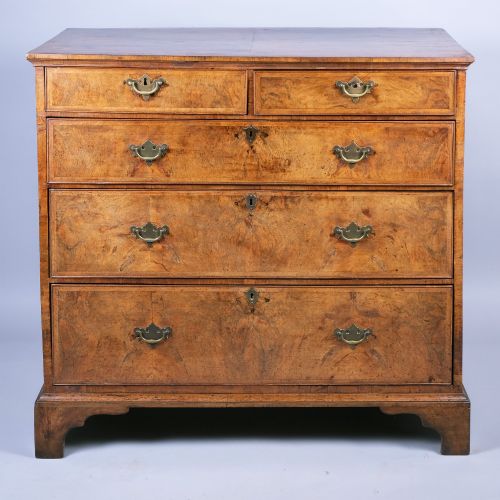
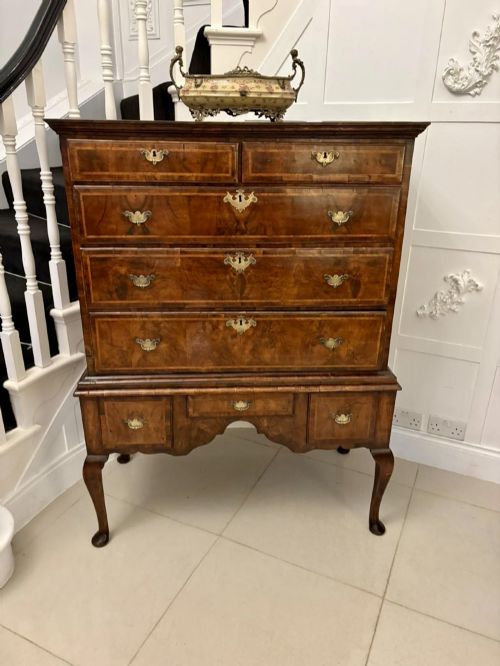
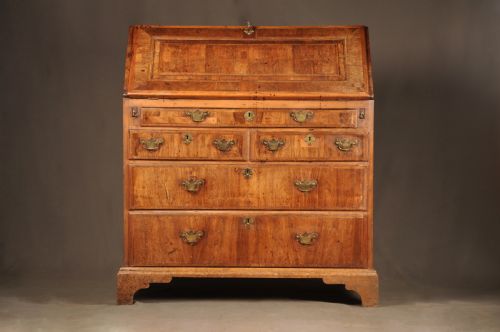
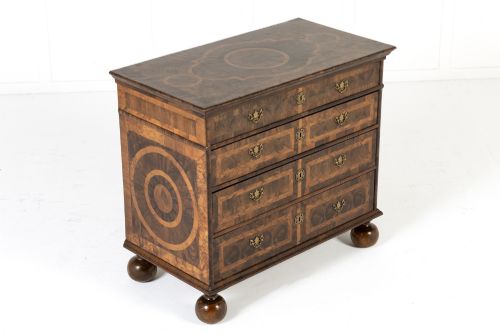
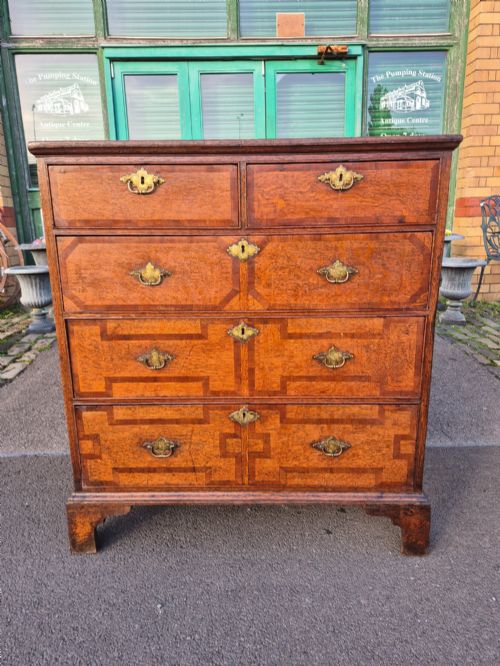
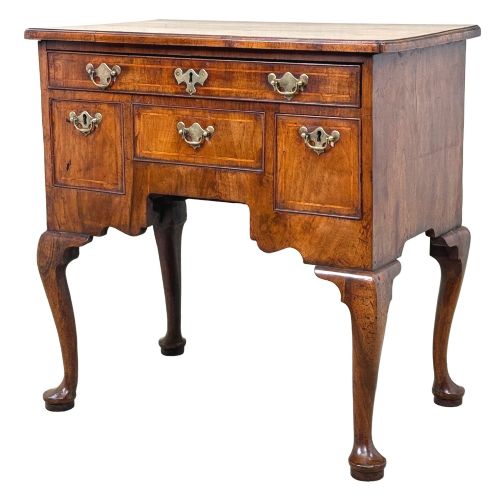
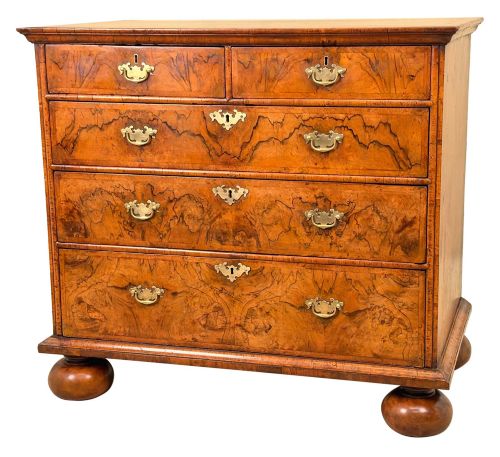
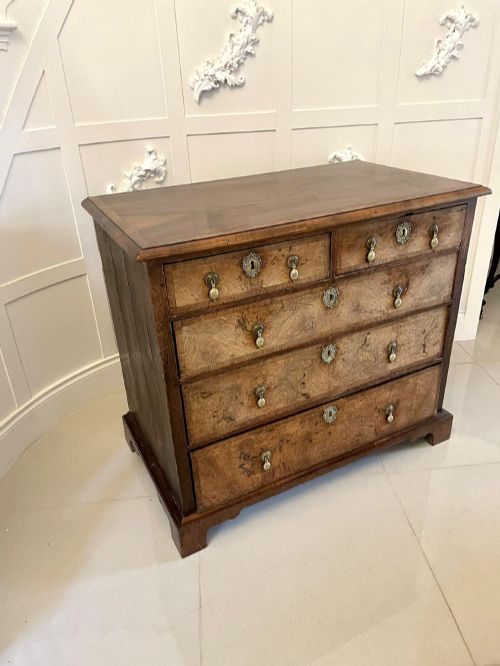
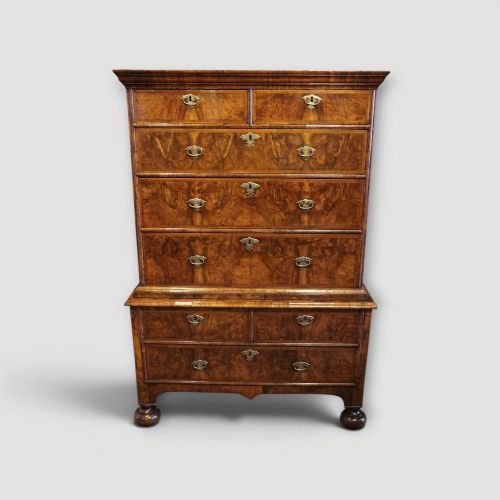
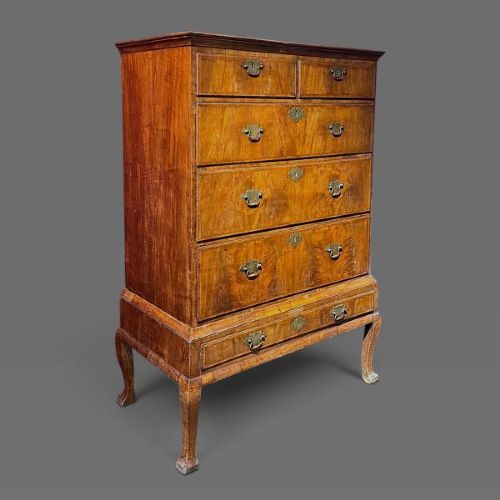
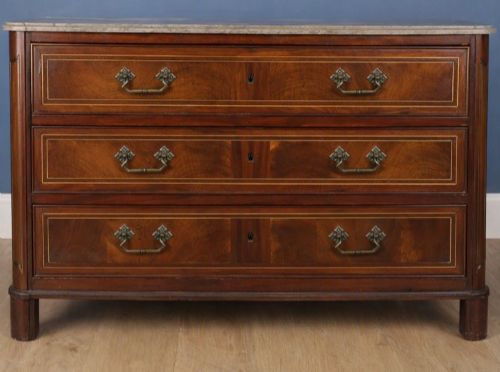
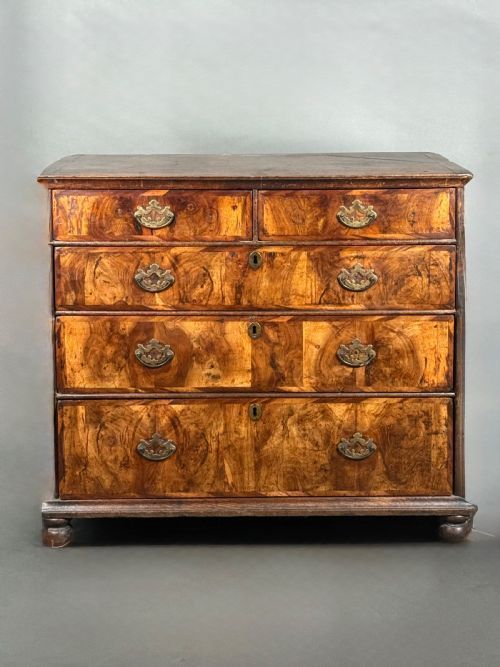
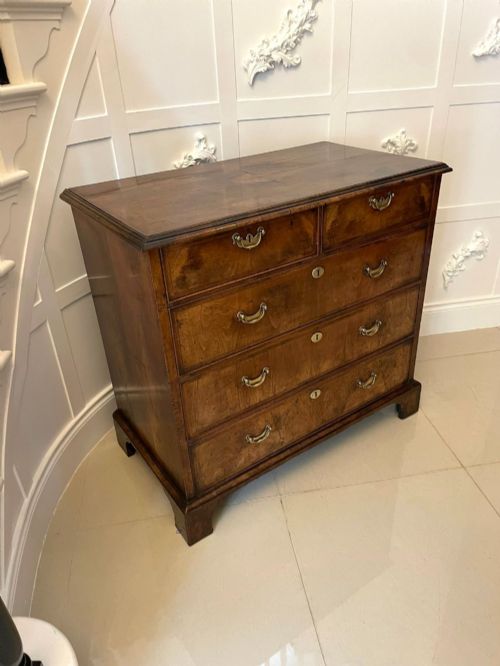
An early walnut chest is a substantial storage piece originating principally from the seventeenth and eighteenth centuries, taking the form of chests of drawers, tallboys, and chests on stands. These pieces reflect the transition from heavier oak furniture to lighter, highly decorative cabinet work during the reigns of Queen Anne and the early Georges. Buyers searching for an early walnut chest will encounter masterworks showing Queen Anne, George I, and George II styling alongside Dutch and French provincial variants.
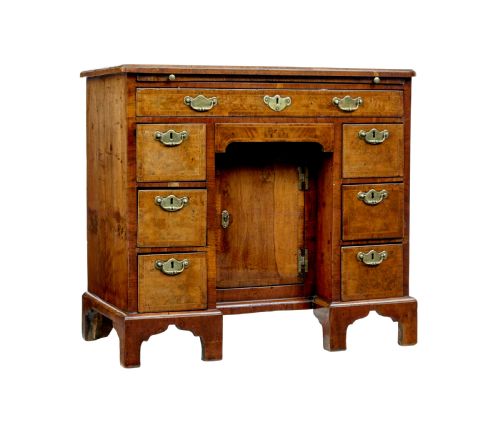
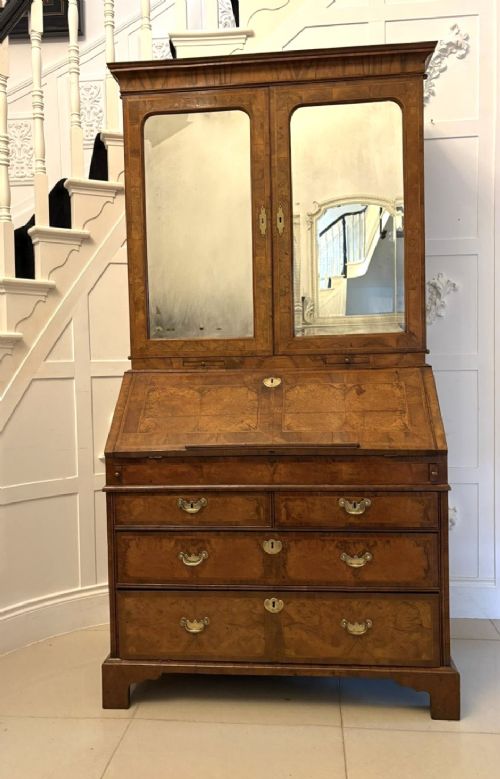
The dominant forms on this page include simple chests of drawers, complex bureau bookcases, and raised chests on stands. Many pieces incorporate specialised writing compartments, sliding top panels, or fitted desk interiors designed for private correspondence. Proportions remain domestic yet commanding, intended for principal chambers and parlours.
How they were made
Cabinet makers constructed carcass frames primarily in oak or pine, applying rich veneers of figured walnut, burr walnut, or oyster pieces to the exterior surfaces. Crossbanding and herringbone stringing in contrasting timbers framed the drawer fronts and top panels to emphasise the natural grain. Workshops utilised solid walnut for mouldings, drawer linings, and structural supports while preserving the timber's warmth through wax polishing.
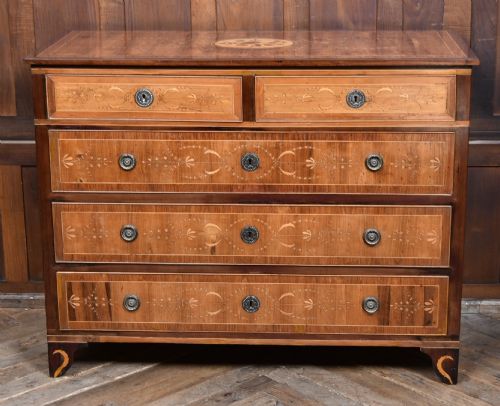
Master artisans employed dovetail joints for drawer construction and delicate ironwork or brass hardware for handles and escutcheons. Marquetry and oyster veneers required patient hand-cutting and precise gluing to curved and flat surfaces alike. Secondary woods such as fruitwood appear on continental commodes and regional English pieces.
Early Walnut Chest Retail Price Guide 2026
Typical asking prices for early walnut chest among the pieces listed under this phrase on Sellingantiques today, from the lower quarter to the upper quarter. They describe what is for sale here now, not the wider market.
Listings feature walnut, oak, fruitwood, and marble materials across eighteenth and nineteenth-century forms.
What varies in quality
The visual hierarchy of an early walnut chest rests upon the selection and matching of the veneer. Pieces utilising highly figured burr walnut or symmetrical book-matched panels command attention through dramatic, swirling grain patterns. Lesser examples rely on plain timber or suffer from heavy past restoration that masks the original texture of the wood.
Integrity of the original surface patina and hardware distinguishes superior examples from heavily altered pieces. Retaining period brass handles, escutcheons, and structural ironwork preserves the historical authenticity of the cabinet. Subtle details like fine herringbone stringing and crisp edge mouldings indicate the standard of the original workshop.
The Early Walnut Chest Glossary
- Burr walnut
- A prized veneer taken from the gnarled growths of a walnut tree, producing intricate, swirling knot patterns. This material was utilised on high-status cabinet furniture for its decorative impact.
- Chest on stand
- A two-part form consisting of an upper chest section raised on a separate frame with legs. This configuration lightened the visual weight of tall storage furniture.
- Crossbanding
- A narrow strip of veneer laid around the borders of a drawer front or top panel with the grain running perpendicular to the central field. It provides a neat visual frame to figured walnut surfaces.
- Escritoire
- A writing cabinet featuring a fall-front flap that opens to reveal a fitted interior of small drawers and pigeonholes. These items combined personal correspondence storage with domestic utility.
- Oyster-veneering
- A technique of slicing small branches transversely to produce circular or oval motifs resembling oyster shells. These patterns were arranged closely across the surface of late seventeenth-century chests.
Early Walnut Chest: Frequently Asked Questions
What is an early walnut chest?
An early walnut chest is a wooden storage unit built primarily during the seventeenth and eighteenth centuries, using walnut veneers over an oak or pine carcass. These items served domestic storage needs in wealthy households.
Craftsmen often added decorative crossbanding, herringbone inlay, and brass hardware to enhance the appearance of the figured timber.
How do I tell Queen Anne from Georgian walnut pieces?
Queen Anne walnut pieces typically date around the turn of the eighteenth century and often feature subtle cabriole legs or herringbone banding. Georgian pieces extend this tradition into the reigns of George I and George II with increasingly structured proportions.
Both styles utilise rich burr and figured walnut veneers, though later Georgian designs occasionally introduce more pronounced architectural cornices and bracket feet.
How were these chests used originally?
These chests functioned as secure containers for clothing, household linens, and valuable personal possessions in private chambers. Many incorporated locking mechanisms to protect important documents.
Variants equipped with desks or sliding panels allowed owners to write letters and store writing materials within the same cabinet.
How do I live with an early walnut chest?
Living with an early walnut chest requires placing the piece away from direct sunlight and heat sources to prevent the delicate veneer from drying out or splitting. Maintaining stable room humidity preserves the antique wood.
Regular polishing with traditional beeswax helps nourish the surface and maintains the soft historical sheen of the walnut.