

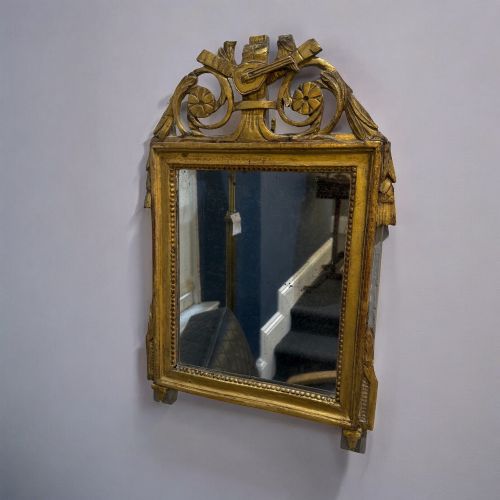
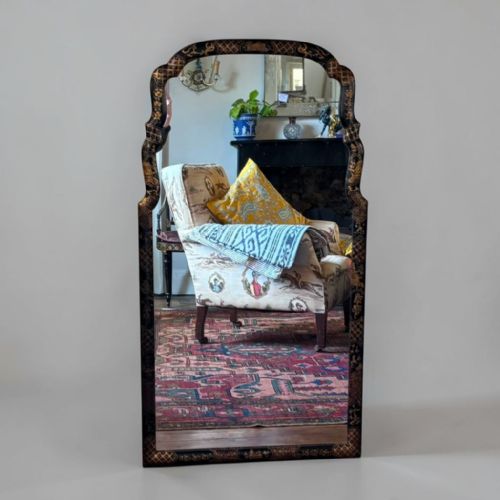
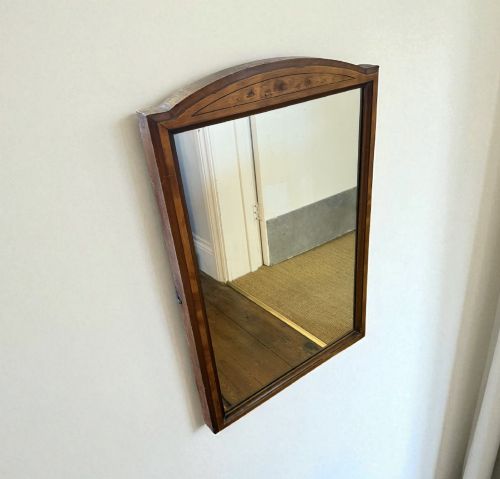
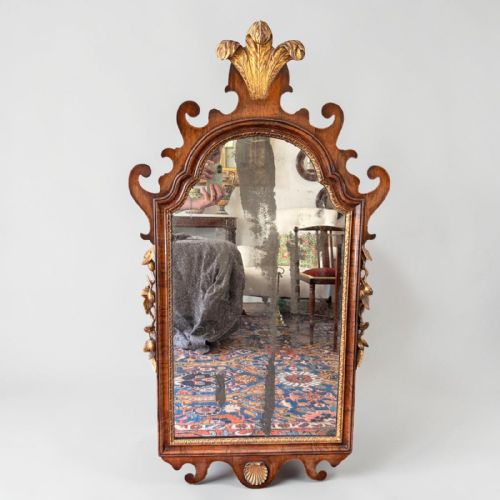

Early Wall Mirror
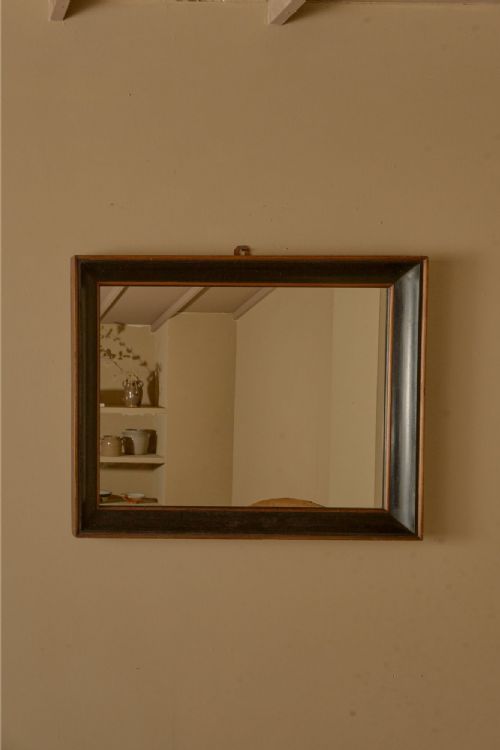
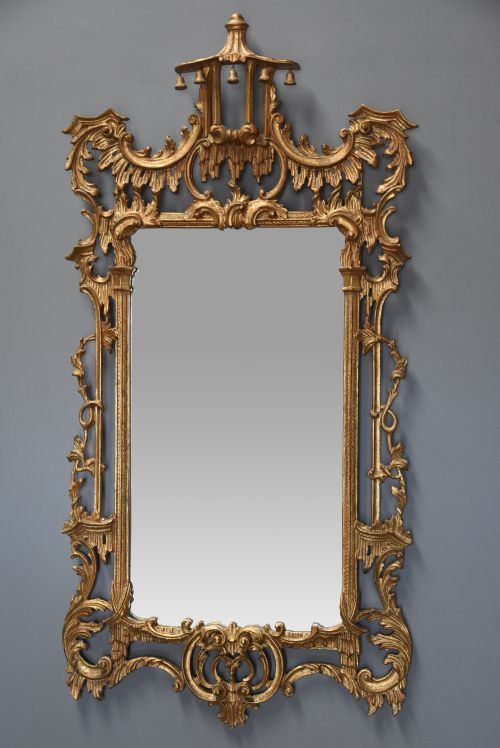
An early wall mirror brings historical depth and reflective light to a room, ranging from simple oak frames to giltwood showpieces.
Early Wall Mirror
An early wall mirror serves as both a functional glass plate and a substantial decorative focus within a room, drawing on centuries of design tradition. When searching for an early wall mirror, buyers encounter a diverse selection spanning from the eighteenth century through to the early twentieth century.
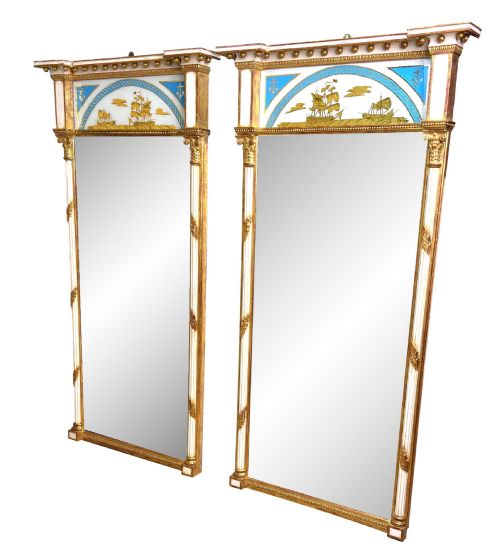
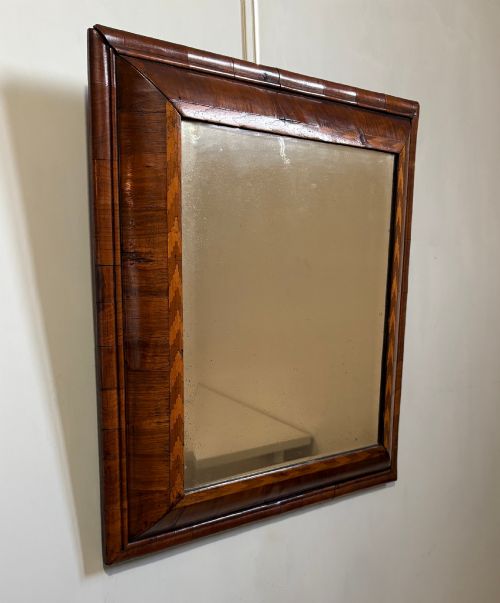
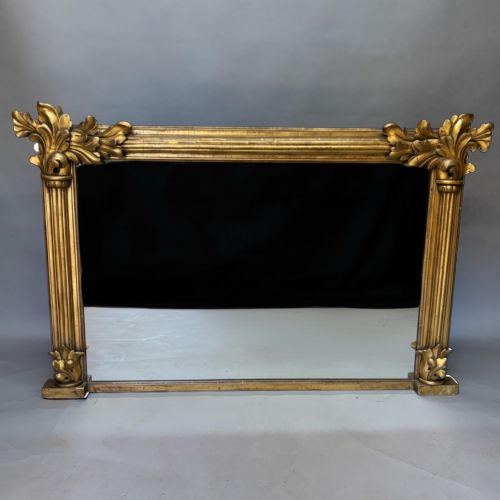
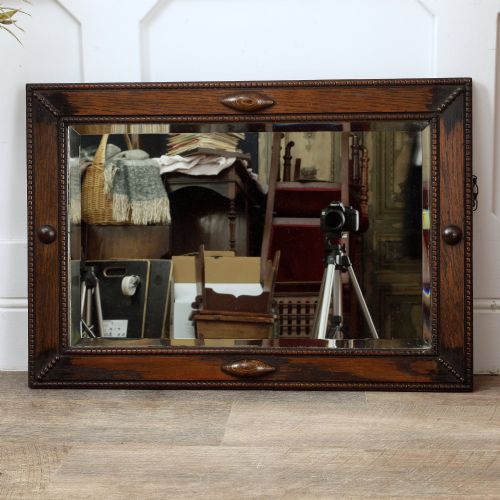
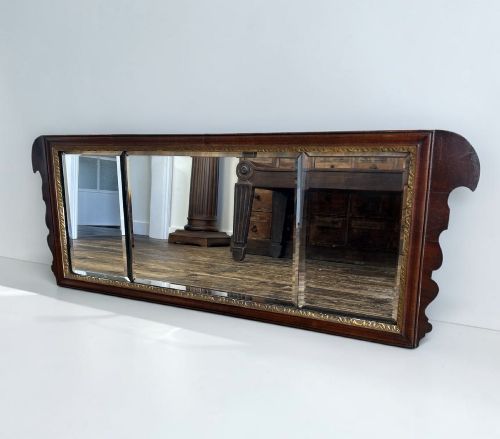
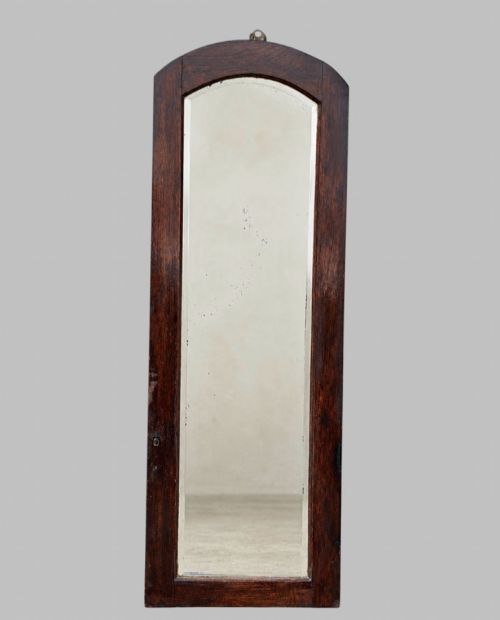
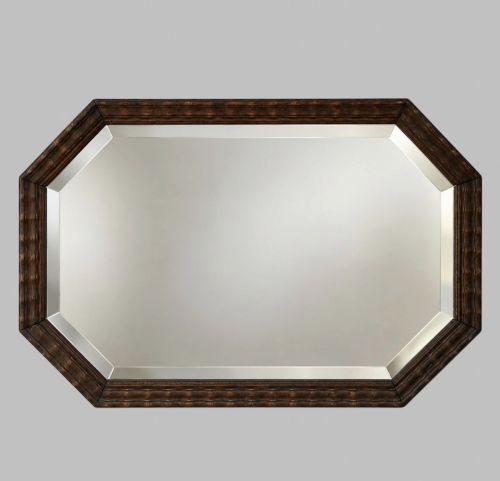
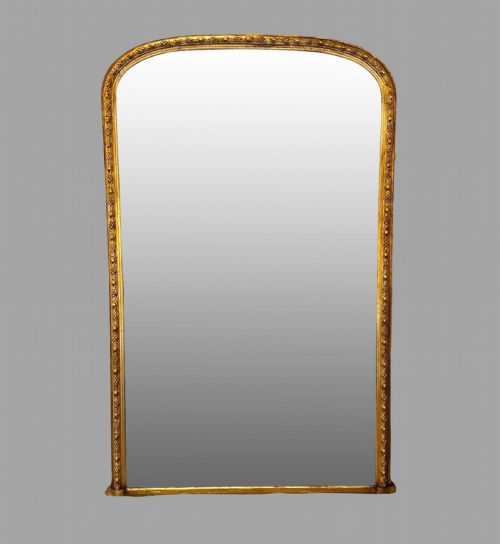
The pieces on this page appear in various forms including grand overmantel mirrors, tall pier mirrors, circular convex shapes, and smaller wall-hanging items. Walnut, oak, and giltwood frames dominate the selection, reflecting the prevailing interior tastes of Georgian, Regency, Victorian, and Edwardian periods.
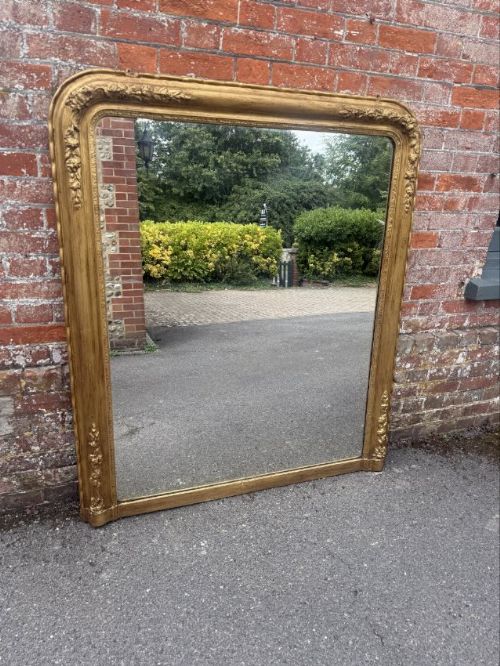
Buyers frequently meet nineteenth-century giltwood pieces alongside twentieth-century interpretations of earlier styles like Queen Anne and Chinoiserie. These items range from plain wooden domestic mirrors to elaborate French Empire trumeaus and Italian tray mirrors.
Materials and construction methods
Craftsmen utilised traditional cabinetmaking woods such as walnut, oak, mahogany, and maple to build the foundational structure of the frames. Carved gesso and applied gold leaf provided the opulent surface finishes seen on Regency and revival giltwood examples.
Mirror glass plates were produced using early techniques, resulting in characteristics like foxed plates or original mercury backing on eighteenth-century examples. Specialised decorations such as brass framing, copper motifs, and painted panels added distinct visual detail to specific styles.
Frames often incorporated hand-carved elements, including eagle surmounts, lion masks, or intricate Chinoiserie motifs, secured together with period joinery techniques.
Early Wall Mirror Retail Price Guide 2026
Typical asking prices for early wall mirror among the pieces listed under this phrase on Sellingantiques today, from the lower quarter to the upper quarter. They describe what is for sale here now, not the wider market.
Listings feature eighteenth-century walnut mirrors alongside nineteenth-century giltwood, Regency convex glasses, and early twentieth-century oak and Chinoiserie designs.
Distinguishing quality in period mirrors
Quality in an early wall mirror is largely determined by the crispness of the hand-carved detail in the wood, gesso, or giltwood frame. Superior examples display deeply defined moulding and confident sculpting rather than soft or cast substitute ornaments.
The integrity of the glass plate and its relationship to the frame also influence overall standard, with original mirror plates holding distinct historical value. Furthermore, the cohesion of the original gilding or the quality of secondary woods like walnut and mahogany dictates the standing of the piece within its period.
Waring and Gillow·John Belchier
The Early Wall Mirror Glossary
- Giltwood
- Wood that has been coated with gold leaf or a gold-coloured finish. This material is frequently found on ornate frames from the Georgian and Regency periods.
- Gesso
- A plaster-like mixture applied to wooden frames and carved or moulded before gilding. It provides the smooth base required for intricate eighteenth and nineteenth-century surface ornamentation.
- Overmantel mirror
- A large mirror specifically designed to hang above a fireplace mantelpiece. These pieces often feature wide horizontal proportions to suit the width of the hearth.
- Pier mirror
- A tall, narrow mirror designed to hang on the wall space between two windows, known as the pier. They frequently coordinate with console tables placed directly below them.
- Trumeau
- A decorative wall mirror incorporating a painted panel or oil painting within the upper section of the frame. This French style gained popularity during the Empire period.
- Convex mirror
- A circular mirror featuring a curved glass plate that provides a wide-angle reflection of the room. These pieces often include eagle surmounts and candle arms.
Early Wall Mirror: Frequently Asked Questions
How do I hang a heavy antique mirror safely?
Heavy period mirrors require robust wall fixings anchored directly into masonry or secure stud work rather than standard plasterboard hooks. Professional mirror hangers utilise heavy-duty D-rings and steel wire rated well above the weight of the specific frame.
Ensuring the weight distributes evenly across multiple points protects both the historic frame and the wall structure. Checking the security of the frame joints before hanging remains essential for safety.
What is a foxed mirror plate?
A foxed mirror plate exhibits dark spots, mottling, or hazy patches caused by the degradation of the reflective backing over many decades. This ageing process occurs naturally as air interacts with the silver or mercury behind the glass.
Many collectors value foxed plates because they confirm the genuine age of the mirror. It provides a soft, atmospheric reflection rather than the sharp clarity of modern glass.
Where should I place an overmantel mirror?
An overmantel mirror traditionally hangs centrally above a fireplace mantelpiece to anchor the decorative scheme of a principal reception room. Its horizontal scale reflects light from opposing windows deep into the interior space.
Beyond the fireplace, these large plates suit commanding wall spaces in dining rooms or hallways above low sideboards. The placement should balance the visual weight of the furniture positioned underneath it.
How do I clean an antique giltwood frame?
Cleaning an antique giltwood frame requires a very gentle approach using a soft, dry brush to gently remove dust from recessed carvings. Moisture and modern chemical cleaners must be avoided entirely because they can strip delicate gold leaf and gesso.
Regular light dusting prevents grime from building up within the intricate details of the carved decoration. Professional conservators should handle any structural repairs or flaking surface areas.