

Early Victorian Art
Early victorian art brings together framed portraits, landscape watercolours and hand-coloured engravings that capture the visual character of the nineteenth century.
Early Victorian Art
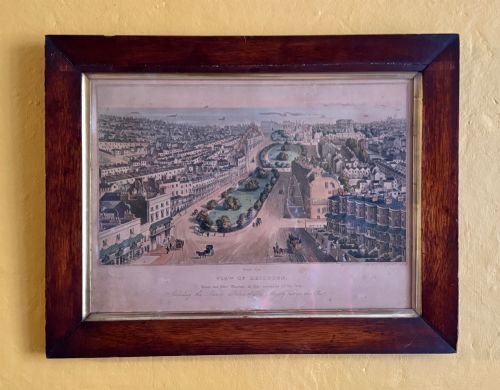
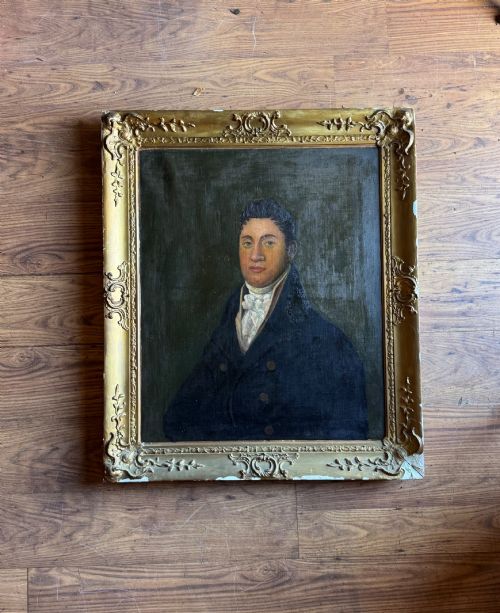
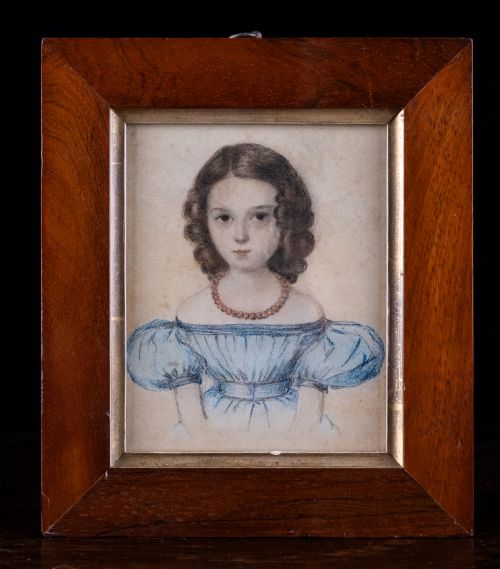
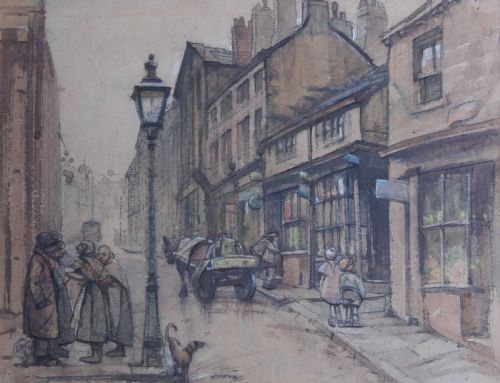
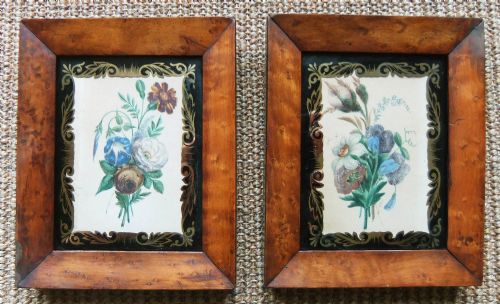
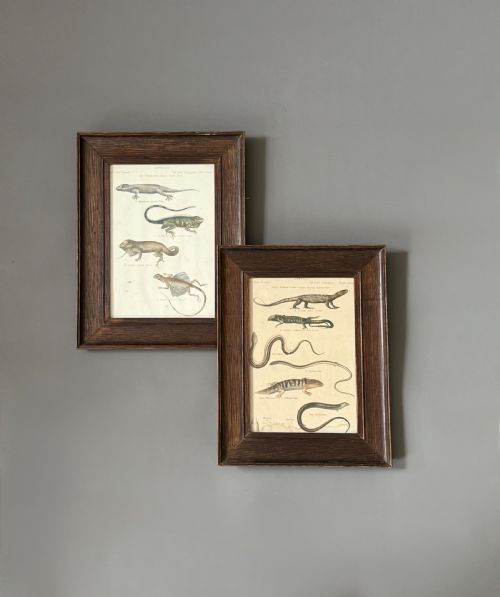
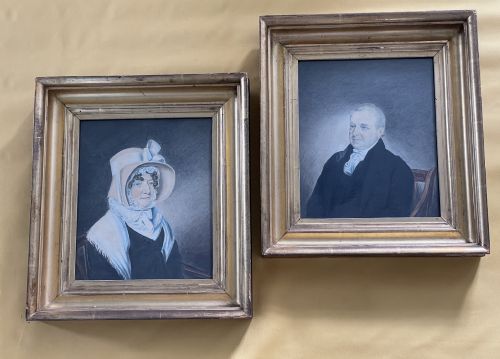
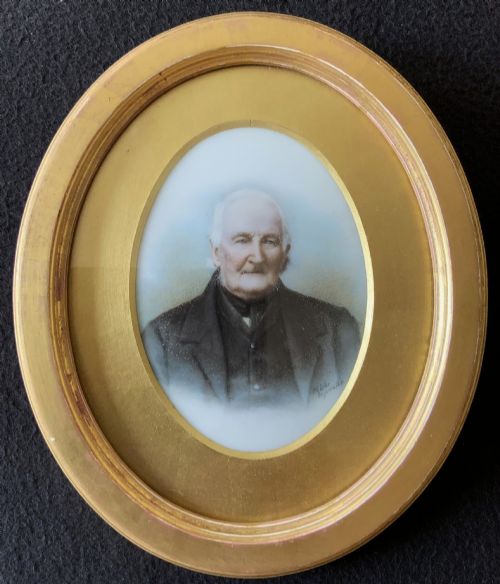
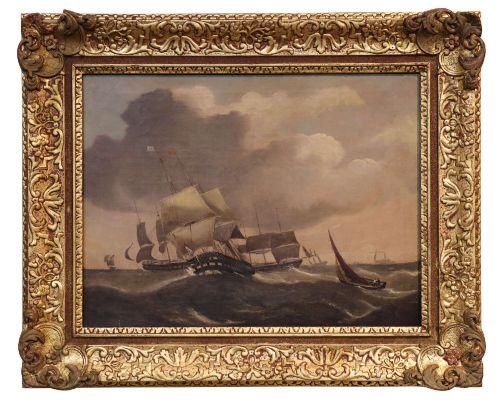
Early victorian art covers a diverse range of visual culture, uniting formal oil paintings with delicate works on paper and folk items. When browsing early victorian art, you will encounter framed portrait miniatures, townscapes, shipping scenes and botanical or animal prints.
The objects span multiple mediums and stylistic traditions, connecting nineteenth-century academic painting with naive domestic crafts. Many pieces reflect portraiture, topographical study and decorative printmaking typical of the period.
Materials and construction
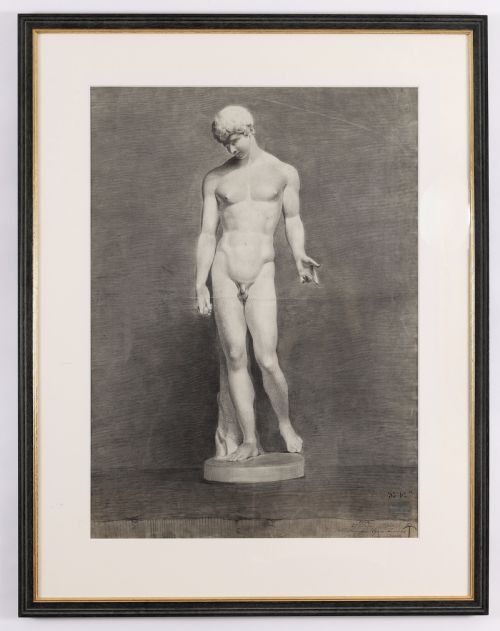
Works on paper rely on watercolour, lithography and engraving techniques applied to paper or card, frequently housed within original wooden or ebonised frames. Canvases utilise oil paint stretched over wooden frames, recording brushwork and pigment application specific to the period.
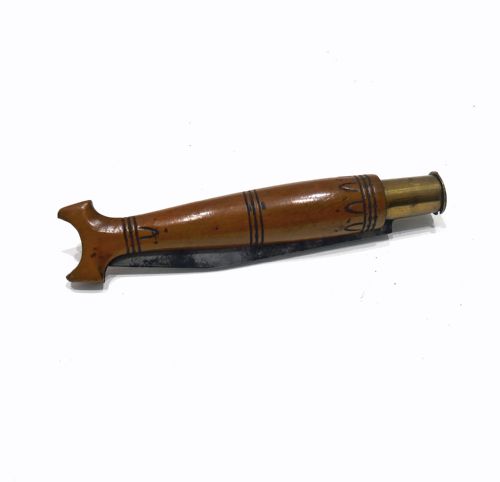
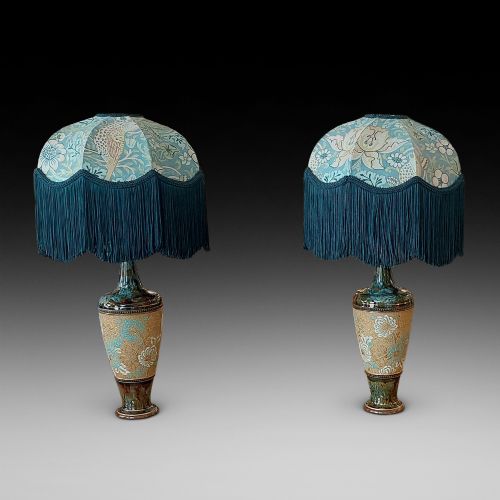
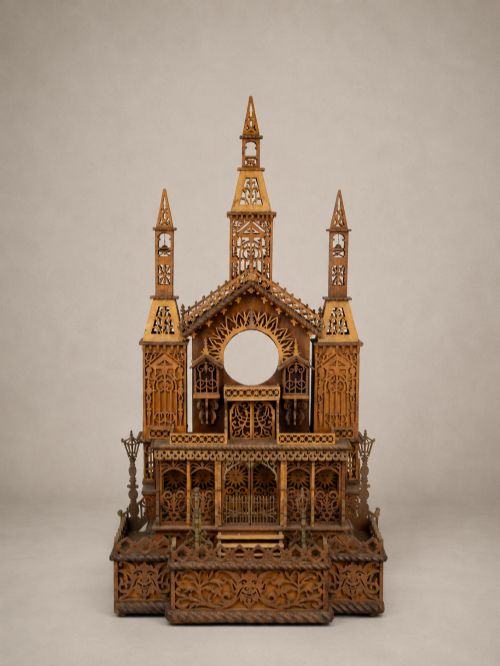
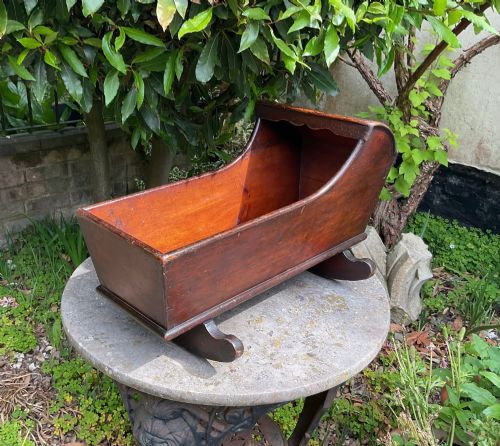
Three-dimensional objects employ wood, metal, glass and stone, shaped through cabinetmaking, carving, and ceramic production such as stoneware.
Early Victorian Art Retail Price Guide 2026
Typical asking prices for early victorian art among the pieces listed under this phrase on Sellingantiques today, from the lower quarter to the upper quarter. They describe what is for sale here now, not the wider market.
An owl bird scarer waits silently among the paintings, ready to keep ghosts of nineteenth-century mice at bay.
Variations in quality
Originality of mounting also matters, as period frames and undisturbed backing papers contribute to historical integrity.
William James Hubard·Frederick Frith·Lewis J Wood·Cuthbert Crossley·William Bird
The Early Victorian Art Glossary
- Watercolour
- A painting method where fine pigment is suspended in a water-based solution on paper. It forms the basis of many nineteenth-century portraits and landscapes.
- Lithography
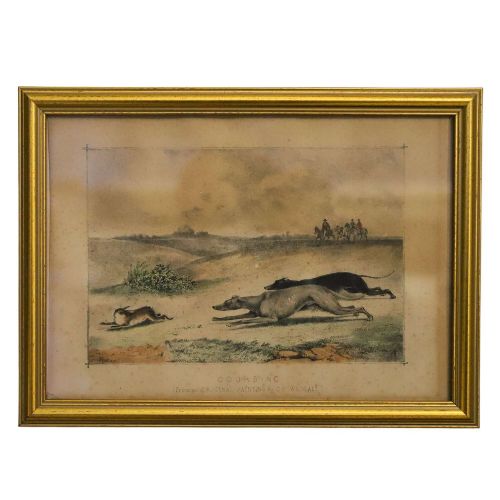
- A planographic printing process utilising a stone or metal plate. It enabled the reproduction of illustrations and sporting prints during the era.
- Oil on Canvas
- Pigment mixed with drying oil applied to a woven fabric support. This technique provides depth and durability for larger figurative and landscape compositions.
- Silhouette
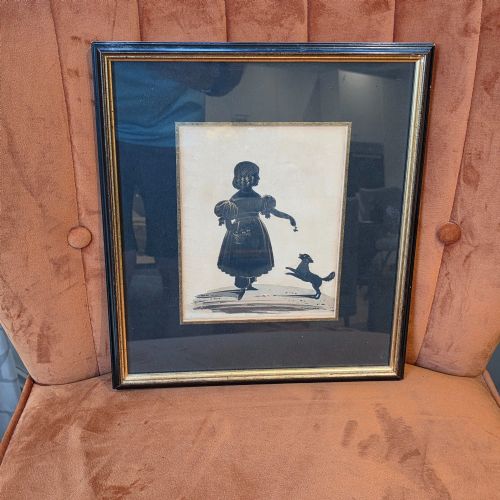
- A solid dark profile image cut from paper or painted against a pale background. Artists created these likenesses by hand using scissors or ink.
Early Victorian Art: Frequently Asked Questions
How do I care for watercolour paintings?
Watercolours require careful positioning away from direct sunlight to prevent fading of the pigments and paper. Maintaining stable indoor humidity protects both the paper support and the antique wooden or ebonised frame.
Glazing should remain intact to shield the delicate paint surface from atmospheric dust and moisture.
Are these pieces in original frames?
Many works retain their period frames, which often feature maple, gilt wood, or ebonised finishes characteristic of nineteenth-century framing practices. Original frames show age-appropriate wear and contribute to the historical context of the artwork.
Examining the backboards and fixings helps determine whether the framing is contemporary to the piece.
How do I distinguish watercolours from prints?
Watercolours reveal individual brushstrokes and pooling pigment under magnification, whereas prints show a uniform dot pattern or ink resting within engraved lines. Examining the surface under magnification clarifies the production method.
Original watercolours also lack the plate marks or dot matrices associated with mechanical reproduction techniques.