

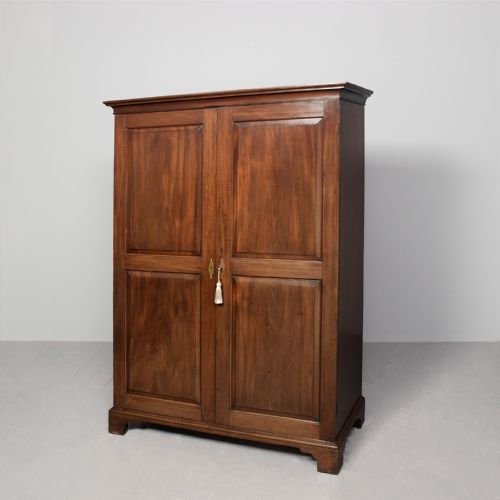


Early Timber Cupboard
An early timber cupboard brings substantial storage and centuries of character into a room, forged from solid oak, mahogany, cedarwood, and pine.
Early Timber Cupboard
An early timber cupboard encompasses robust storage furniture spanning from the seventeenth century through to the early twentieth century. When you search for an early timber cupboard, you encounter diverse forms including press wardrobes, dresser bases, spice cupboards, pedestal stands, and display cabinets.
The pieces on this page originate from various regions and stylistic traditions, ranging from seventeenth century oak examples to Georgian mahogany furniture. You also find French Provincial and rustic farmhouse cellars, English spice cupboards, Japanese Taisho era shodana cabinets, and Indian rosewood furniture.
Domestic and utilitarian origins dictate the construction of these cabinets, designed originally for storage, display, or food preservation in kitchens and living quarters. Their enduring appeal lies in their capacity to provide practical utility alongside centuries of authentic material history.
How they were made
Makers utilised solid timbers such as oak, mahogany, cedarwood, pine, walnut, and rosewood, shaping them with hand tools suited to each period. Heavy woods like oak and mahogany formed the structural backbone of seventeenth and eighteenth century pieces, while later items incorporated painted pine, walnut, and exotic woods.
Joinery techniques relied on traditional framing and panel construction, accompanied by carved ornamentation and ebonised detailing where stylistic conventions demanded. Hardware components incorporated brass and wrought iron for hinges, handles, and structural reinforcement.
Early Timber Cupboard Retail Price Guide 2026
Typical asking prices for early timber cupboard among the pieces listed under this phrase on Sellingantiques today, from the lower quarter to the upper quarter. They describe what is for sale here now, not the wider market.
Object types include press wardrobes, dresser bases, spice cupboards, pedestal stands, display cabinets, sideboards, and armoires.
What varies in quality
The integrity of the timber and the preservation of original surfaces separate exceptional examples from standard utilitarian items. Superior pieces exhibit well-figured grain in materials like mahogany or rosewood, alongside robust structural frames that have survived centuries of domestic use.
The refinement of decorative elements, from carved mouldings and panels to original brass or wrought iron hardware, indicates the skill of the maker. Quality also rests on the retention of original finishes, whether natural polished wood, early paint layers, or ebonised surfaces.
The Early Timber Cupboard Glossary
- Press wardrobe
- A large storage cabinet containing hanging space or shelving, often featuring upper and lower sections. Early George III examples in mahogany demonstrate this traditional form.
- Dresser base
- A low sideboard or cabinet traditionally used for food preparation and serving in kitchens. Early eighteenth century examples frequently utilise cedarwood or oak.
- Spice cupboard
- A small wall-mounted or tabletop cabinet fitted with multiple internal drawers for storing valuable provisions. These miniature storage pieces often feature decorated timber surfaces.
- Shodana
- A traditional Japanese display cabinet featuring asymmetrical shelving and compartments. Taisho period examples showcase carved and ebonised woodwork.
- Pedestal cupboard
- A tall, narrow cabinet designed to support sculptures or display objects. Nineteenth century versions in mahogany combine utilitarian storage with a columnar display function.
Early Timber Cupboard: Frequently Asked Questions
Where should I place an early timber cupboard?
These cabinets suit dining rooms, hallways, and living spaces where their storage capacity and historical presence anchor the room.
Ensure placement avoids direct sunlight and dramatic humidity shifts to preserve the timber and historical finishes.
How do I care for antique timber furniture?
Dust the surfaces regularly with a soft, dry cloth and apply natural beeswax periodically to nourish the wood grain.
Avoid chemical polishes and keep the furniture away from direct heat sources to prevent timber splitting.
What periods do these cupboards cover?
The selection spans from the seventeenth century through the Georgian era up to the early twentieth century.
Each period brings distinct wood choices, from early oak and cedarwood to later mahogany, walnut, and painted pine.
How were these cabinets originally used?
They served practical domestic functions ranging from kitchen storage and spice organisation to wardrobe pressed storage and display.
Over time, many transitioned from utility items to focal points for displaying collections or fine ceramics.