



Early Regency Desk
An early regency desk brings neoclassical symmetry and rich timber tones into a room, offering practical writing space shaped by early nineteenth-century design.
Early Regency Desk
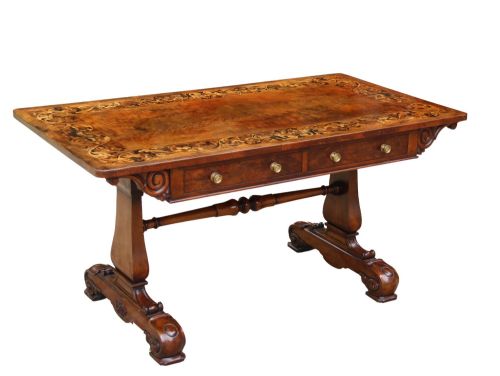
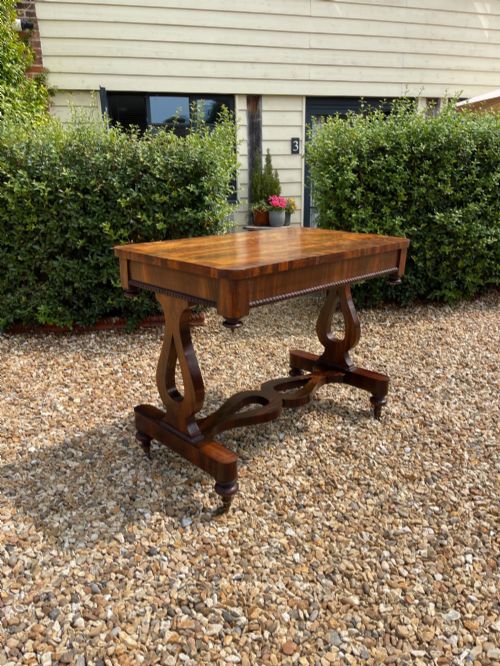
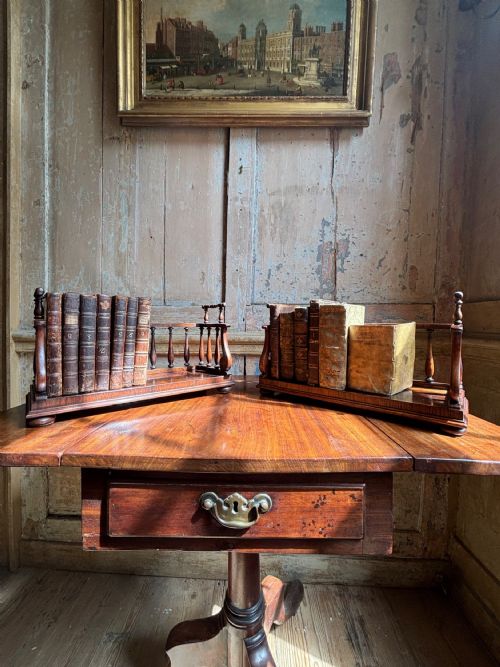
An early regency desk unites formal neoclassical restraint with the rich grain of mahogany or rosewood, often taking the form of a freestanding writing table or a tambour desk. These pieces emerge from the opening decades of the nineteenth century, encompassing Georgian, Regency, and William IV periods.
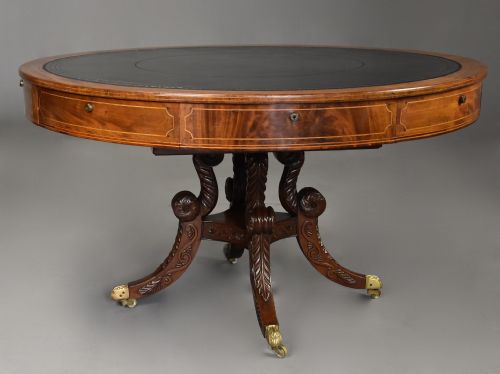
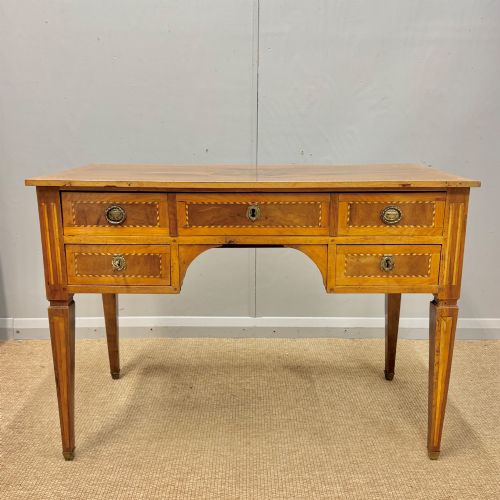
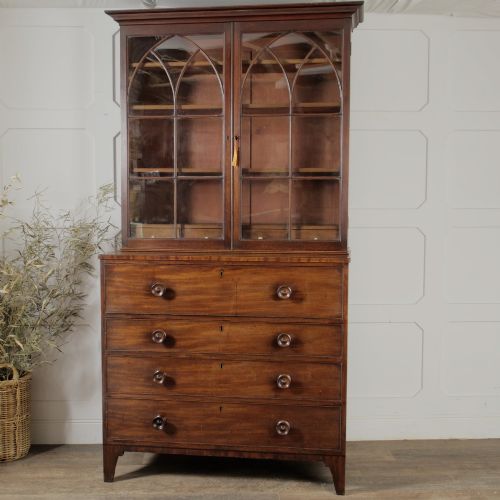
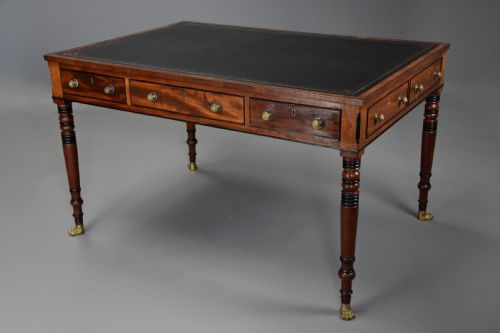
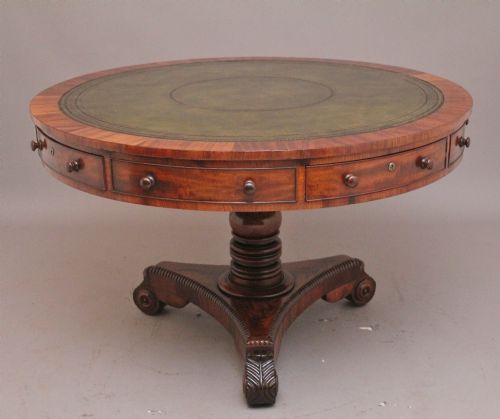
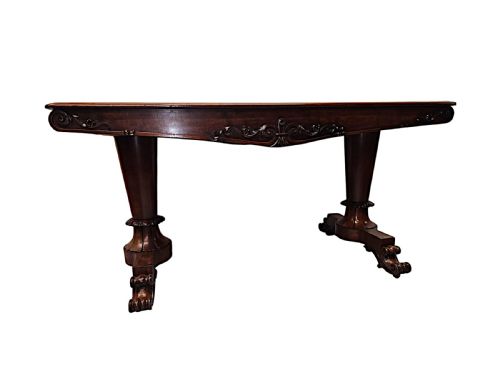
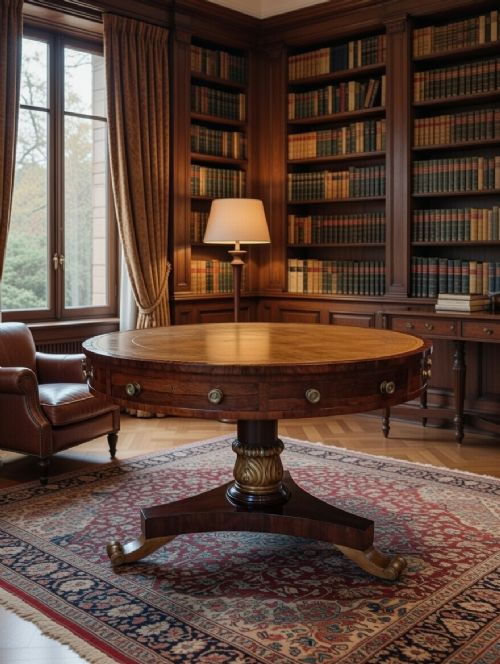
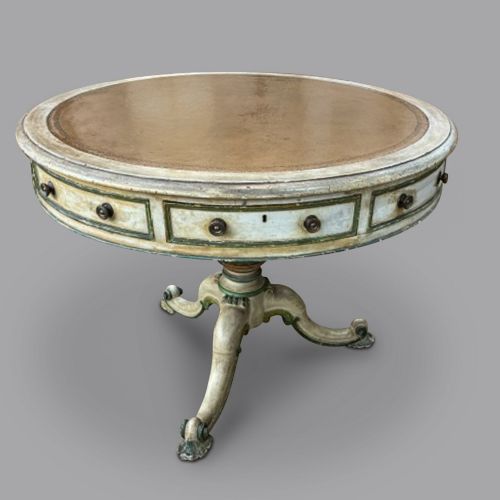
The version most commonly met on this page is the mahogany writing table, frequently fitted with multiple drawers and supported by turned or reeded legs. Alongside these, buyers encounter secretaire bookcases and drum tables sharing the same architectural discipline.
Materials and construction
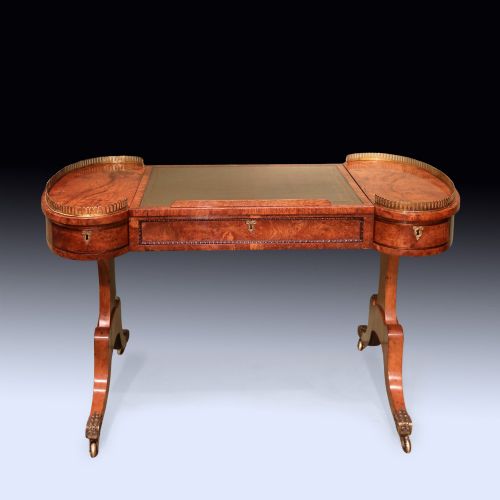
Cabinetmakers constructed these pieces primarily from solid and veneered mahogany, alongside rosewood, burr oak, and yew wood, often applying marquetry or brass inlay for decorative contrast. Leather inserts frequently surface on writing surfaces, providing a durable plane for daily correspondence.
Joinery relied on traditional techniques to ensure stability across freestanding forms, while brass hardware, ormolu details, and occasional bronze mounts added functional weight and polish to the design.
Early Regency Desk Retail Price Guide 2026
Typical asking prices for early regency desk among the pieces listed under this phrase on Sellingantiques today, from the lower quarter to the upper quarter. They describe what is for sale here now, not the wider market.
A travelling hourglass and a bronze signal cannon occasionally keep watch over the paperwork.
Distinguishing quality in early pieces
Quality rests upon the selection of timber figures, such as flame mahogany or burr oak, and the precision with which veneers are matched across drawer fronts and tops. Faded patinas achieved through age indicate natural wear rather than heavy restoration.
Structural integrity and the refinement of secondary details, such as hand-cut dovetailing in the drawers and the crispness of brass mounts or reeded legs, separate standard utility pieces from exceptional cabinetwork.
Cary London·Williams and Gibton·Jean-Joseph Chapuis
The Early Regency Desk Glossary
- Tambour
- A flexible shutter door formed of narrow strips of wood glued to canvas, commonly used to enclose pigeonholes on writing desks.
- Secretaire
- A piece of furniture containing a pull-down writing flap that conceals fitted drawers and pigeonholes.
- Ormolu
- Gilded bronze used for decorative mounts and fittings on fine furniture.
- Patina
- The surface sheen and softening of colour developed by wood over decades of handling and exposure to light.
- Marquetry
- Decorative patterns formed by the insertion of different coloured veneers into a wood ground.
Early Regency Desk: Frequently Asked Questions
How do I distinguish a Regency desk from later Victorian copies?
Early Regency pieces typically display lighter timbers, restrained neoclassical proportions, and hand-cut joinery that reflects the taste of the early nineteenth century.
Later Victorian reproductions often employ heavier framing, darker finishes, and machine-cut secondary elements beneath the surface.
Were these desks designed to sit in the middle of a room?
Many writing tables and library tables from this period feature finished backs, allowing them to stand away from walls in the centre of a study.
Freestanding forms were constructed with equal attention to detail on all sides to suit open placement.
What maintenance does a leather writing surface require?
Original or period-style leather surfaces benefit from gentle cleaning and occasional neutral wax conditioning to prevent drying and cracking.
Avoiding excessive moisture and direct sunlight preserves the suppleness of the hide.
How do I care for rosewood and mahogany finishes?
Routine dusting with a soft, dry cloth protects the polished timber from abrasive particles.
Periodic application of traditional beeswax helps maintain the natural sheen without building up heavy residue.