




Early Portrait Miniature
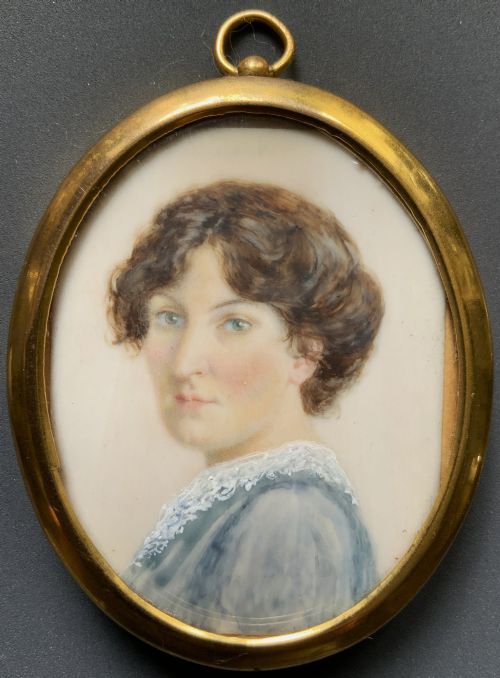
When you handle an early portrait miniature, you hold a personal likeness painted on ivory, paper or glass during the Georgian, Regency and Victorian eras.
Early Portrait Miniature
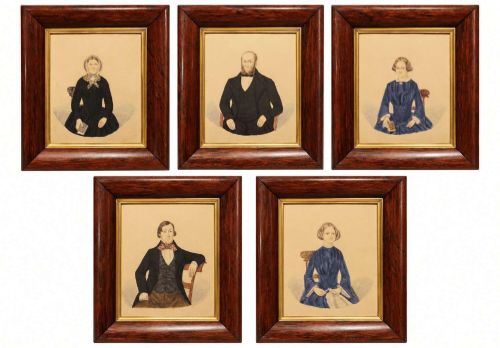
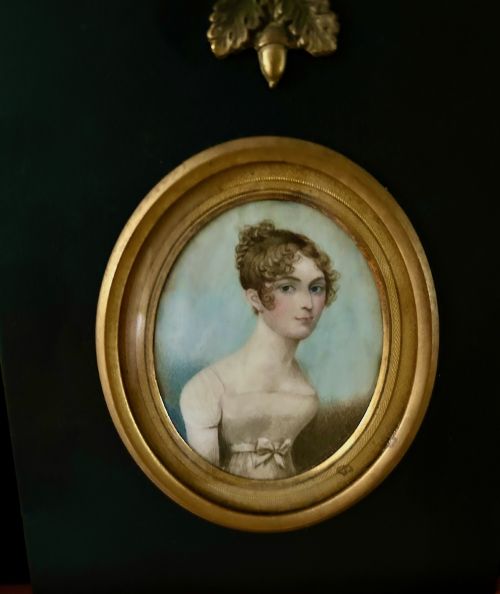
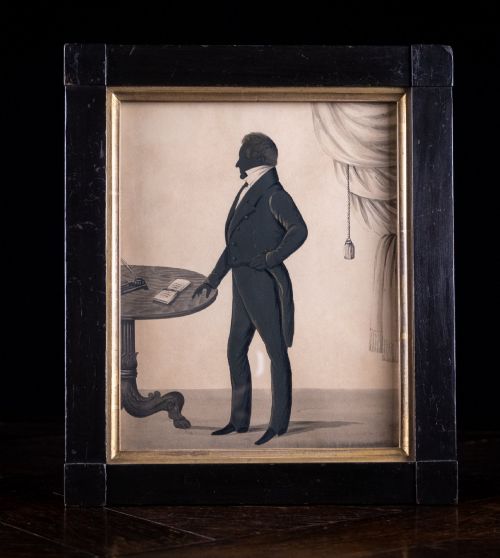
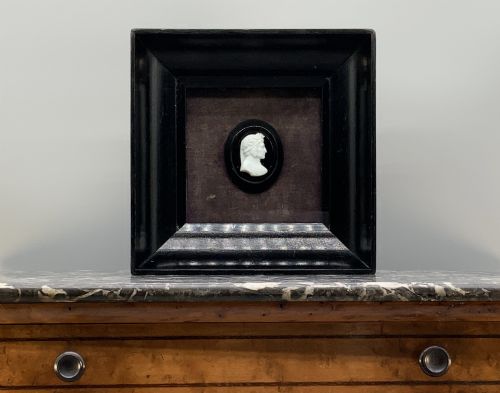
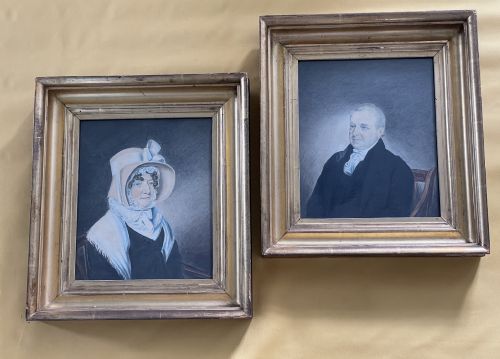
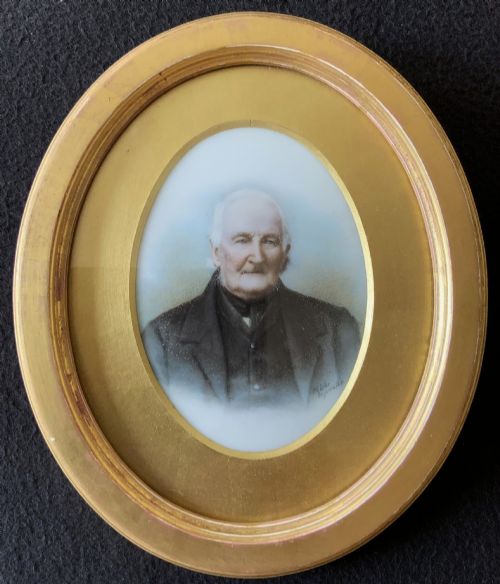
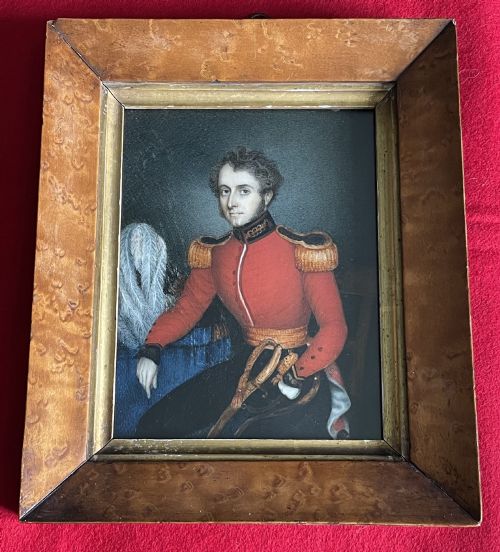
An early portrait miniature is a small painted, carved or silhouetted likeness produced primarily during the Georgian, Regency and Victorian periods. You will most frequently encounter delicate watercolour paintings on paper or ivory, alongside profile silhouettes framed for display.
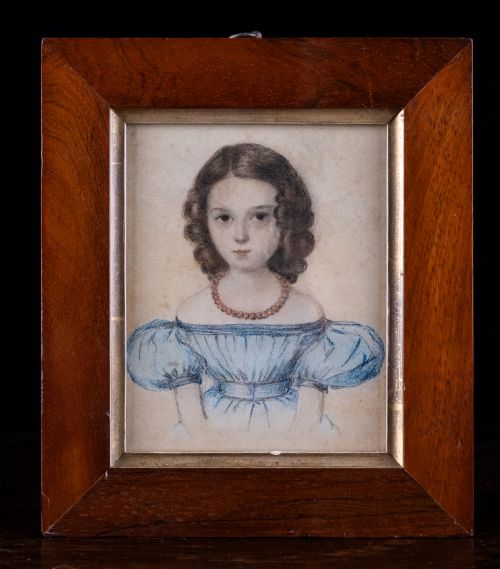
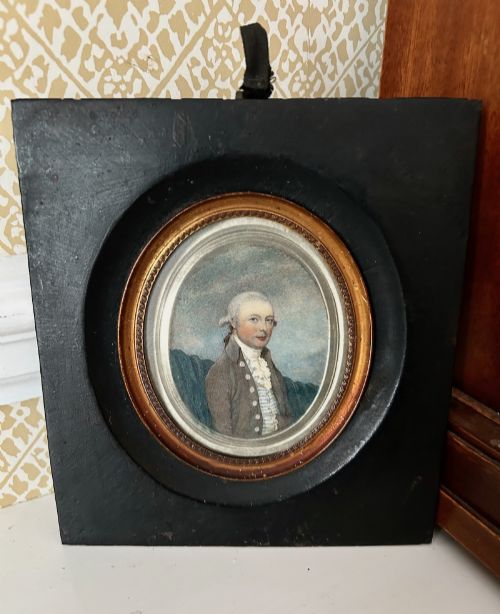
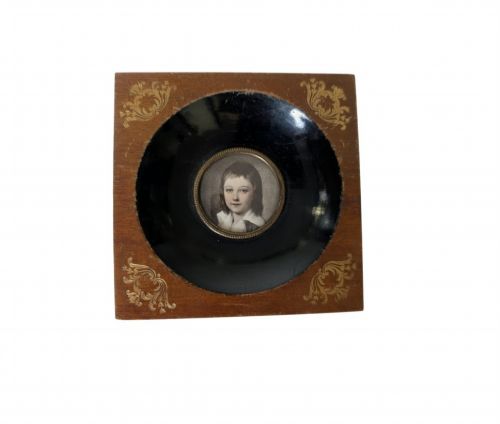
These works capture individuals from history, ranging from gentlemen in grey wigs to young ladies with ringlets and children in period dress. The forms span from handheld paintings to framed wall art intended for intimate domestic spaces.
How They Were Made
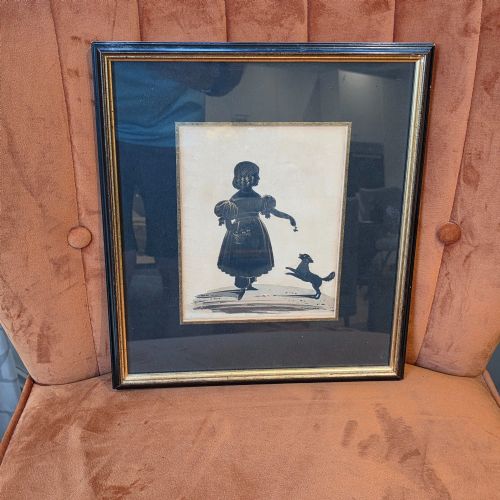
Artists painted these small works using watercolour and gouache on thin sheets of ivory, prepared paper or card, occasionally working directly on glass. Silhouettes were formed through cut paper and delicate ink work, frequently enhanced with gold leaf.
The finished pieces were housed in protective surrounds of ebonised wood, brass, maple and gilt wood, often protected by convex glass to preserve the fragile pigments.
Early Portrait Miniature Retail Price Guide 2026
Typical asking prices for early portrait miniature among the pieces listed under this phrase on Sellingantiques today, from the lower quarter to the upper quarter. They describe what is for sale here now, not the wider market.
A pet dog occasionally shares the frame with its owner, immortalised in cut paper and watercolour.
What Varies In Quality
The condition and originality of the surrounding frame, glass and backing materials also influence the integrity of the piece, as original housings protect the delicate surfaces from environmental damage.
Frederick Buck·William James Hubard·J Bizo·William Egley·J Deacon·Emma Kendrick·Skeolan
The Early Portrait Miniature Glossary
- Limner
- An artist who specialises in painting portrait miniatures. The term derives from the historical practice of illuminating manuscripts.
- Silhouette
- A portrait profile cut from dark paper or painted in solid black, often highlighted with bronze or gold leaf. These became popular during the eighteenth and nineteenth centuries.
- Gouache
- An opaque watercolour paint containing a binding agent, used to create solid areas of colour and highlights in miniature paintings. It allows for greater density than transparent watercolour.
- Ebonised wood
- Timber treated with a dark stain or finish to imitate ebony. It is commonly found on frames from the Regency and Victorian periods.
- Grand Tour
- A traditional trip of Europe undertaken by upper-class young men of the eighteenth and nineteenth centuries to accumulate art and culture.
Early Portrait Miniature: Frequently Asked Questions
What is an early portrait miniature?
An early portrait miniature is a small, intimate painting or silhouette depicting a specific person, created primarily during the Georgian, Regency and Victorian periods.
These portable artworks were designed to be kept close to the owner, often worn as jewellery or displayed in small domestic spaces.
How were portrait miniatures displayed?
Miniatures were housed in small frames made of ebonised wood, brass, maple or gilt wood, frequently protected by convex glass.
Many featured suspension loops or stands, allowing them to hang on walls or sit upon desks and dressing tables.
How do I identify the period?
Dating relies on the sitter's costume, hair style, and the framing materials used in the construction of the piece.
Garments such as grey wigs point to the eighteenth century, while ringlets and specific collar shapes indicate Regency or Victorian fashions.
What materials are used?
Artists painted on thin slices of ivory, prepared paper, card and glass using watercolour and gouache.
Silhouettes utilised cut paper and ink, while frames incorporated brass, wood, gold leaf and ebonised finishes.