


Early Portrait Artwork
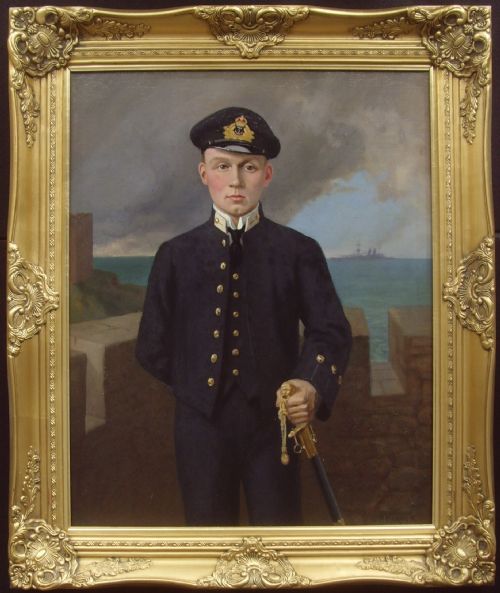
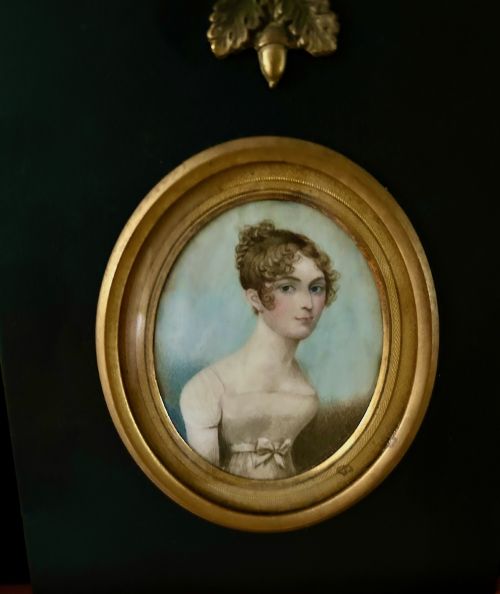
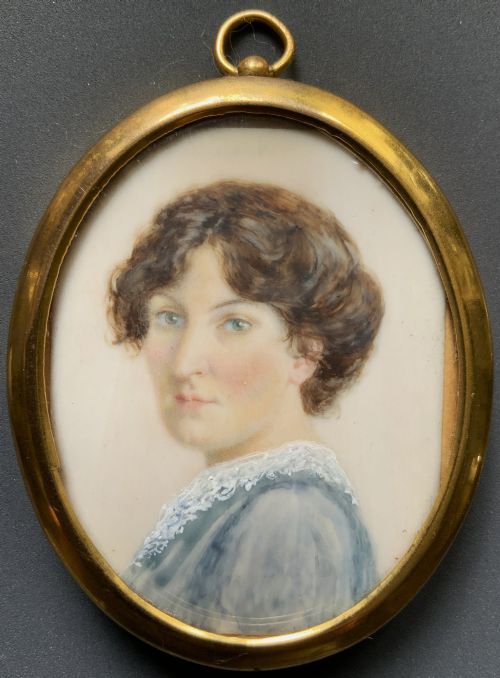
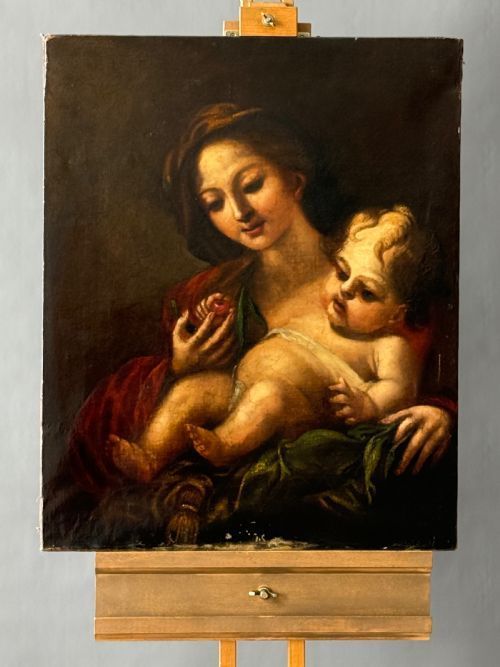
Early portrait artwork captures likenesses in oil, watercolour, ink and silhouette across the eighteenth, nineteenth and early twentieth centuries.
Early Portrait Artwork
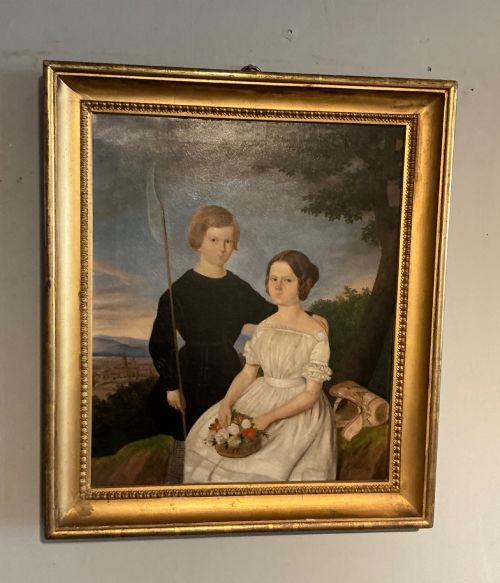
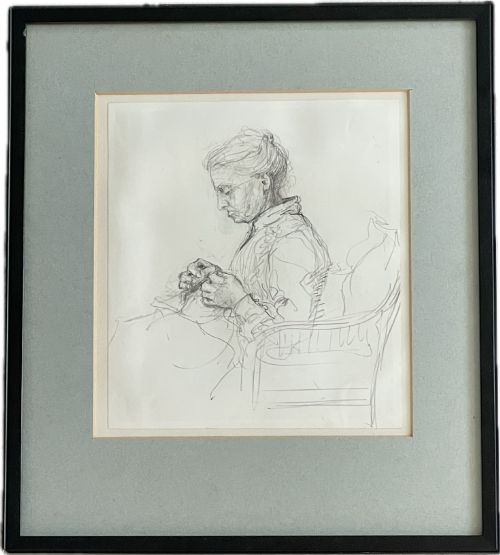
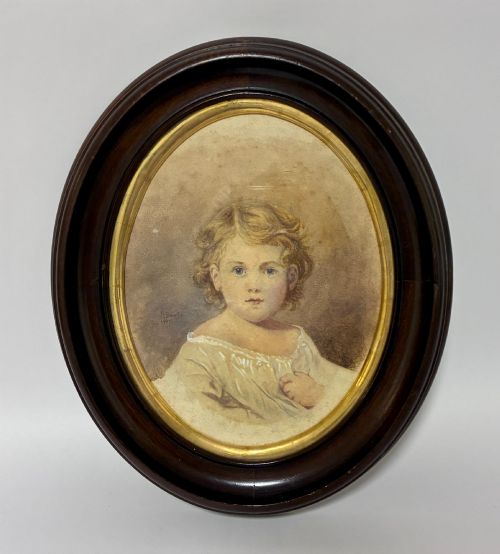
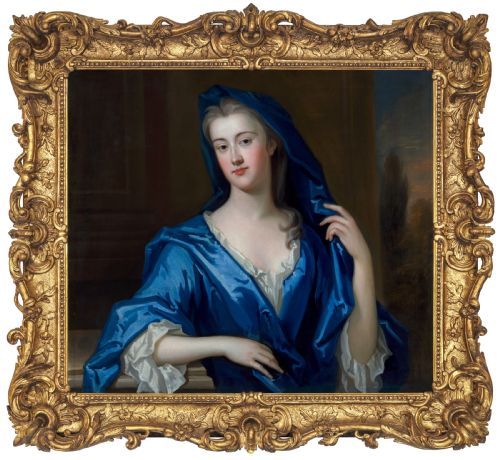
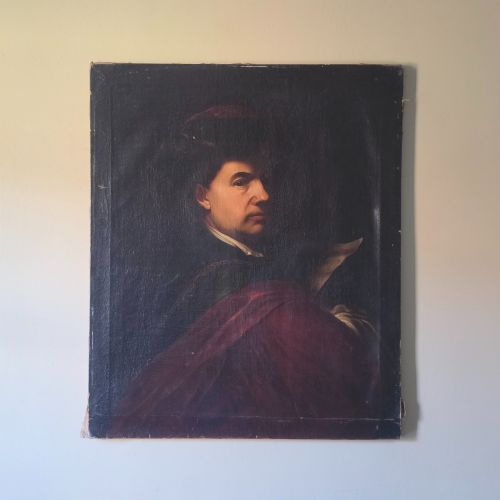
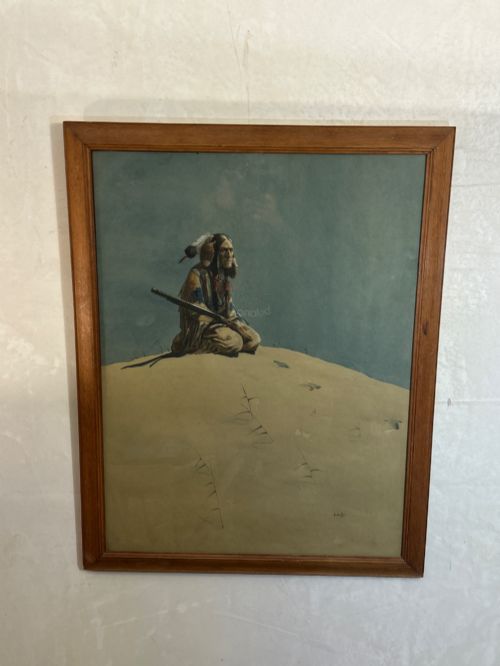
Early portrait artwork encompasses oil paintings, watercolours, portrait miniatures, silhouettes and drawings spanning from the late seventeenth century through to the early twentieth century.
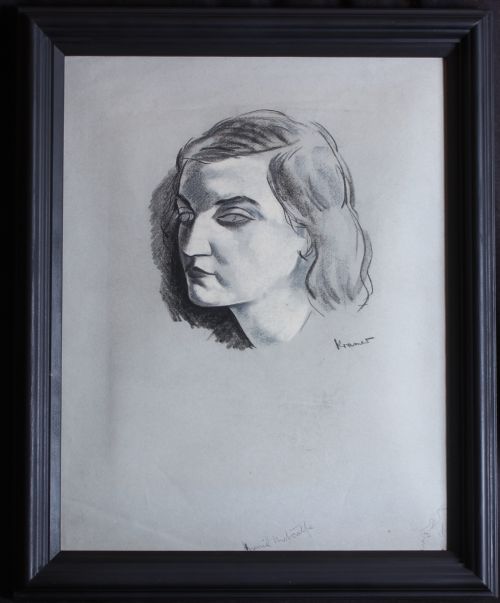
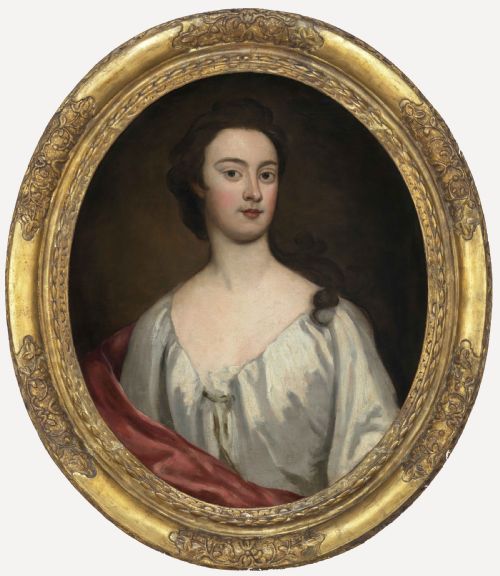
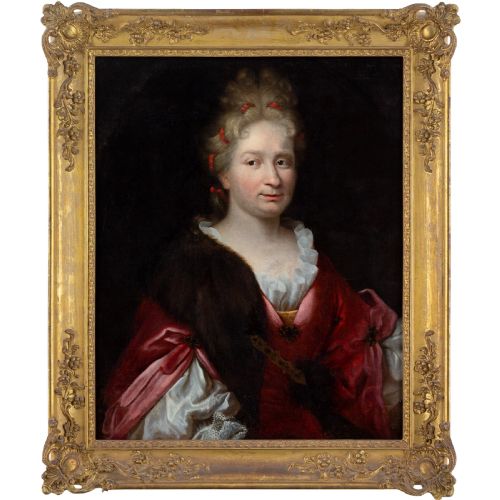
The selections available lean heavily toward eighteenth-century oil portraits on canvas and nineteenth-century watercolour miniatures, alongside early twentieth-century pastels and drawings.
Subjects range from named historical sitters, such as military officers and nobility, to anonymous sitters and character studies executed by regional and continental schools.
Materials and methods
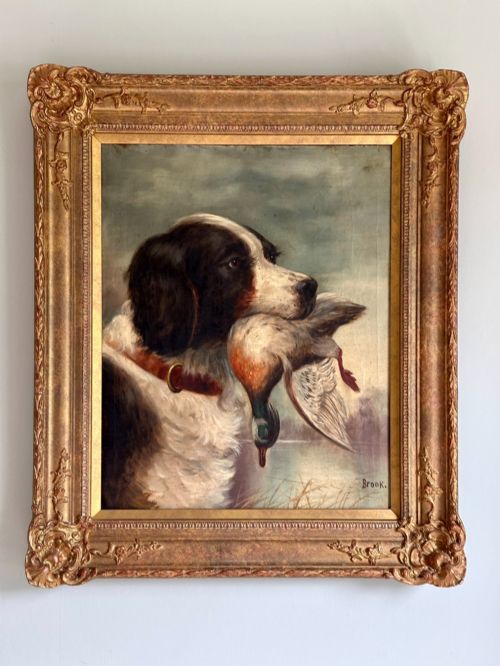
Artists worked primarily in oil on canvas or panel, watercolour on paper or glass, and ink or pencil on paper, often framed in period giltwood.
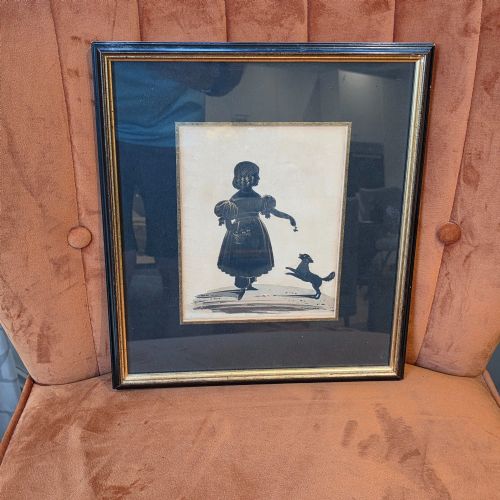
Silhouettes utilised cut paper heightened with watercolour and gilt accents, while pastels and drawings captured rapid character studies and preparatory sketches.
Early Portrait Artwork Retail Price Guide 2026
Typical asking prices for early portrait artwork among the pieces listed under this phrase on Sellingantiques today, from the lower quarter to the upper quarter. They describe what is for sale here now, not the wider market.
Assessing quality and execution
Works attributed to documented artists or established portrait circles generally command greater interest due to the precision of brushwork and psychological depth.
Charles Jervas·Frederick Buck·William James Hubard·Samuel Harry Hancock·Jeremiah Davison·Jean Baptiste Van Loo·John Hassall·Michael Dahl
The Early Portrait Artwork Glossary
- Portrait miniature
- A small-scale painted likeness, frequently executed in watercolour on ivory, paper or glass during the eighteenth and nineteenth centuries.
- Silhouette
- A profile likeness cut from black paper or painted onto card, often enhanced with gold leaf highlights.
- Mezzotint
- A printmaking process of the intaglio family where tones are scraped and burnished into a roughened copper plate to achieve subtle gradations of light and shade.
- Oil on canvas
- Pigment bound in drying oil applied to a stretched woven fabric support, prevalent in formal portraiture from the seventeenth century onward.
Early Portrait Artwork: Frequently Asked Questions
What periods do these portraits cover?
The pieces span from the late seventeenth century through the Georgian, Regency, Victorian and Edwardian eras up to the mid twentieth century.
This broad chronological range encompasses formal oil paintings, delicate watercolours and precise silhouettes.
How were portrait miniatures displayed?
Miniatures were often kept in small, protective leather cases or pocket frames for intimate viewing by family members.
Some were also framed for wall display or mounted into jewellery and chatelaines.
How do I identify the sitter?
Sitters are sometimes identified by contemporary inscriptions on the reverse of the canvas, panel or frame, or through accompanying family provenance.
Many sitters remain anonymous, identified only by their costume, hair style and the period of the artwork.
Where should I hang these artworks?
Portrait works suit traditional room settings, study walls or hallway arrangements where adequate indirect lighting preserves the pigments.
Avoid placing works in direct sunlight to protect vulnerable watercolours and paper silhouettes from fading.