



Early Oak Door
An early oak door leads you straight to solid timber storage, bringing honest grain and centuries of character into everyday rooms.
Early Oak Door
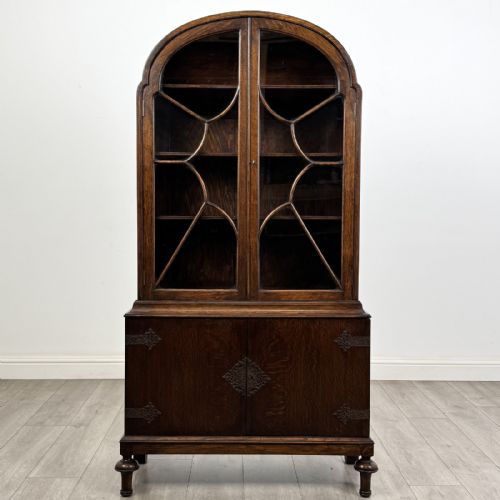
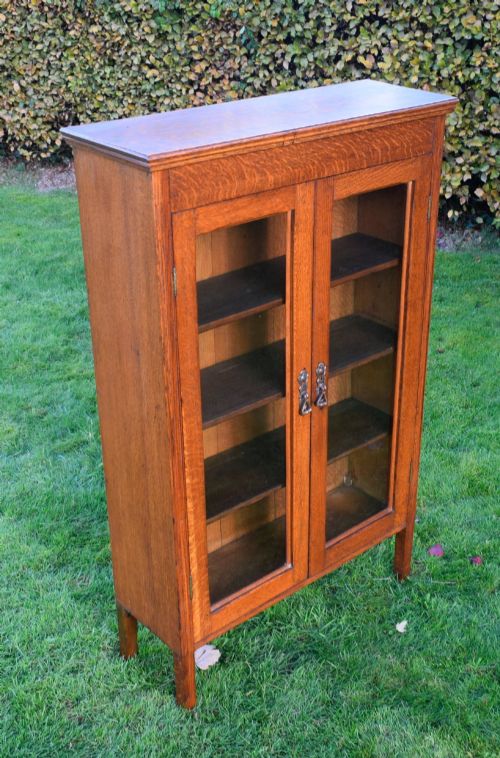
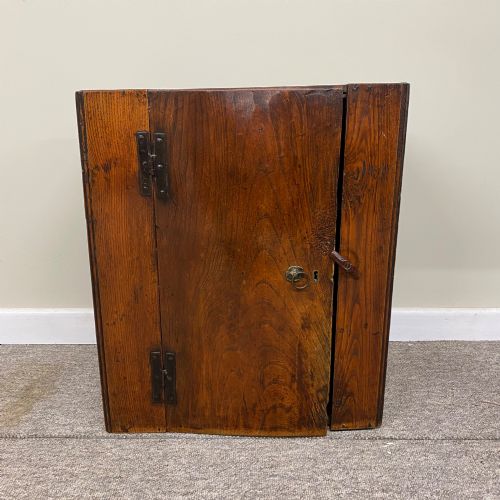
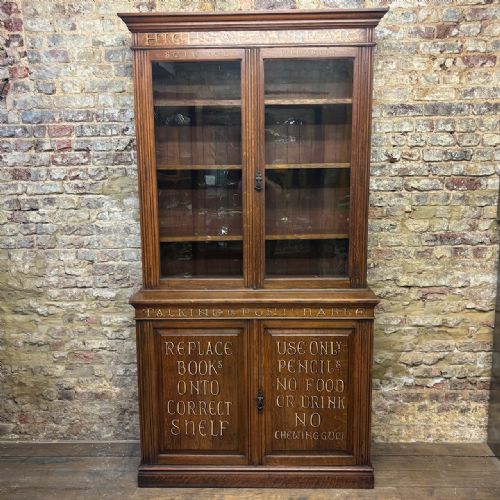
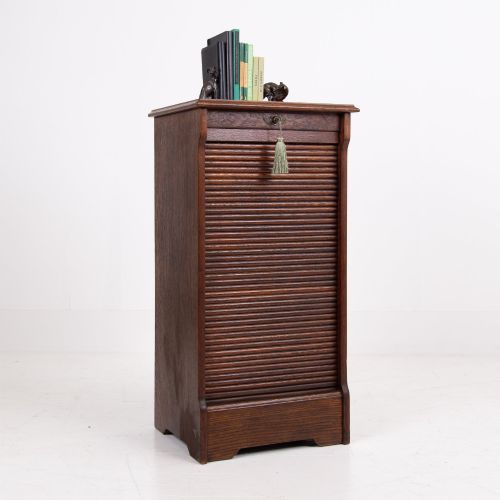
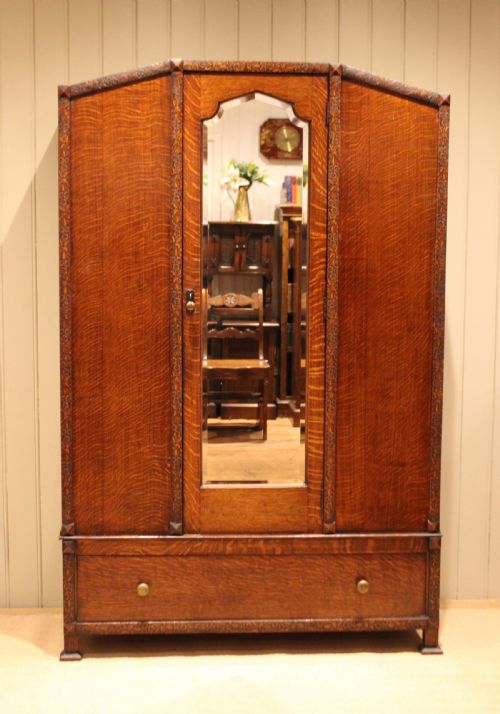
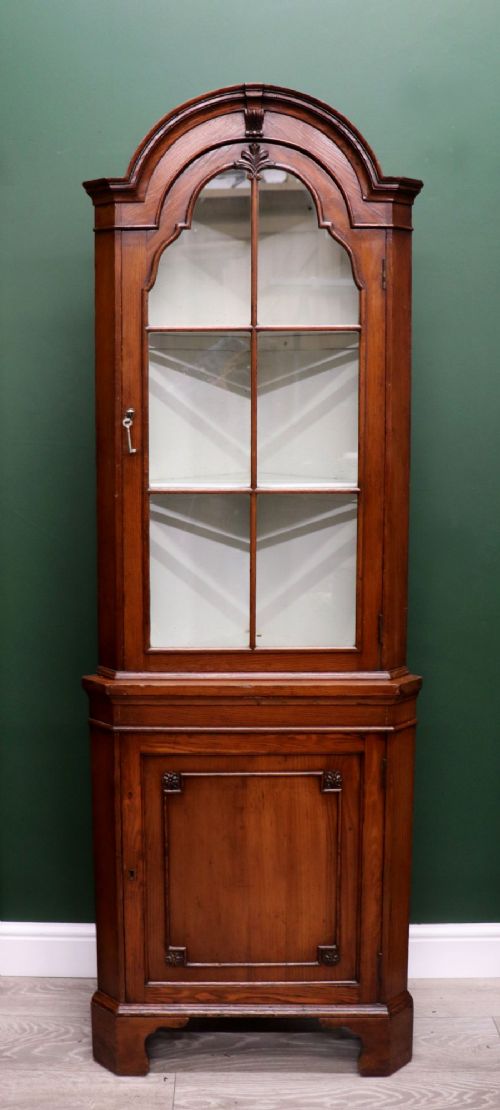
When you search for an early oak door, you encounter a variety of storage furniture including bookcases, cupboards, wardrobes, and cabinets spanning several centuries. These pieces incorporate doors of timber, glass, or tambour slats, serving both practical storage and decorative display.
The selection ranges from 17th-century four door cupboards and 18th-century spice cupboards to 19th-century bookcases and early 20th-century office filing cabinets. You will frequently meet Edwardian and Georgian iterations featuring panelled timber or glazed panels.
Makers such as Heal's and Globe Wernicke appear alongside provincial workshop items, offering structural variety from rustic farmhouse styles to Jacobean Revival and Arts and Crafts movements.
Materials and Construction
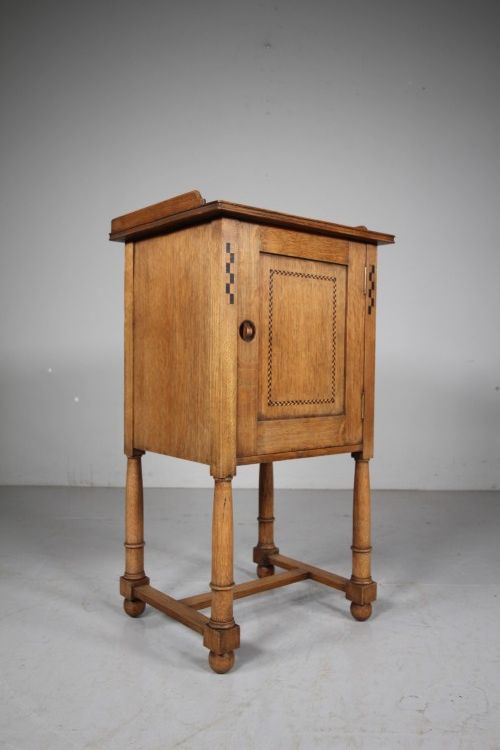
These items rely principally on solid oak, often enhanced with boxwood or ebony inlay for decorative contrast on panels and drawers. Metal elements such as brass handles and iron hinges provide structural support and functional operation.
Glazing with lead came appears on display cabinets and bookcases, while specialised mechanisms create tambour doors using wooden slats. Secondary materials like canvas appear occasionally in specific interior applications.
Joinery methods reflect the period of manufacture, moving from traditional pegged frames in earlier centuries to mechanical tambour tracks and internal shelving systems in the early twentieth century.
Early Oak Door Retail Price Guide 2026
Typical asking prices for early oak door among the pieces listed under this phrase on Sellingantiques today, from the lower quarter to the upper quarter. They describe what is for sale here now, not the wider market.
Materials recorded across these pieces include oak, brass, glass, iron, ebony inlay, boxwood inlay, lead, and canvas.
Assessing Quality and Execution
The standard of timber selection and grain alignment dictates the visual weight of the piece, with finer examples displaying balanced medullary rays in the oak. Inlay work executed in boxwood or ebony shows precision around the edges of doors and panels.
Hardware execution separates standard utility items from finer workshops, visible in the weight of brass hinges and the smoothness of tambour door tracks or cabinet locks. Maker labels, such as those from Heal's, confirm origin and workshop standards.
Globe Wernicke·Mercer Hythe Kent
The Early Oak Door Glossary
- Tambour door
- A flexible door made of narrow wooden slats glued to canvas backing, allowing it to slide smoothly around a curved track in office and filing cabinets.
- Medullary ray
- A cellular ribbon running radially through oak timber, producing characteristic silver flake patterns when quartersawn.
- Lead came
- A slender lead channel used to hold individual panes of glass together in leaded windows and cabinet doors.
- Inlay
- A technique where contrasting materials like boxwood or ebony are inserted into recessed cavities on the oak surface to create decorative patterns.
- Jacobean Revival
- A 19th-century stylistic movement emulating the heavy, carved oak furniture and architectural motifs of the early 17th century.
Early Oak Door: Frequently Asked Questions
How do I date an oak cabinet?
Dating relies on examining construction techniques, joinery marks, and hardware styles associated with specific periods from the seventeenth to the twentieth century.
Secondary woods, backboards, and the presence of maker labels or stamps provide further evidence of the exact era of manufacture.
What is a tambour door?
A tambour door consists of narrow wooden strips attached to a flexible canvas backing, enabling the door to slide around a curved corner.
This mechanism became popular in early twentieth-century office cabinets and bookcases to save space and conceal contents efficiently.
How do I care for antique oak?
Maintain antique oak furniture by keeping it away from direct heat sources and sudden temperature fluctuations that cause timber to split.
Apply traditional beeswax periodically to nourish the grain and preserve the natural finish without sealing the wood.
Are these cabinets suitable for modern homes?
These versatile storage pieces function effectively as bookcases, wardrobes, and bedside cabinets in contemporary bedrooms and living areas.
Their robust construction and practical internal shelving accommodate modern storage needs while introducing historical character to a room.