


Early Oak Cupboard
An early oak cupboard is a foundational piece of utilitarian furniture built to last centuries, prized for its honest joinery and rich timber grain.
Early Oak Cupboard
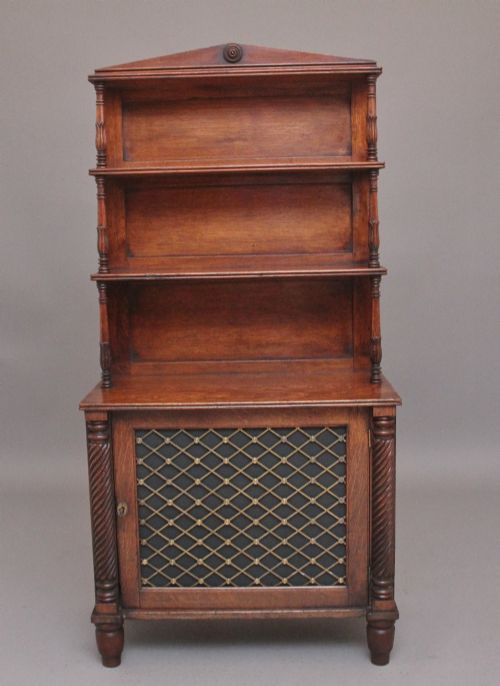
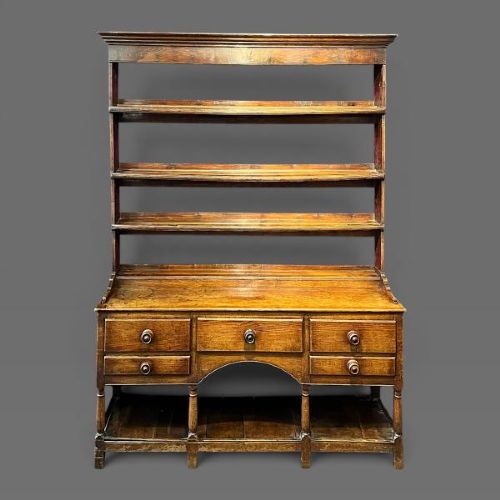
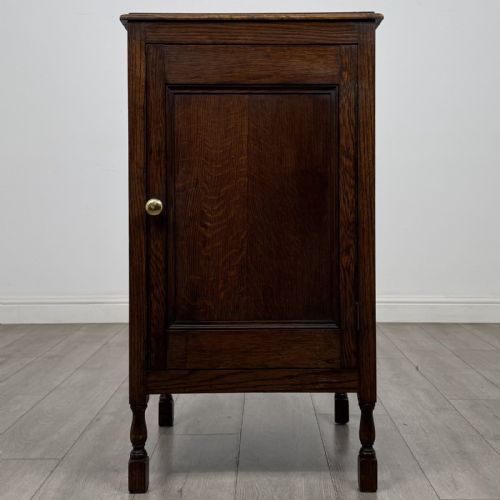
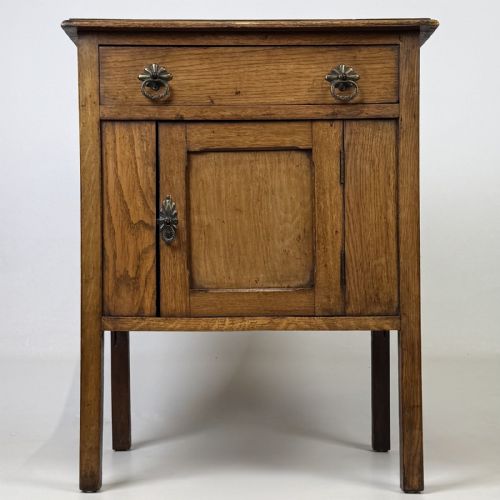
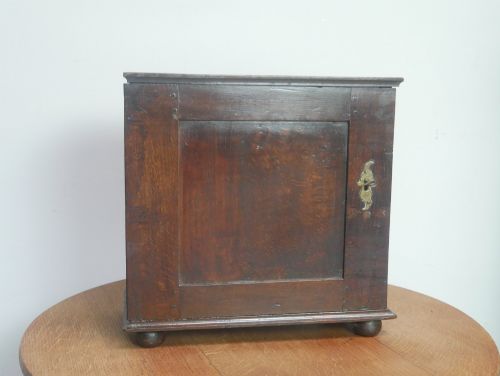
An early oak cupboard encompasses functional storage furniture built from solid timber across several centuries, ranging from small spice compartments to large press cupboards. Buyers seeking this phrase encounter sturdy domestic items designed for everyday provisions, linens, or books rather than delicate display.
The selections span significant historical periods from the seventeenth century through to early twentieth-century revivals. Seventeenth-century examples often display deep carvings and heavy panel construction, while eighteenth and nineteenth-century pieces lean towards Georgian practicality and provincial country house utility.
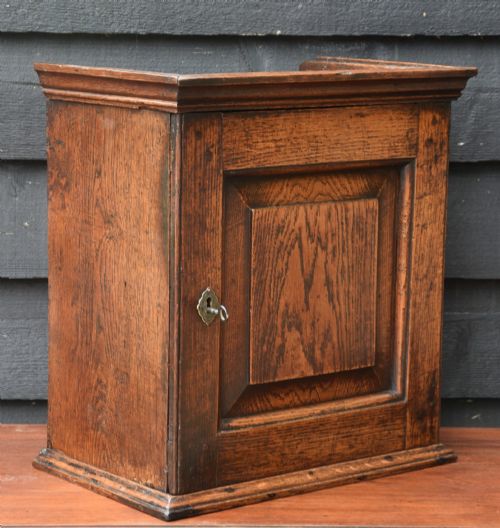
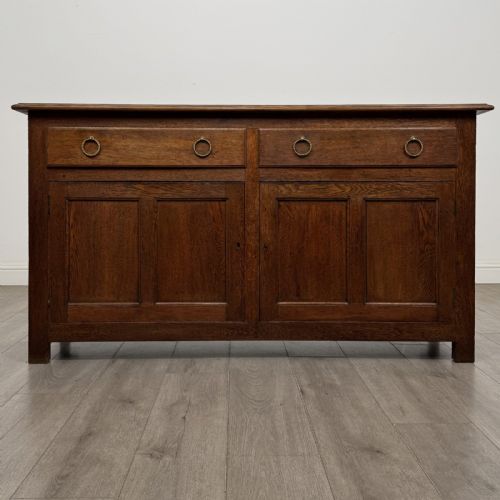
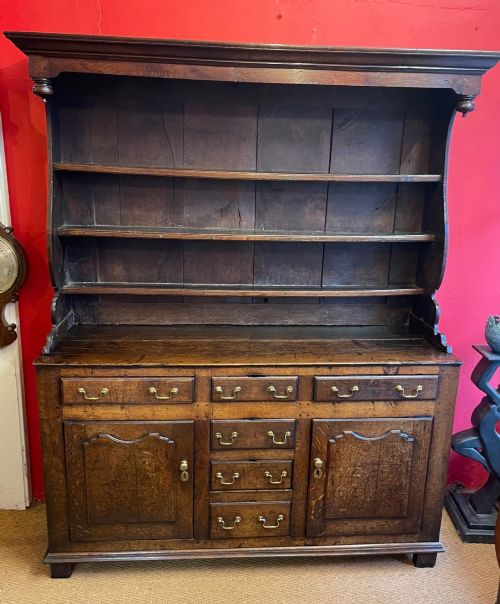
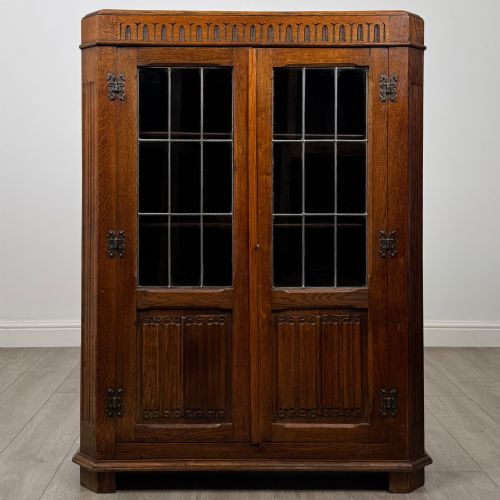
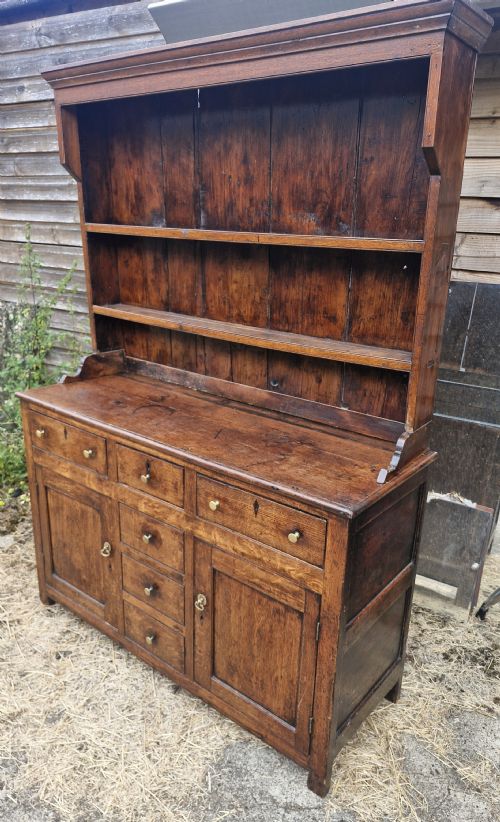
Forms vary from wall-hanging spice cupboards and corner cabinets to freestanding dresser bases and court cupboards. Provincial items predominate, showing regional adaptations in British and European domestic interiors.
Materials and construction
Makers relied principally on solid oak, utilising its natural density and strength for structural integrity. Secondary materials like walnut, fruitwood inlay, brass, iron, and glass appear selectively for hinges, handles, and panel accents.
Construction techniques rely heavily on traditional frame and panel assembly, pegged mortise and tenon joints, and hand-cut dovetails. Surfaces are frequently finished with natural wax or left untouched to develop deep historical patina over generations.
Early Oak Cupboard Retail Price Guide 2026
Typical asking prices for early oak cupboard among the pieces listed under this phrase on Sellingantiques today, from the lower quarter to the upper quarter. They describe what is for sale here now, not the wider market.
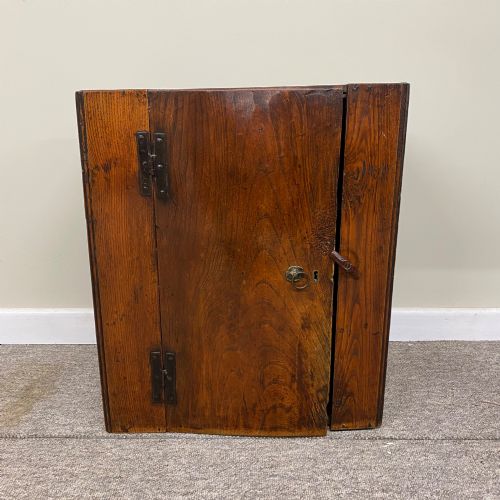
One remarkably compact survivor is a metamorphic dug-out cupboard carved from a single log.
Judging quality
Quality rests in the integrity of the original timber and the crispness of hand-carved details. Pieces retaining untouched surfaces and early hardware command attention for their historical honesty.
Proportion and structural balance separate superior vernacular pieces from lesser examples. Sympathetic timber matching and restrained ornamentation distinguish thoughtful workshop production from later utilitarian adaptations.
Heals of London
The Early Oak Cupboard Glossary
- Press cupboard
- A large storage furniture piece featuring enclosed upper and lower compartments designed for textiles or provisions. These often display significant period carving.
- Court cupboard
- An open or enclosed low standing sideboard used for displaying plate and storing food. They originate primarily from seventeenth-century British workshops.
- Tridarn
- A traditional Welsh three-tiered piece of furniture combining cupboard and shelving sections. They represent regional woodworking traditions.
- Panelling
- Framework constructed with tight vertical stiles and horizontal rails surrounding flat or raised wooden inserts. This technique accommodates seasonal timber expansion.
- Patina
- The deep surface sheen developed through decades of handling, polishing, and natural oxidation. It serves as a visual indicator of age.
Early Oak Cupboard: Frequently Asked Questions
How do I date an oak cupboard?
Dating relies on examining construction methods, tool marks, and hardware. Hand-split boards, pegged joints, and original iron hinges usually point to seventeenth or eighteenth-century origins.
Later pieces often incorporate machine-cut elements or standard brass fittings. Stylistic cues like linenfold carving or Jacobean motifs also help narrow down the period of manufacture.
Where were these cupboards originally used?
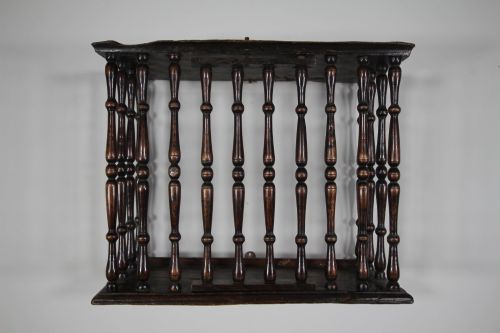
These pieces served practical storage roles in domestic kitchens, dining halls, and chambers. Smaller spice cupboards were mounted near hearths, while larger press cupboards held household linens.
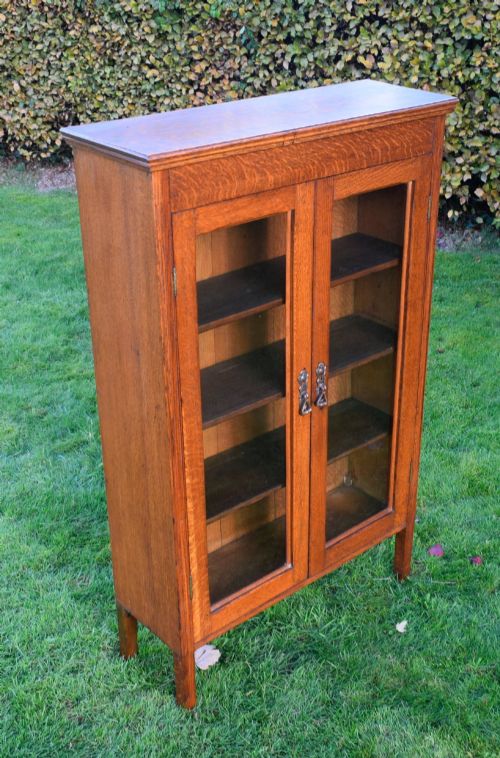
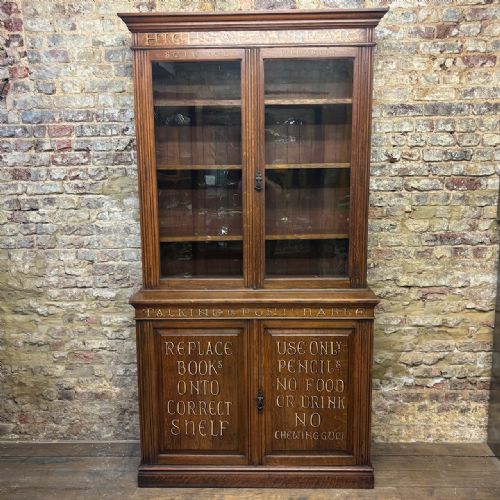
Corner cabinets maximised space in modest rooms, and school library bookcases housed institutional volumes.
How do I care for antique oak furniture?
Maintain stable indoor humidity levels away from direct heat sources and strong sunlight to prevent timber splitting. Regular gentle dusting preserves the surface.
Applying a traditional beeswax polish occasionally nourishes the dry wood and maintains the historical sheen without building up heavy chemical layers.