




Early Nineteenth Century Table
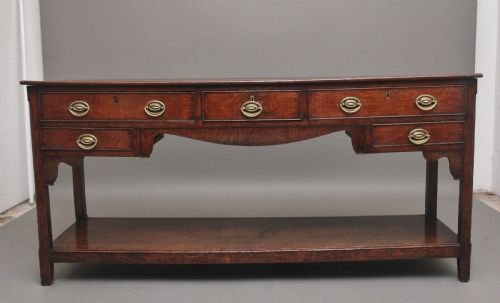
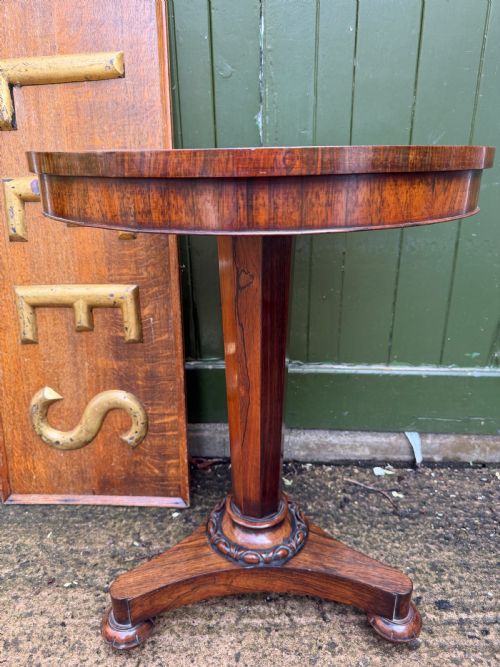
An early nineteenth century table brings the architectural restraint of Regency or the rich grain of rosewood directly into a room.
Early Nineteenth Century Table
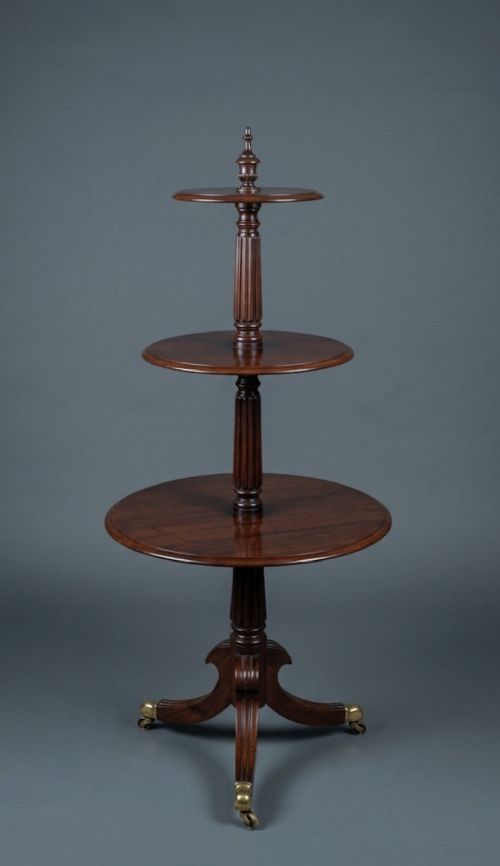
When searching for an early nineteenth century table, collectors encounter a diverse group of domestic furnishings spanning the Georgian, Regency, William IV, and early Victorian periods. These pieces range from substantial centre and library tables to compact occasional items, tripod gaming boards, and tiered whatnots.
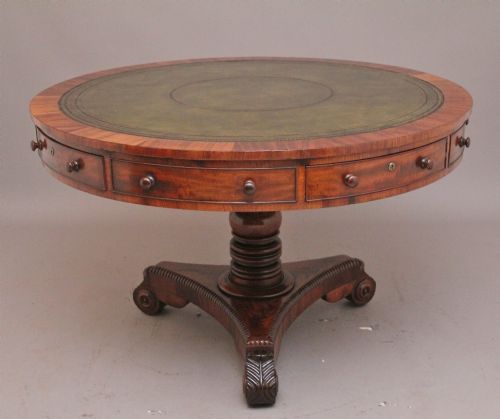
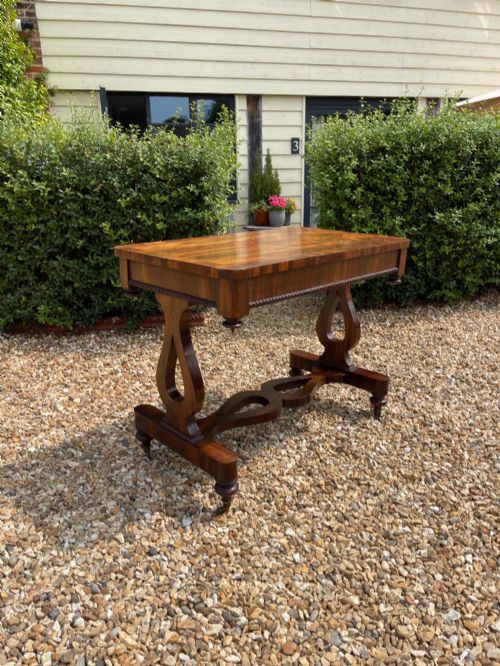
The most common formats on this page include mahogany drum tables, rosewood card and pembroke tables, and small tripod lamp tables designed for specific domestic duties. Woods like mahogany and figured rosewood dominate the surviving stock, often enriched with boxwood stringing, brass mounts, or inlaid marble tops.
Origins vary between British workshops, notably provincial and London cabinet makers, alongside continental examples including French Empire gueridons and Dutch marquetry. Their survival reflects the enduring utility of forms conceived to serve dining, writing, and social gaming.
What varies in quality
Quality rests in the choice of timber and the precision of the cabinet work, particularly how veneers are matched across large table tops and drum surfaces. Superior examples demonstrate crisp carving on pedestal bases, fine stringing, and robust mechanical actions for tilt-top or fold-over card tables.
The integration of secondary materials, such as heavy cast bronze mounts, inset marble slabs, or finely tooled leather, separates standard utility pieces from high-status furniture attributed to prominent workshops like Gillows.
The inventory spans the Georgian, Regency, William IV, and Victorian periods, alongside continental French Empire styles.
Gillows of Lancaster and London·Holland and Sons
The Early Nineteenth Century Table Glossary
- Drum table
- A circular library table with a deep top containing drawers around the frieze, typically supported on a central pillar and tripod base.
- Card table
- A folding table with a hinged top that opens to reveal a baize-lined surface for playing games, often featuring a swivel action and concealed well.
- Tripod table
- A small occasional table raised on a central pedestal supported by three splayed legs.
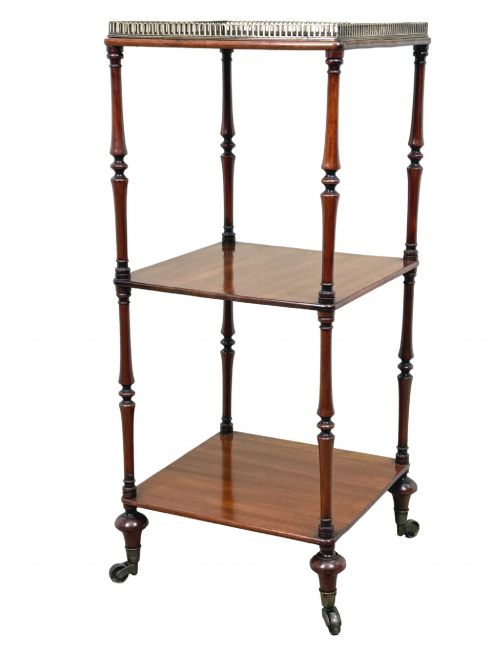
- Whatnot
- An open set of tiered shelves used for displaying ornaments or holding books, sometimes fitted with a small drawer.
- Gueridon
- A small decorative French table, often supported by a single central column or figural standard in the Empire style.
- Teapoy
- A small box or chest on a stand, originally designed for storing and blending loose tea leaves.
Early Nineteenth Century Table: Frequently Asked Questions
What is a drum table used for?
A drum table served as a revolving library or writing table in the home, featuring multiple frieze drawers around its deep circular top. Wealthy owners placed them in studies or libraries to store stationery, books, and writing implements.
Today, these tables function effectively as centre pieces or lamp tables in a living room, where their drawers remain practical for modern storage needs.
What is the difference between Regency and Victorian tables?
Regency tables lean towards classical architectural restraint, featuring brass inlay, rosewood veneers, saber legs, and clean geometric lines influenced by ancient Greece and Rome. They date from the early part of the century.
Victorian tables often display heavier proportions, darker woods like burr walnut, and elaborate carving in revivalist styles such as Rococo or Gothic, reflecting mid-century manufacturing shifts.
Where should I place an occasional table?
An occasional table is designed to be moved easily around a room to serve immediate needs next to a seating area. They suit positions beside armchairs or sofas to hold lamps, drinks, or small decorative items.
Their compact footprints, particularly tripod and wine table formats, allow them to fit into corners or narrow spaces where larger furniture cannot go.