




Early Nineteenth Century Dresser
An early nineteenth century dresser brings practical storage and regional character to a room, uniting timber and craftsmanship from the Georgian and Regency periods.
Early Nineteenth Century Dresser
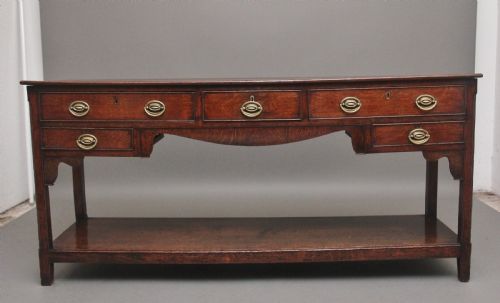
When buyers search for an early nineteenth century dresser, they encounter sturdy timber furniture shaped by regional traditions across Britain and Europe. The selection spans robust oak Welsh and Irish pieces, alongside French and Swedish provincial examples.
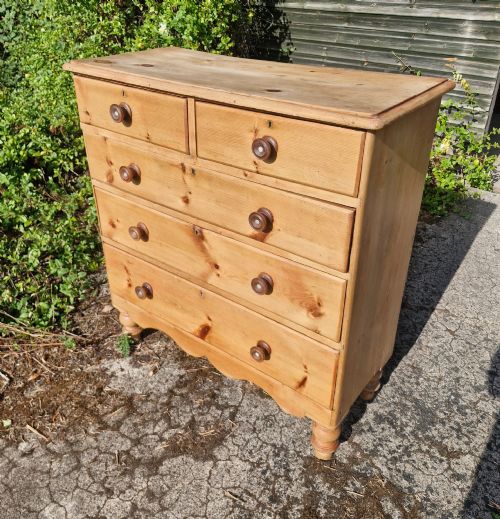
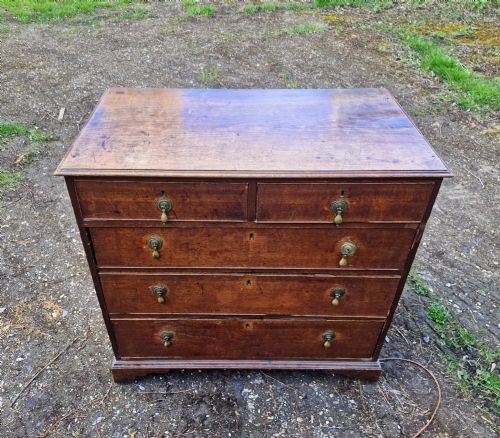
Chest of drawers forms also populate the range, often listed under the broader dresser category in oak, mahogany, pine, and satin birch. These pieces reflect the domestic storage needs of the period through straightforward utility and regional construction.
How they were made
Cabinet makers relied on solid regional timbers such as oak, mahogany, fruitwood, and pine, occasionally incorporating bone or brass details. Construction methods relied on traditional joinery suited to heavy domestic use.
Surfaces display the natural grain of the wood, sometimes enhanced with inlay work or polished to a warm finish. Structural components remain honest to the period, using native woods for both primary facades and internal framing.
Early Nineteenth Century Dresser Retail Price Guide 2026
Typical asking prices for early nineteenth century dresser among the pieces listed under this phrase on Sellingantiques today, from the lower quarter to the upper quarter. They describe what is for sale here now, not the wider market.
Recorded periods span the early nineteenth century, encompassing Georgian, Regency, Victorian, and provincial European designs.
What varies in quality
The distinction between standard and superior pieces rests on the choice of timber and the sophistication of the joinery. Pieces utilising figured mahogany, satin birch, or well-selected oak demonstrate greater ambition from the maker.
Proportion and surface preservation also dictate the standing of an item. Refined detailing, such as crisp inlay work or well-preserved brass hardware, separates simpler utility furniture from more accomplished examples.
The Early Nineteenth Century Dresser Glossary
- Bowfront
- A convex, curved front on a chest of drawers or cabinet. This shape became popular during the Regency period.
- Dresser base
- The lower portion of a traditional dresser, featuring drawers and cupboards without the upper plate rack. These served as utilitarian work surfaces and storage units.
- Satin birch
- A pale, lustrous hardwood utilised for cabinet making during the nineteenth century. It provides a distinct golden tone compared to darker timbers.
- Fruitwood
- Dense timber gathered from fruit-bearing trees such as apple or pear. Provincial makers utilised it alongside oak for regional cupboards and storage.
Early Nineteenth Century Dresser: Frequently Asked Questions
What is an early nineteenth century dresser?
These items comprise utilitarian wooden storage furniture, including oak dresser bases and related chests of drawers from the Regency and early Victorian eras.
They reflect the domestic requirements of homes in Britain, Ireland, France, and Sweden during the 1800s and 1850s.
How were these dressers used historically?
Households relied on them for storing household provisions, linens, and tableware in kitchens, sculleries, and chambers. The sturdy surfaces also functioned as counters for food preparation or display.
Provincial examples often served central roles in rural farmhouses and town dwellings alike.
How do I care for antique timber?
Keep wooden surfaces away from direct heat sources and strong sunlight to prevent the timber from drying out or splitting. Gentle dusting with a dry cloth maintains the finish.
Avoid modern chemical polishes that can build up and soften the historic surface over time.
How can I tell the regional origin?
Regional differences appear in the choice of native woods, such as fruitwood and oak in French and Welsh pieces, or distinctive inlay work on Swedish examples. Construction methods and hardware styles also point to specific local traditions.
Comparing timber density and drawer configuration helps identify the likely workshop origin.