

Early Georgian Painting
Early georgian painting brings tangible presence to the eighteenth century through oil on canvas portraiture and rural scenes.
Materials and technique
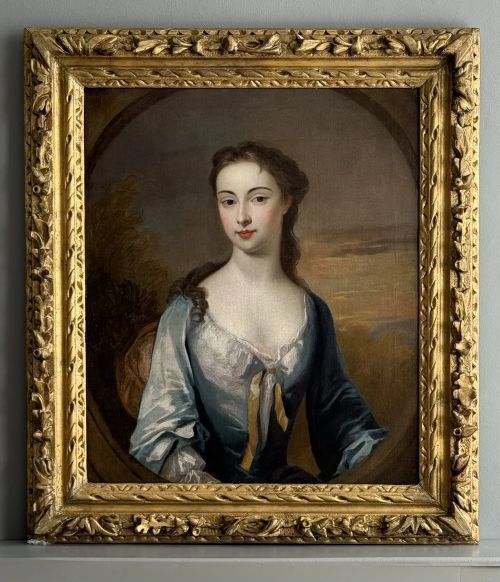
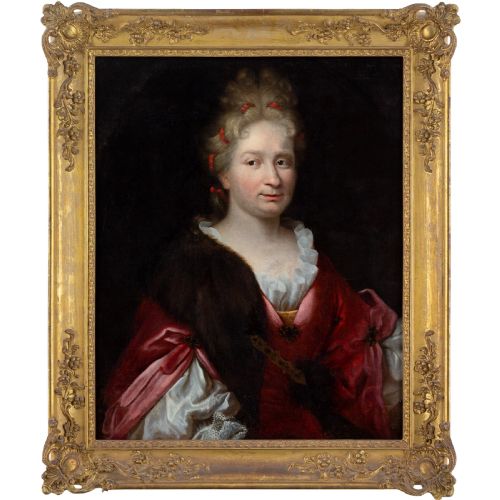
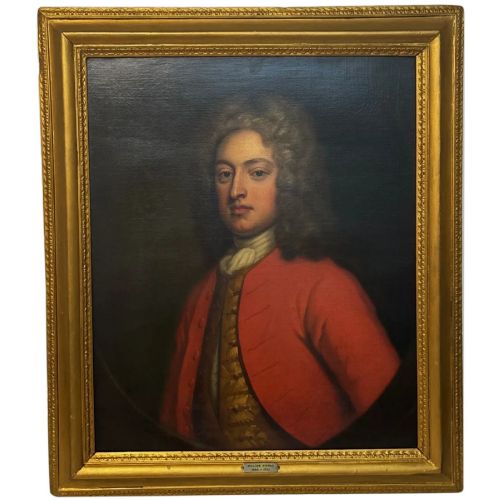
Artists painted primarily in oil on hand-woven canvas, utilising ground mineral pigments bound in linseed oil over a prepared gesso ground. Canvases were stretched across timber frames and secured with handmade iron tacks before application of the priming layer. Painters built compositions through successive layers of opaque underpainting and translucent glazes to achieve depth in drapery and skin tones.
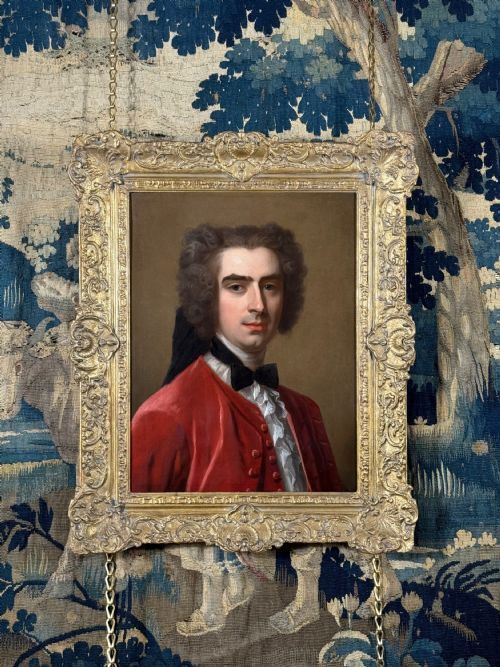
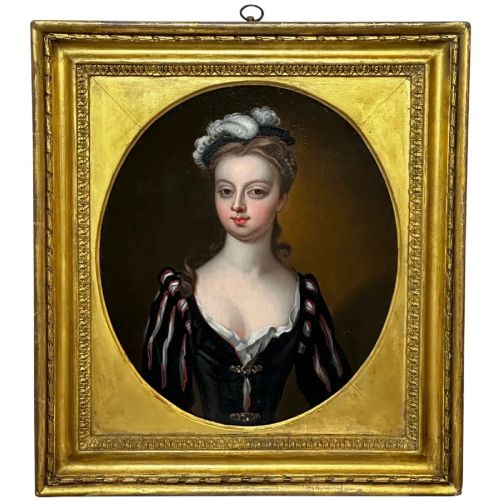
Portraits frequently incorporated carved wooden frames finished with gold leaf or giltwood to complement the domestic interiors of country houses. Pigments derived from natural earths, minerals, and organic sources provided the distinctive muted palette observed in eighteenth-century works. Subsequent generations sometimes applied varnish layers that yellowed over time, altering the original balance of blues and reds.
Assessing quality and condition
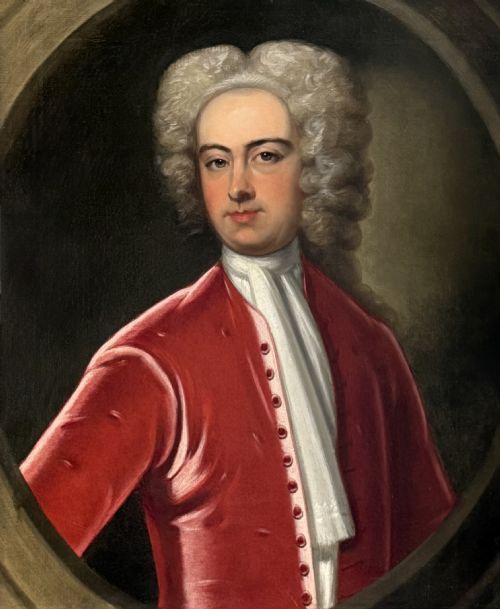
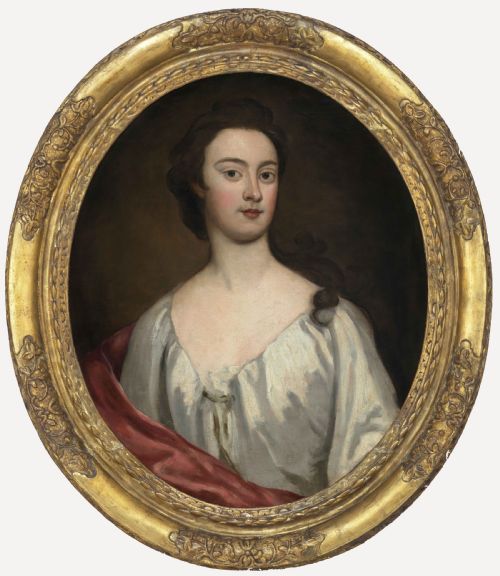
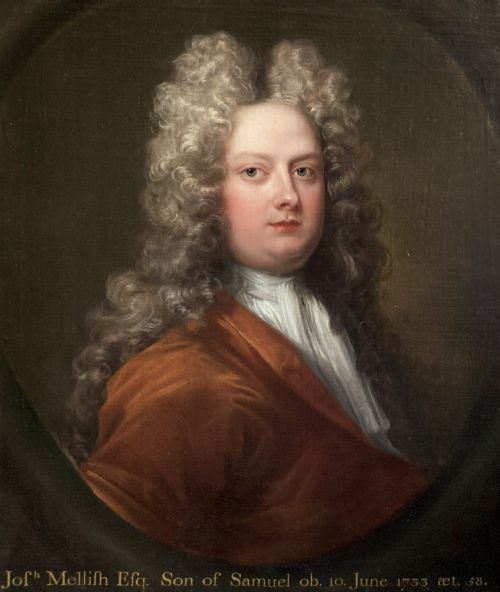
Quality rests principally in the execution of the subject's hands, face, and drapery, distinguishing master hands from provincial copyists. Superior canvases exhibit confident brushwork and anatomical precision, whereas weaker examples display rigid posture and flat rendering of garments. The preservation of the original paint surface without extensive overpainting dictates the historical integrity of the piece.
The frame provides contextual value, with period giltwood mouldings enhancing the presentation of an oil painting. Condition reports note the presence of craquelure, tears in the canvas, and historical repairs to the wooden stretcher framework. Works retaining their original stretched canvas and undisturbed varnish layers command greater attention from serious collectors.
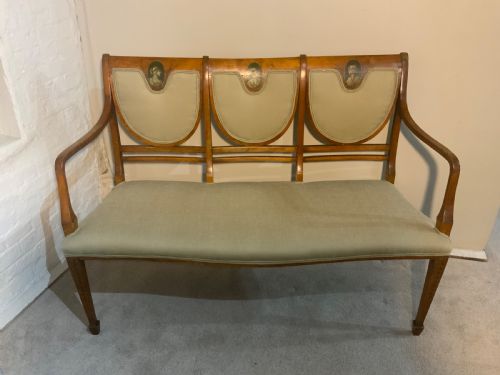
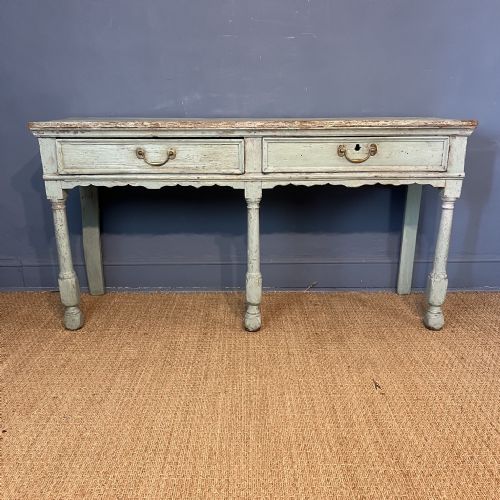
Listings feature oil on canvas, giltwood frames, and painted pine furniture from the eighteenth century.
Charles Jervas·Jean Baptiste Van Loo·John Vanderbank·Charles D Agar·Michael Dahl
The Early Georgian Painting Glossary
- Oil on canvas
- Pigments mixed with a drying oil applied to a woven fabric support. This technique became the primary medium for elite portraiture and landscape art from the seventeenth century onward.
- Giltwood
- Timber carved and coated with gold leaf or gold paint. It frequently forms the decorative frames associated with grand eighteenth-century portrait paintings.
- Craquelure
- A fine network of microscopic cracks appearing across the surface of aged oil paint and varnish. It serves as a natural indicator of age and material shrinkage over centuries.
- Relining
- A conservation process where a deteriorated original canvas is adhered to a new backing canvas for structural support. This procedure stabilises fragile works against further degradation.
Early Georgian Painting: Frequently Asked Questions
How do I identify an early georgian painting?
Examination of the canvas weave, stretcher construction, and pigment composition provides the primary clues for dating a work. Costume details, such as wigs, cravats, and mantua gowns, offer reliable chronological markers.
Comparison with documented portraits by contemporary artists helps verify attribution and regional origin. X-ray radiography sometimes reveals underdrawing or earlier compositional changes beneath the final paint layer.
Where were these paintings displayed originally?
These works hung in the panelled parlours, stair halls, and long galleries of English country houses and town residences. They served to project family lineage, social status, and political allegiance to visiting guests.
Later collectors transferred them to smaller domestic interiors where single portraits functioned as focal points above mantelpieces. Their scale was deliberately chosen to complement the proportional architecture of eighteenth-century rooms.
How should I care for an oil painting?
Protect the canvas from direct sunlight, high humidity, and rapid temperature fluctuations to prevent warping of the wood stretcher and cracking of the paint. Dust the surface gently with a soft, dry brush without applying pressure.
Avoid using liquid cleaners or household solvents on the paint layer, as these substances dissolve historical varnishes. Professional conservators should handle any structural repairs or cleaning procedures.
What subjects besides portraits appear in this period?
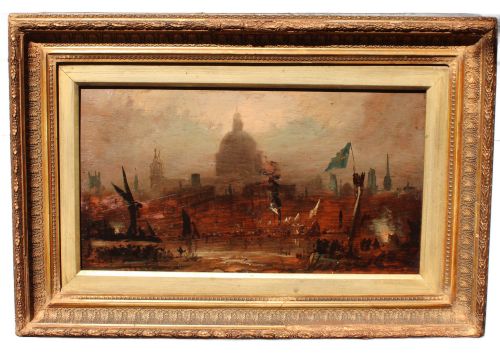
Painters recorded sporting scenes, farmyard views, architectural capriccios, and topographical landscapes alongside formal human likenesses. Commissioned works often documented prized livestock, hunting dogs, and landed estates.
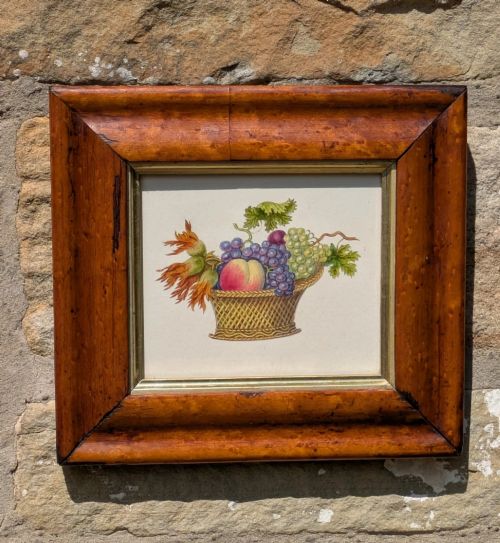
Still life compositions featuring fruit and household objects also circulated among affluent merchant classes. These diverse genres reflect the expanding patronage of the Georgian era.