



Early George III Furniture
Early George III furniture brings substantial mahogany and oak design into a room, offering practical storage and display forms that anchor a traditional interior.
Early George III Furniture
Early George III furniture encompasses pieces produced during the Georgian era, spanning the eighteenth century and the transition into the nineteenth century. Buyers searching for early George III furniture encounter utilitarian and formal domestic items, from bookcases and wardrobes to occasional tables and canterburys.
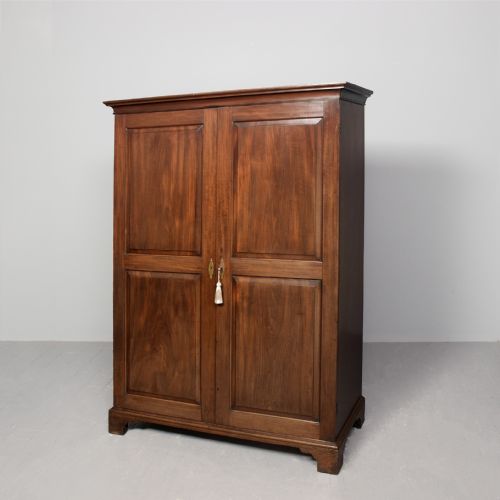
The selections on this page centre on mahogany, oak, and solid walnut constructions, reflecting the primary timbers utilised by makers of the period. Forms range from compact etagere units and miniature chests of drawers to large press wardrobes and library bookcases.
How these pieces were made
Construction relies heavily on dense mahogany and sturdy oak, often shaped into slender columns, tripod bases, and fold-down mechanisms. Joinery methods of the period prioritized durability, utilising solid timber panels and internal bracing to support heavy library volumes and linen storage.
Hardware details incorporate brass fittings, such as handles and castors, which complement the dark grain of the wood. Glass panels feature in bookcase doors, while secondary timbers provide structural stability to drawers and internal shelving.
A dumb-waiter serves drinks silently, proving that even eighteenth-century furniture could handle a quiet evening at home.
What varies in quality
Quality differences rest primarily in the selection of timber figures and the restraint or elaboration of carved details on the surface. Pieces displaying well-figured mahogany or richly patinated oak command attention through the natural depth of the grain rather than excessive ornamentation.
Proportion and scale separate standard utility items from finer domestic examples, particularly in compact forms like miniature chests and card tables. The crispness of turning on tripod table columns and the integration of brass hardware further distinguish the tiers of craftsmanship.
The Early George III Furniture Glossary
- Tripod table
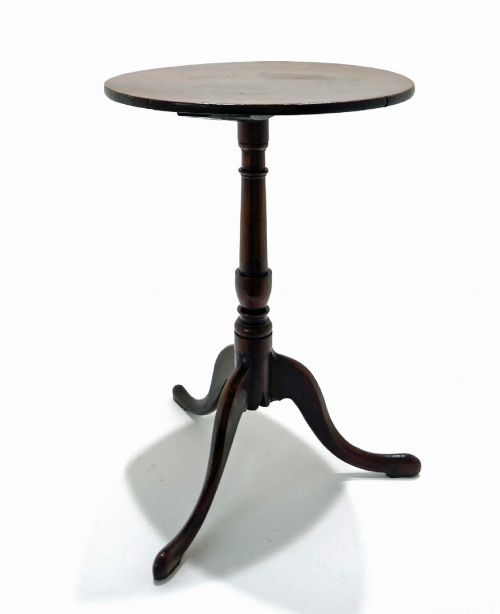
- A small freestanding table supported by a central pillar resting on three legs. These tables often feature slender columns and tilt-top mechanisms for storage.
- Canterbury
- A low stand fitted with divisions for holding sheet music, books, or magazines. This form frequently incorporates a small drawer beneath the slatted compartments.
- Press wardrobe
- A large storage cabinet combining hanging space or shelving with sliding trays enclosed by doors. These units are typically constructed in mahogany or oak.
- Etagere
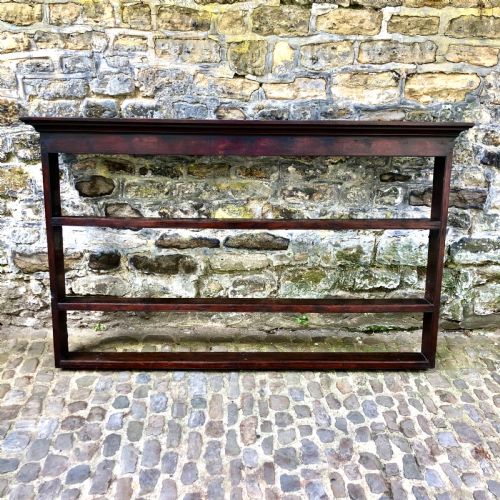
- An open tiered shelving unit used for displaying small decorative objects or books. Examples from this period often appear in compact scales.
- Dumb-waiter
- A tiered revolving table designed to hold serving dishes or drinks without requiring a servant at the table. These pieces utilise circular wooden trays on central pedestals.
Early George III Furniture: Frequently Asked Questions
What defines early George III furniture?
Early George III furniture comprises items produced during the reign of George III, encompassing the eighteenth century and the early decades of the nineteenth century. These pieces reflect the prevailing neoclassical and Georgian design idioms of British craftsmanship.
The materials are predominantly solid mahogany, oak, and walnut, utilised in functional domestic forms ranging from libraries to dining rooms. Each piece demonstrates the construction techniques and proportions typical of this extended period of British cabinet-making.
How were canterburys used?
Canterburys served as portable stands designed to hold sheet music, folios, or books near a piano or seating area. The slatted vertical divisions kept items upright and accessible within the drawing room.
Many examples include a low drawer at the base for smaller accessories. They highlight the multifunctional nature of domestic furnishings during the Georgian era.
How do I care for mahogany surfaces?
Mahogany surfaces require minimal intervention, benefiting from regular dusting with a soft, dry cloth. Avoiding direct sunlight and maintaining stable room humidity preserves the natural patina and prevents timber shrinkage.
Occasional application of appropriate wax polish maintains the lustre of the wood grain without building up a heavy residue. Gentle maintenance ensures the finish ages naturally over time.
How do I date a piece?
Dating relies on examining construction methods, timber choices, and hardware styles alongside overall proportions. The transition from solid oak and walnut towards widespread mahogany use provides a broad chronological marker for these items.
Secondary woods inside drawers and the presence of hand-cut joints offer further clues to the period of manufacture. Comparing the form against documented Georgian prototypes helps narrow the window of origin.