




Early English Porcelain
Early english porcelain brings together centuries of fired clay and soft pastes, holding the domestic and decorative history of domestic tables in hand.
Early English Porcelain
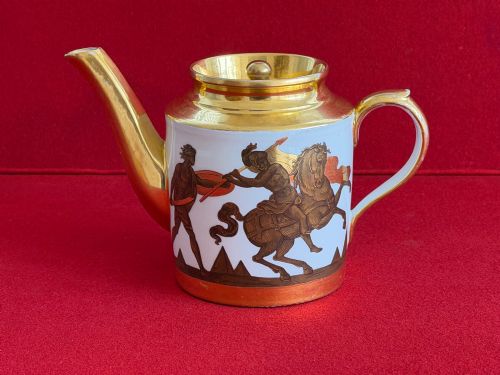
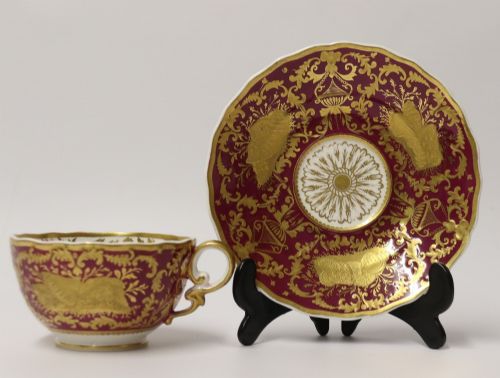
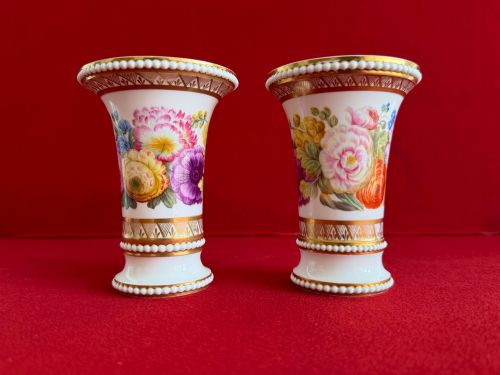
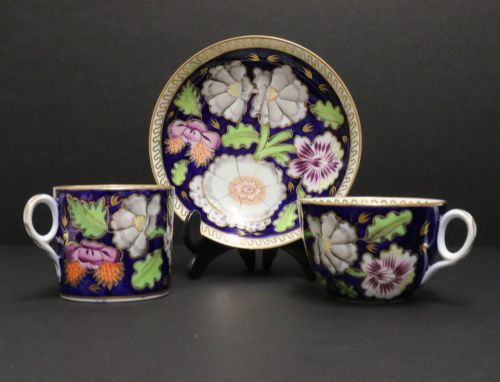
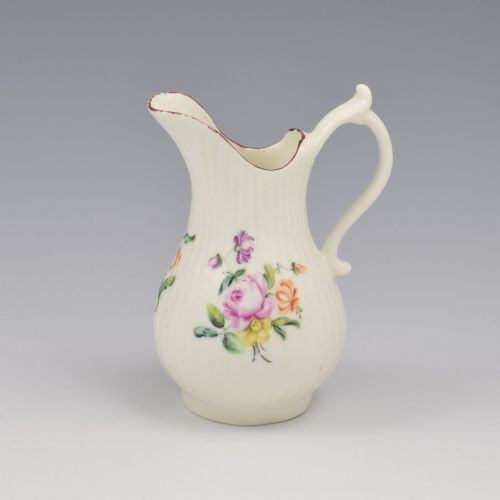
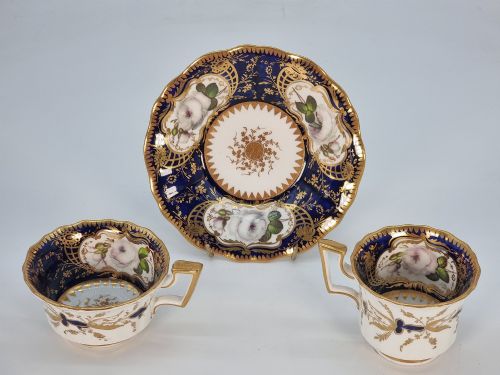
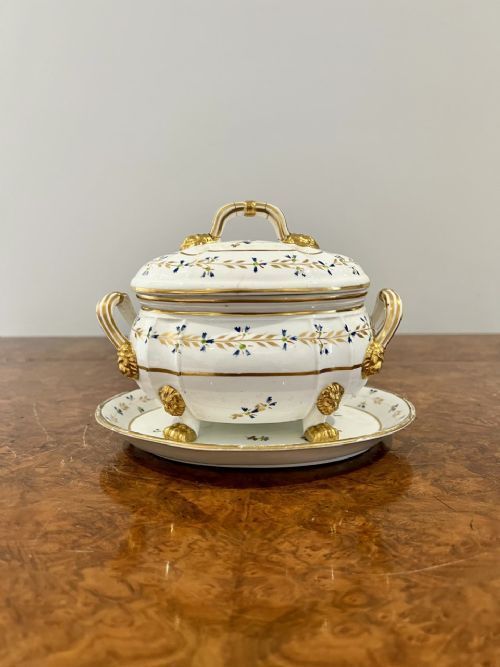
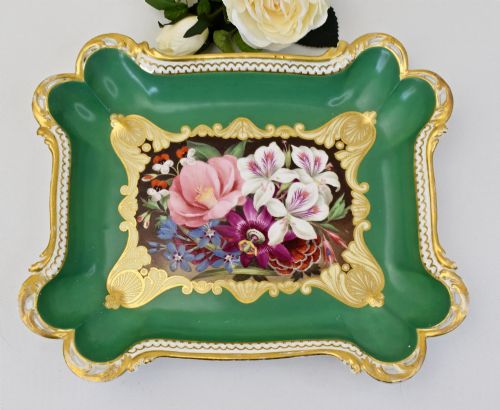
Early english porcelain spans utilitarian tablewares and decorative figures originating from eighteenth and nineteenth-century kilns. The pieces on this page include cream jugs, cabinet trios, figures, and plates made during the Georgian and Regency periods.
Buyers commonly encounter soft-paste porcelain, bone china, and enamel-decorated vessels from manufactories operating across England. Forms range from utilitarian sauceboats and coffee cans to sculptural figures like shepherds and classical deities.
Materials and manufacture
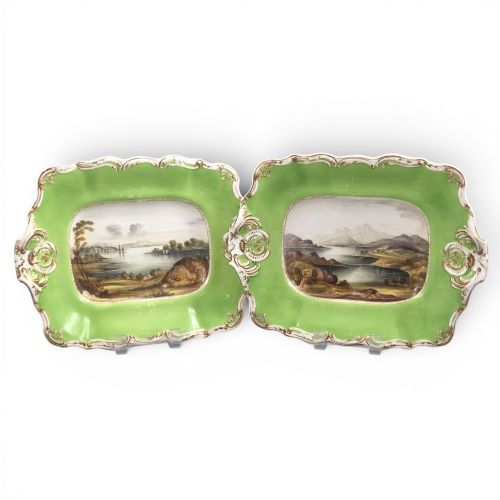
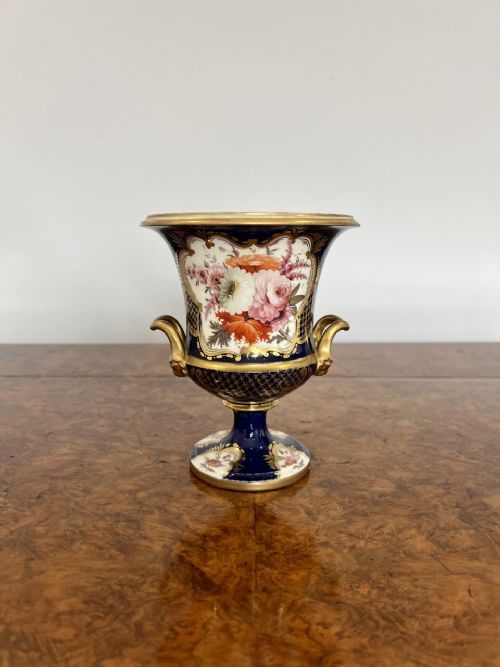
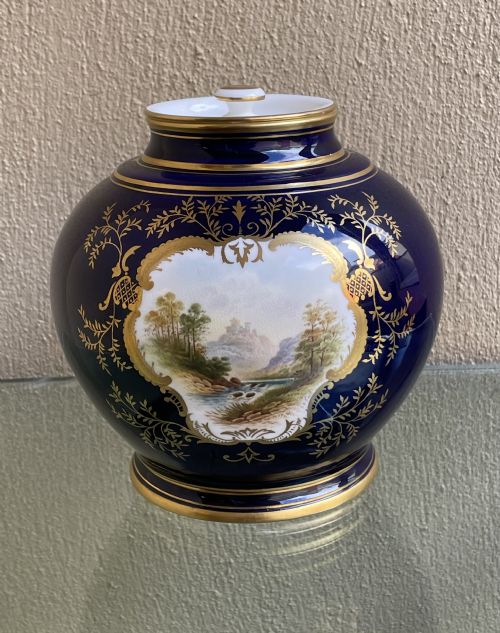
Makers utilised soft-paste porcelain and bone china bodies, shaping them by hand or throwing on wheels before applying enamel paints and gilding. Gold leaf and gilt highlights frequently accent hand-painted landscape, botanical, and dragon motifs.
Firing techniques evolved across the periods represented here, moving from early eighteenth-century soft-paste formulas toward robust bone china bodies by the nineteenth century. Glazes were applied over painted designs or directly onto biscuit porcelain figures.
Early English Porcelain Retail Price Guide 2026
Typical asking prices for early english porcelain among the pieces listed under this phrase on Sellingantiques today, from the lower quarter to the upper quarter. They describe what is for sale here now, not the wider market.
Father Time clips Cupid's wings in porcelain, leaving mythological drama frozen mid-snip for the drawing room mantelpiece.
Judging execution and artistry
Quality rests upon the precision of the hand-painted brushwork and the refinement of the porcelain body itself. Crisp botanical studies and detailed landscape panels indicate superior workshop output compared to standard transfer-printed wares.
Sculptural figures show distinction in the crispness of the moulded details and the control shown in pastel enamel washes and gilt highlights. The balance of the form and the clarity of the glaze signal the skill of the potter.
Wedgwood·Derby·Newhall·Coalport·Minton·Spode·Copeland and Garrett·Doe and Rogers·Royal Worcester·Mason·Bow·Barr Flight and Barr
The Early English Porcelain Glossary
- Soft-Paste Porcelain
- A vitreous ceramic composition fired at lower temperatures than hard-paste porcelain, common in eighteenth-century English works. It often presents a warm, creamy translucency under the glaze.
- Bone China
- A hybrid porcelain incorporating bone ash into the clay body to increase strength and whiteness. This material dominated nineteenth-century production for fine tablewares.
- Cabinet Trio
- A matching set comprising a teacup, coffee cup, and saucer designed for display in a cabinet rather than daily tea service. These pieces usually display intricate hand-painted views.
- Biscuit Porcelain
- Unglazed fired ceramic possessing a matte, marble-like finish. Figures and sculptural groups were frequently left in the biscuit state to highlight fine modelling.
- Gilt
- A thin layer of gold applied to ceramic surfaces for decoration. It appears as delicate line work or solid borders on plates, cups, and vases.
Early English Porcelain: Frequently Asked Questions
How do I care for early porcelain?
Wash these fragile pieces gently by hand in warm water using mild soap, avoiding modern dishwashers entirely. Keep them away from sudden temperature shifts to protect the historic glaze and gilding.
Display them securely on stable surfaces or within enclosed cabinets where dust and accidental knocks are minimised. Handle plates and hollowwares by their bodies rather than delicate handles or rims.
What is the difference between soft-paste and bone china?
Soft-paste porcelain contains glass frit and white clay, creating a softer body with a distinctive warm translucency common in eighteenth-century pieces. Bone china integrates calcined bone ash, resulting in a whiter, stronger material developed around the turn of the nineteenth century.
Examining the footrim or unglazed areas helps distinguish the two bodies by texture and light transmission. Soft-paste pieces often display slight kiln warping due to the lower firing thresholds.
How were cabinet trios used?
Cabinet trios were produced for display in drawing room vitrines rather than everyday dining use. The pairing of two cup styles with a matching saucer demonstrated the owner's refined taste.
These sets frequently feature hand-painted botanical studies, armorial crests, or topographical landscapes intended for close visual appreciation.
How do I identify a period figure?
Period figures like shepherds, deities, and animals are classified through their modelling style, glaze characteristics, and base construction. Eighteenth-century examples often employ soft-paste bodies with patch marks from kiln supports.
Nineteenth-century figures transition toward harder bone china bodies and more vibrant enamel palettes. Subject matter also shifts alongside changing neoclassical and romantic tastes.