



Early English Pearlware
Early English pearlware brings refined ceramic artistry to your home, offering distinctive tableware and figures defined by a characteristic bluish glaze.
Early English Pearlware
When you search for early english pearlware, you encounter a diverse selection of ceramic items produced during the Georgian and 19th Century periods. These pieces span practical tableware and decorative objects, including jugs, platters, baskets, and figurative groups.
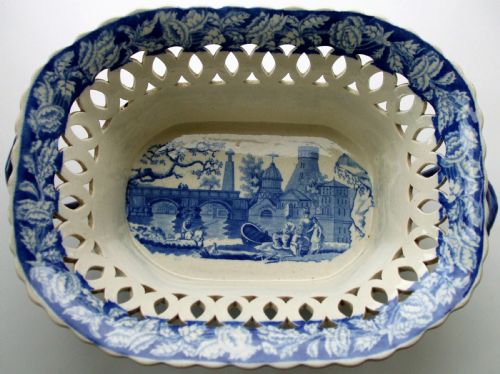
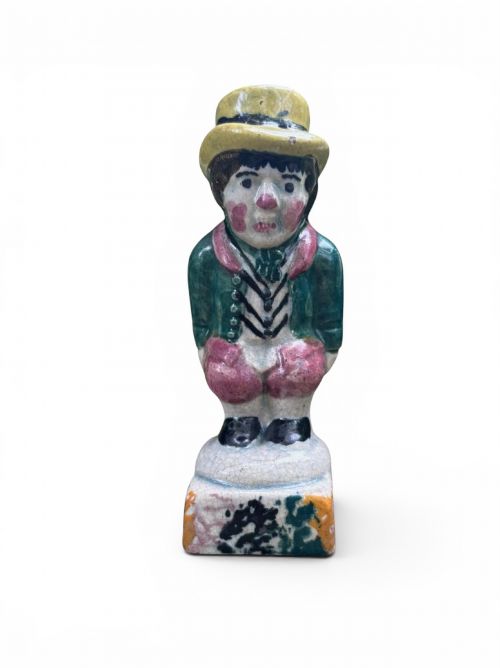
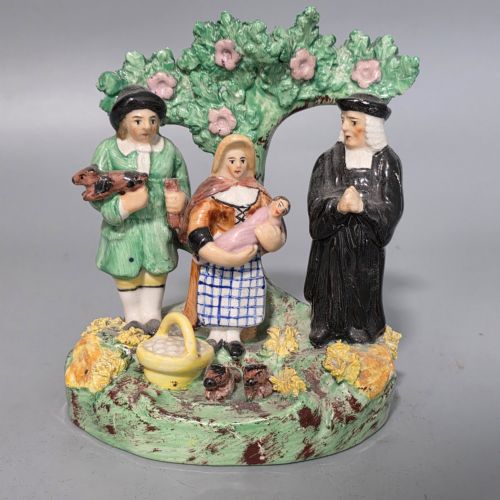
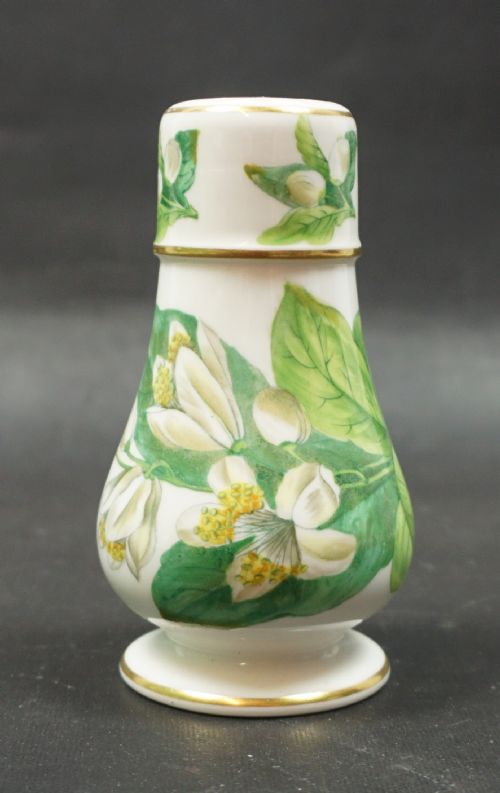
The objects on this page originate predominantly from Staffordshire potteries and related English makers. Forms range from utilitarian tea bowls and pepper pots to elaborate sculptural figures and pierced chestnut baskets.
Most examples date from the late 18th century through the early decades of the 19th century. Buyers frequently find transfer-printed scenes, hand-painted motifs, and moulded leaf designs characteristic of this era.
Materials and production techniques
Potters manufactured these items using refined earthenware bodies coated in a distinctive pearl glaze. Cobalt oxide added to the clear lead glaze pooled in crevices to create a bluish tint that distinguishes pearlware from earlier creamware.
Decoration involved several skilled techniques, including underglaze blue and white transfer printing, overglaze enamel painting, and lustre highlights. Artisans also utilised cabbage leaf moulding and applied gold leaf for added ornamentation.
Listings feature various forms including chestnut baskets, tea bowls, pepper pots, and figural groups decorated with blue and white transfer printing and lustre.
Assessing quality in pearlware
Quality depends upon the crispness of the moulding and the clarity of the transfer-printed or hand-painted decoration. Finer pieces exhibit sharp details in figural groups and well-defined lines in transfer scenes without blurring.
The application and evenness of the pearl glaze significantly influence visual appeal. Superior examples display a balanced distribution of the bluish pooling, enhancing the underlying ceramic relief.
J. and R. Clews·Sewell·Walton
The Early English Pearlware Glossary
- Pearlware
- A refined earthenware developed in the late 18th century featuring a white body and a glaze with a faint bluish tint. This innovation provided a closer approximation to imported Chinese porcelain than creamware.
- Transfer printing
- A method of applying intricate designs to ceramics by transferring inked engravings from a copper plate onto paper and then onto the fired clay body. This technique allowed for consistent reproduction of complex pictorial scenes.
- Prattware
- A type of earthenware decorated with coloured underglaze metallic oxides, typically blue, ochre, brown, and green. It frequently appears on figures and small vessels from the late 18th and early 19th centuries.
- Pounce pot
- A small container with a perforated lid used for sprinkling fine powder over parchment to dry wet ink or prepare writing surfaces. These desk accessories appear in ceramic forms during the Georgian period.
- Chestnut basket
- A pierced ceramic vessel designed for serving chestnuts or fruit at the table, often accompanied by a matching underplate. These baskets showcase intricate openwork and moulded decoration.
Early English Pearlware: Frequently Asked Questions
What is early english pearlware?
Early english pearlware is a type of refined earthenware produced in England from the late 18th century through the 19th century. It is characterised by a whitish body covered in a glaze containing a small amount of cobalt, which creates a subtle blue tint.
Potters used pearlware to create a wide variety of utilitarian and decorative items, substituting it for heavier creamware. Its smooth surface proved ideal for both detailed hand painting and intricate blue and white transfer printing.
How do I identify pearlware?
Identification relies on examining the glaze where it pools around the base, handles, or crevices of the object. A faint bluish tinge indicates pearlware rather than creamware or later white earthenware.
Form, decoration style, and manufacturing techniques also help determine the period. Many pieces feature transfer-printed patterns, moulded plant motifs, or Prattware colouring typical of the Georgian era.
How were pearlware baskets used?
Chestnut and fruit baskets served as functional table centerpieces during formal Georgian meals. Their pierced walls allowed air circulation around fresh produce or roasted chestnuts.
These decorative vessels often sat upon matching platters to catch debris and enhance the tablescape. Today, collectors display them as standalone decorative items.
How do I care for pearlware?
Careful handling is essential due to the fragile nature of historic ceramics and delicate glazes. Display pieces away from direct sunlight and areas prone to extreme temperature fluctuations.
Cleaning should be done by hand using mild, neutral soap and lukewarm water when necessary. Avoid harsh abrasives, scrubbing brushes, and automatic dishwashers to preserve the historic glaze and enamel details.