

Early English Oak Carving
Early english oak carving brings the weight of centuries into a room through dense timber and hand-chiselled detail.
Early English Oak Carving
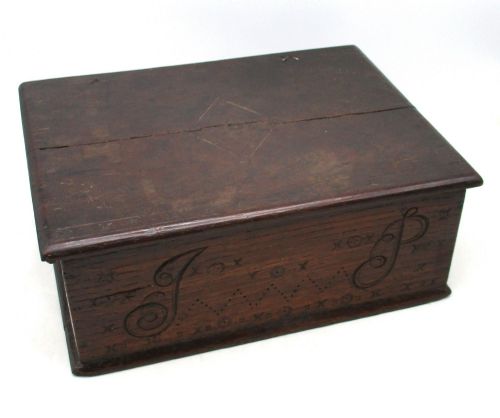
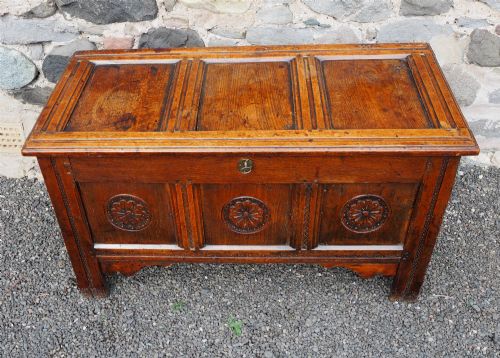
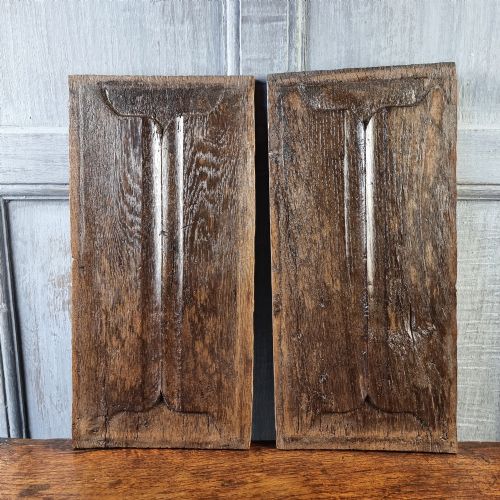
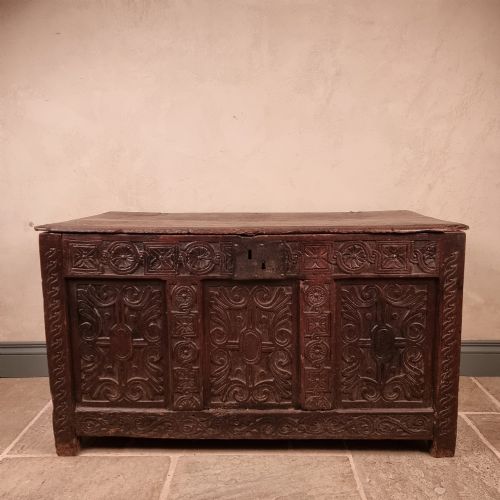
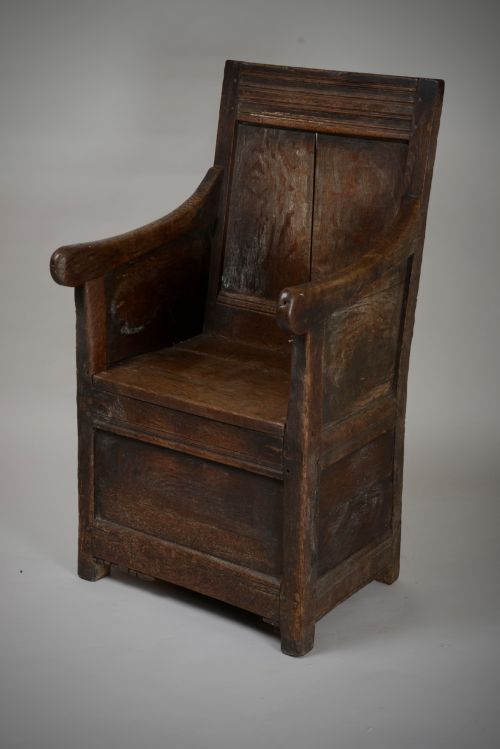
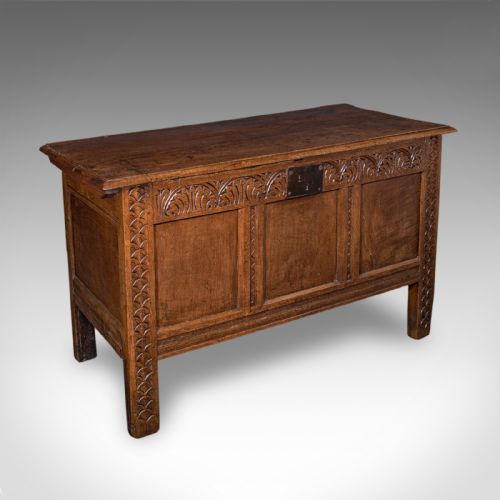
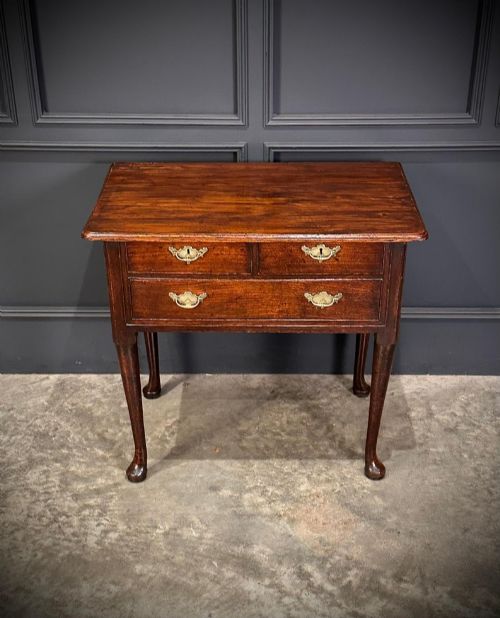
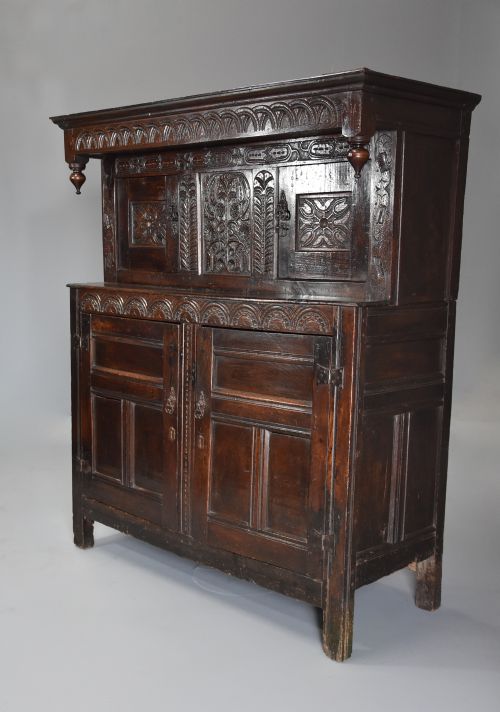
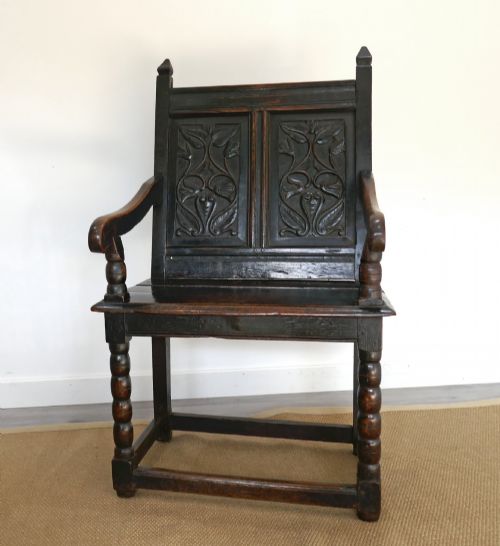
Early english oak carving encompasses functional household objects and architectural elements made from solid timber, predominantly originating from the sixteenth, seventeenth, and early eighteenth centuries. Buyers encounter items such as panelled coffers, wainscot chairs, joint stools, document boxes, and figurative wall panels executed in Jacobean, Tudor, and English Country styles.
The material vocabulary centres firmly on sturdy hardwoods, principally oak alongside occasional elm, sycamore, and fruitwood inlay. Iron and brass appear as functional mounts, hinges, and hardware on boxes, chests, and longcase clocks.
How they were made
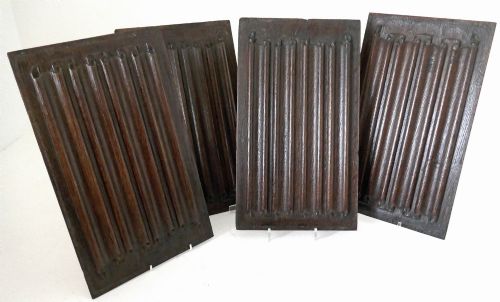
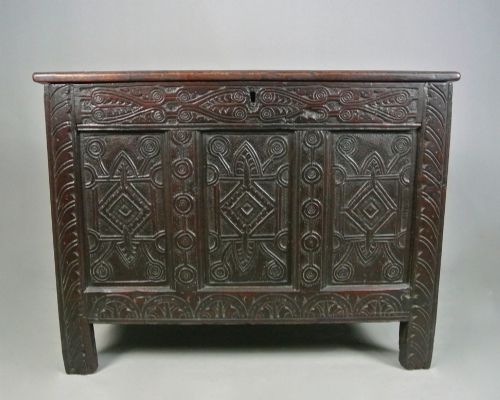
Craftsmen built these items using solid oak and related hardwoods, shaping structural elements with hand tools before applying surface ornamentation. Panels, coffers, and chairs display deeply incised carving, geometric mouldings, and linenfold motifs executed directly into the timber.
Joinery relied on traditional methods including mortise and tenon joints secured with wooden pegs. Iron and wrought iron components were forged by hand to reinforce lids, doors, and functional mechanisms.
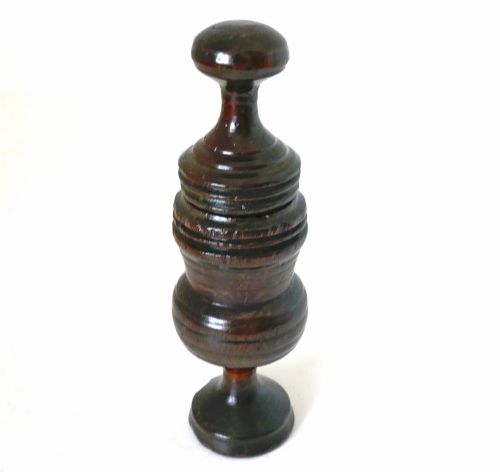
A tiny sycamore spice grinder from the seventeenth century proves that even historical domestic life required freshly milled seasonings.
What varies in quality
Quality rests in the crispness and depth of the hand-carved detail, the integrity of the original construction, and the presence of untouched surface patination. Pieces retaining their primary joins and unblemished carved panels demonstrate superior craftsmanship from their period.
Proportion and decorative ambition set exceptional examples apart from simpler utility items. Well-balanced proportions on small coffers, wainscot chairs, and figure carvings indicate higher workshop skill.
The Early English Oak Carving Glossary
- Coffer
- A heavy wooden chest used for storage, typically constructed with panelled sides and a hinged lid. These items often feature carved fronts characteristic of sixteenth and seventeenth-century joinery.
- Linenfold
- A style of relief carving mimicking folded cloth or linen, frequently seen on sixteenth-century panels. This motif adds texture and vertical movement to flat wooden surfaces.
- Wainscot chair
- A sturdy wooden armchair constructed with panelled backs and solid seats, common in seventeenth-century English interiors. They represent a high status of domestic seating before upholstered furniture became widespread.
- Joint stool
- A joined wooden stool built with pegged mortise and tenon joints rather than turned legs driven into a seat. These sturdy pieces served multiple household seating and support functions.
- Patina
- The surface sheen and colour developed over centuries through handling, wax application, and ageing. Original untouched patina signals historical authenticity.
Early English Oak Carving: Frequently Asked Questions
How do I identify a 17th-century oak coffer?
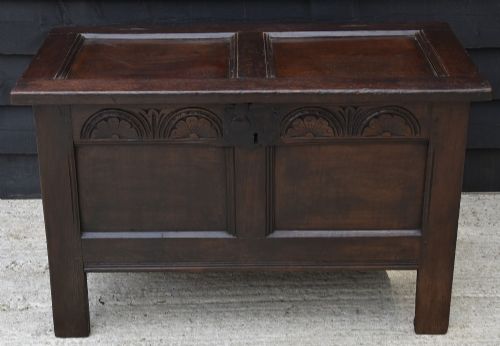
Seventeenth-century coffers display hand-cut peg joinery, thick hand-planed oak boards, and period-specific decorative carving like geometric panels or stylised foliage. Examining the interior reveals tool marks left by adzes and pit saws rather than modern mechanical milling.
Hardware such as wrought iron hinges and lock plates should match the period construction methods. Over time, genuine pieces develop a dark, rich patina across the exposed timber surfaces.
Where were wainscot chairs used?
Wainscot chairs stood in the principal rooms of substantial homes, serving as prominent seats for heads of households or honoured guests. Their solid wooden construction made them durable fixtures around large refectory tables or beside hearths.
Because they were costly to produce, owning such a chair reflected social standing and economic stability. Today, they function well as accent seating in studies or hallways.
What is a joint stool?
A joint stool is an engineered wooden seat constructed with straight legs connected by horizontal stretchers using pegged mortise and tenon joints. Carpenters built them to be exceptionally strong, allowing them to double as small side tables or stands.
They appear frequently in inventories alongside long dining tables where movable seating was required. Their simple geometric lines complement early oak furniture collections.
How should I care for antique oak furniture?
Maintain antique oak furniture by keeping it away from direct heat sources and dramatic humidity fluctuations that cause timber to split. Apply microcrystalline wax sparingly to nourish the wood and preserve the historical surface finish.
Avoid chemical polishes that strip away original patination and soften crisp carved details. Gentle dusting with a dry cloth keeps the surface clean without wearing down the wood.