






Early English China
Early English china gathers the cream jugs, cabinet cups, and botanical serving dishes shaped by Georgian, Regency, and Victorian potteries.
Early English China
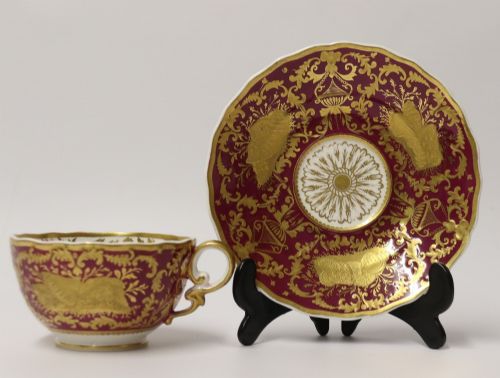
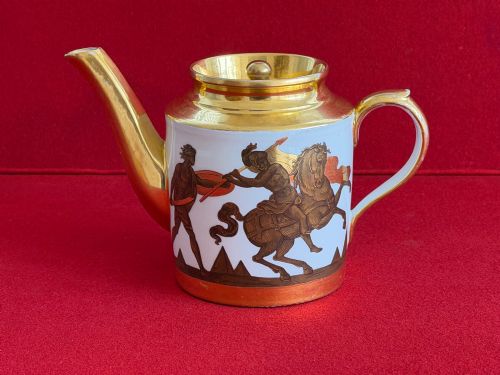
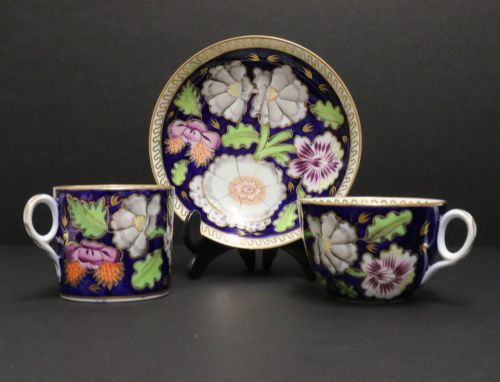
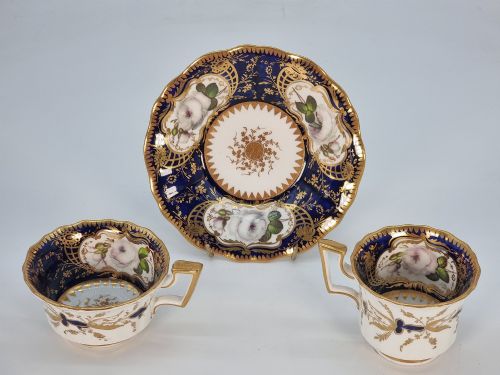
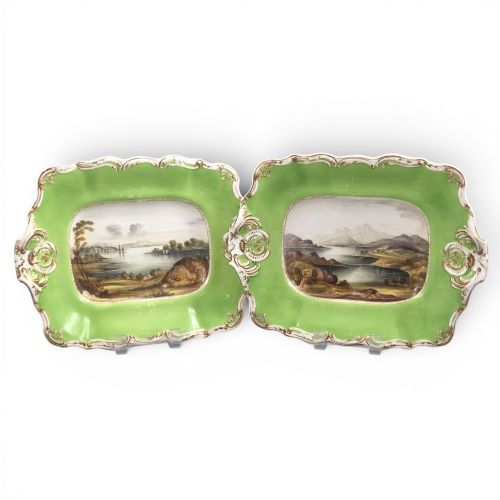
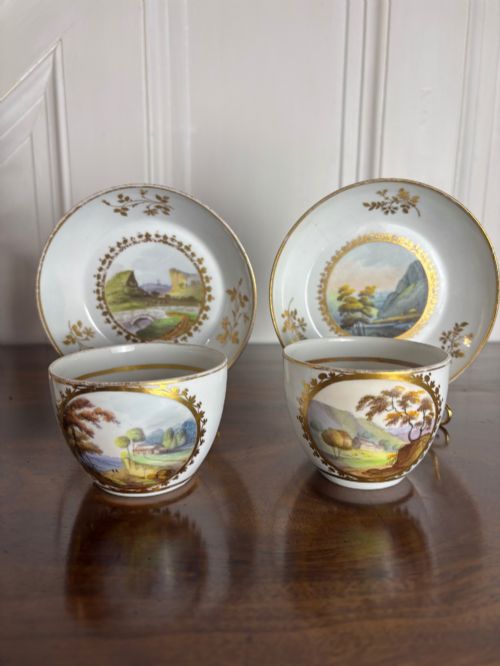
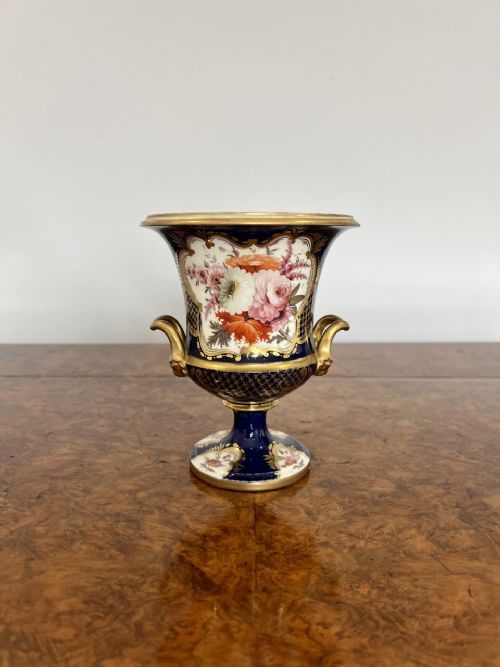
When you search for early English china, you encounter forms ranging from tea bowls and sauceboats to decorative plates and figurines. These pieces span the eighteenth, nineteenth, and early twentieth centuries, capturing shifts in domestic dining and display. The selection on this page leans heavily toward cabinet trios, serving dishes, and teacups originating from notable factories.
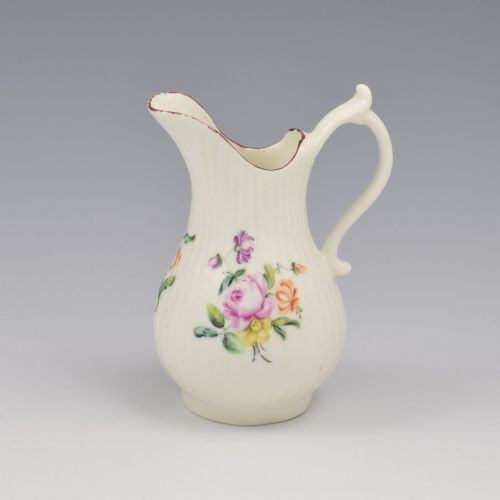
Makers such as Spode, Coalport, Worcester, and Derby dominate the physical evidence here. You meet shapes like fluted baluster cream jugs, twin-handled serving dishes, and octagonal bowls. Georgian and Regency pieces appear alongside Victorian and Edwardian works, tracing the evolution of British ceramic design.
Materials and production methods
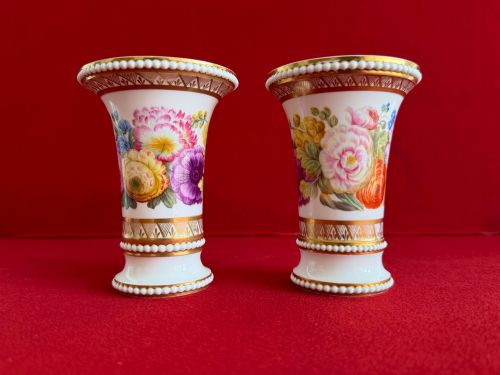
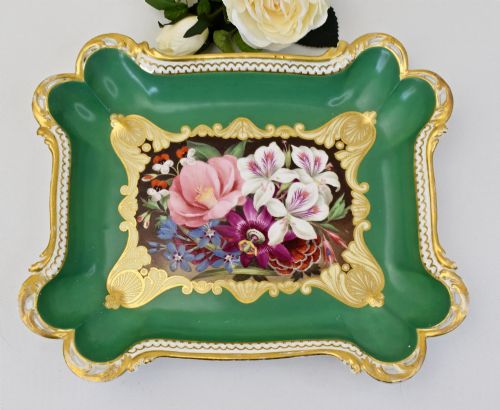
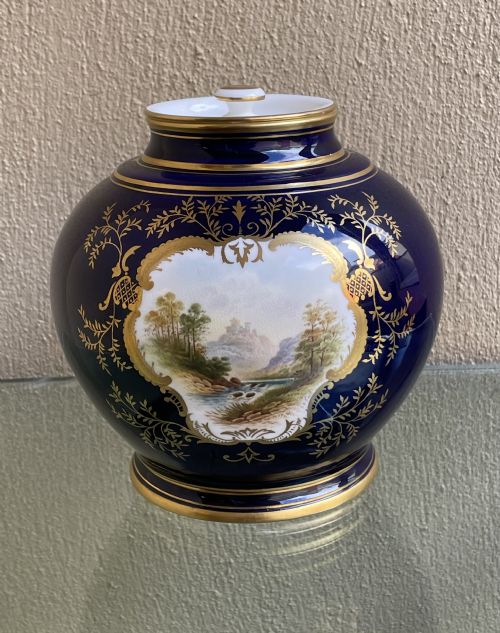
Potters utilised porcelain, bone china, and soft-paste porcelain as bodies for these wares. Hand-painting, transfer printing, and gilding with gold leaf applied surface decoration. Enamel colours brought botanical studies, armorial bearings, and landscape views to life on plates and trays.
Firing techniques varied across the eighteenth and nineteenth centuries, from early soft-paste bodies to refined bone china compositions. Artisans combined cobalt blue underglaze printing with overglaze enamel highlights, securing pigment permanence through multiple kiln firings.
Early English China Retail Price Guide 2026
Typical asking prices for early english china among the pieces listed under this phrase on Sellingantiques today, from the lower quarter to the upper quarter. They describe what is for sale here now, not the wider market.
A porcelain boy drummer from seventeen-forty-four beats a rhythm through the centuries in pastel hues.
Assessing craftsmanship and finish
Quality rests in the precision of the hand-painting and the clarity of the porcelain body. Hand-painted botanical motifs and detailed armorial transfers demand steady brushwork and sharp registration, distinguishing master works from simpler production runs.
The application of gilding and gold leaf separates standard utilitarian wares from cabinet pieces. Thick, burnished gilding shows deliberate finishing, whereas thinner applications wear down over decades of use and washing.
John Rose Coalport·Spode·Early Derby·Newhall·Minton·Doe and Rogers·Royal Worcester·Bow·Masons·Davenport
The Early English China Glossary
- Cabinet trio
- A matched set consisting of a teacup, coffee cup, and saucer designed for display rather than robust daily tea service.
- Soft-paste porcelain
- An artificial ceramic body composed of clay, glass frit, and white sand, fired at lower temperatures than hard-paste porcelain.
- Bone china
- A hybrid porcelain incorporating bone ash into the clay body, creating a durable, translucent material developed in England.
- Sauceboat
- A small ceramic vessel with a spout and handle, used at the dining table for serving gravies and sauces.
- Transfer printing
- A mechanical method of applying engraved designs to ceramics using paper and copper plates.
Early English China: Frequently Asked Questions
How do I care for early English porcelain?
Wash these pieces gently by hand in lukewarm water using mild soap, avoiding dishwashers entirely.
Store them securely in cabinets, keeping gilt-edged items away from direct contact with other ceramics to prevent scratching.
What distinguishes bone china from soft-paste?
Bone china contains calcined bone ash, which gives the material a higher durability and a whiter, more even translucency under strong light.
Soft-paste porcelain displays a warmer, slightly creamy tone and often shows subtle surface undulations or pooling in the glaze.
How were cabinet trios used?
Cabinet trios brought together a teacup, a coffee cup, and a saucer to accommodate different hot beverages served during formal gatherings.
Rather than sitting on daily dining tables, these matched sets often resided in glass-fronted furniture to showcase fine painting and gilding.
How can I tell the period of a piece?
Periods reveal themselves through a combination of paste composition, stylistic motifs like Rococo scrolls or Regency Chinoiserie, and factory marks.
Comparing pattern numbers and glaze textures against documented factory histories helps narrow down the manufacturing decade.