



Early Century Carriage
Early century carriage items span precision clocks, heavy iron ordnance and transport antiquities from the nineteenth and twentieth centuries.
Early Century Carriage
When you search for early century carriage, you encounter a diverse gathering of antique horology, transport models, lighting fixtures and decorative garden pieces. These items bridge domestic utility, railway travel and horological innovation across the Victorian, Edwardian and Art Deco eras.
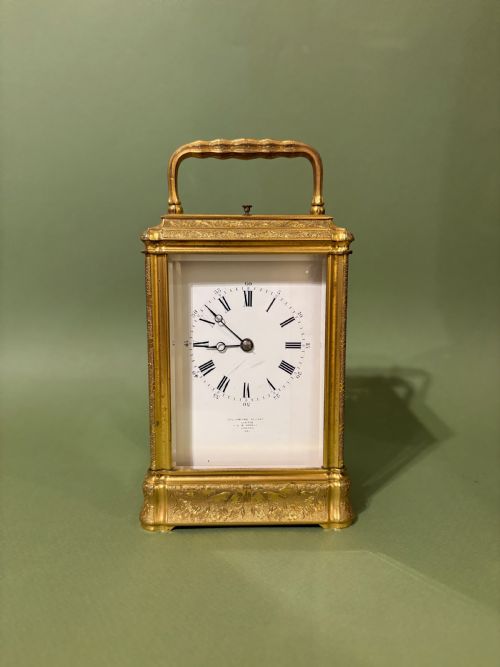
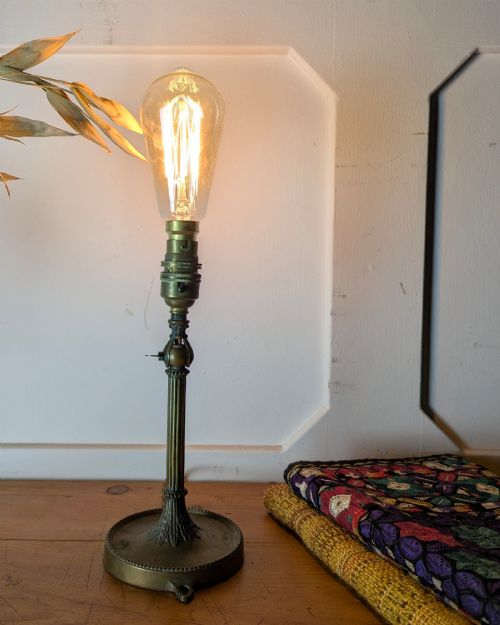
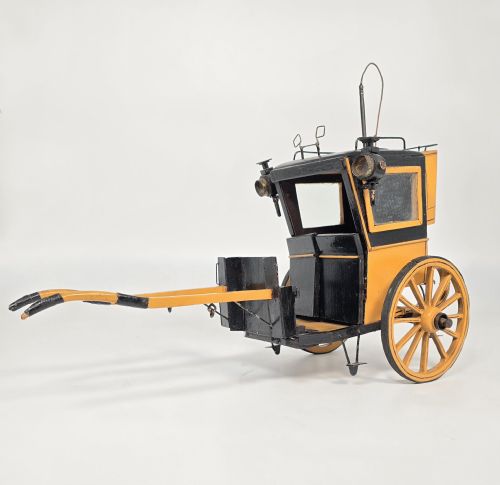
The most frequent items met within this grouping are carriage clocks housed in gilt brass and glass cases, alongside heavy cast iron garden ornaments and railway or Pullman lighting. Scale models of horse-drawn cabs and early motor vehicles also appear regularly alongside child pushchairs.
Origins trace across French and English workshops, with nineteenth-century Paris makers and twentieth-century industrial designers dominating the selection. Pieces range from diminutive travel timepieces to substantial bronze signal cannons and metro seating.
Materials and construction methods
Metalworking dominates the construction of these items, utilising heavy cast iron, polished brass, gilt brass and bronze. Founders shaped these metals for carriage clock cases, signal cannons, garden ornaments and railway lamps.
Glass panels feature heavily in horological pieces, allowing visibility of the escapement mechanism inside portable brass frames. Wood, paint and enamel contribute structural support and surface decoration to child carriages and model transport.
Listings feature items spanning the eighteenth century through to the Art Deco period, constructed from brass, cast iron, glass and wood.
Distinctions in craftsmanship
Quality separates through the crispness of cast or engraved ornamentation on brass clock cases and iron ordnance. Master makers applied deep mercury gilding and intricate hand engraving that remains sharp after generations of handling.
Mechanical complexity and signature marks dictate the standing of horological pieces. Movement finishing by notable makers involves high-count gear trains and jewelled escapements that distinguish standard production from exhibition-grade work.
HENRI JACOT·Paul Garnier·Le Roy et Fils·E.J.Dent·J.TIM MacDONALD
The Early Century Carriage Glossary
- Carriage clock
- A small, portable spring-driven timepiece designed for travel during the nineteenth century. These clocks typically feature brass and glass cases with folding handles.
- Gilt brass
- A base metal alloy coated with a thin layer of gold to simulate solid gold enrichment. This technique protects the underlying metal from tarnish while providing a bright finish.
- Signal cannon
- A small ordnance piece used historically for firing blank charges to mark time or celebrate events. They appear frequently in bronze and heavy cast iron.
- Pullman lamp
- A specialised lighting fixture designed for use aboard railway carriages. These lamps utilise robust brass and metal mountings to withstand transit vibrations.
Early Century Carriage: Frequently Asked Questions
What is a carriage clock?
A carriage clock is a portable spring-driven timepiece developed for travel in the nineteenth century. They were constructed to keep accurate time while moving in vehicles.
Most examples feature brass cases inset with bevelled glass panels to display the inner escapement. A folding handle sits atop the case for carrying.
How do I date a carriage clock?
Dating relies on stylistic shifts in the brass case design and the complexity of the internal movement. Early nineteenth-century examples often display simpler corniche cases.
Maker signatures engraved on the backplate or dial provide precise attribution. Engraved gilt work also shifts from classical restraint to ornate floral motifs by the Edwardian era.
Where were carriage clocks used?
These clocks were utilised by affluent travellers during coach and railway journeys. Their robust construction absorbed the vibrations of transit.
They also served as domestic mantel clocks once the journey concluded. Their portable nature made them versatile timekeepers for various rooms in a house.
What are garden cannons made of?
Garden cannons are cast from heavy metals such as iron and bronze to withstand the forces of discharging blank charges. These materials resist weathering outdoors.
Surface treatments include dark patination or painted finishes. Their substantial weight prevented recoil movement when fired on lawns or estates.