






Early Bronze Animals
Early bronze animals bring expressive wildlife and domestic subjects into domestic spaces through cast metal sculpture.
Early Bronze Animals
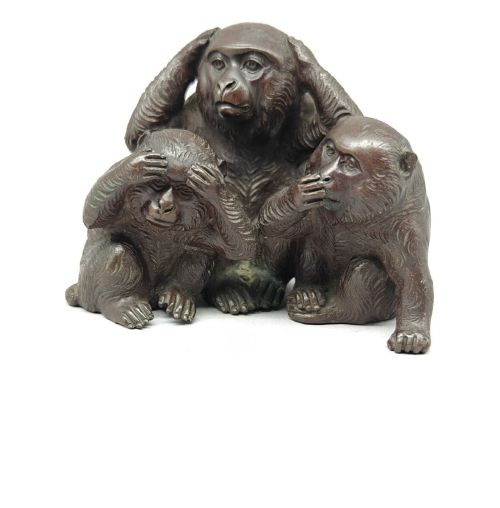
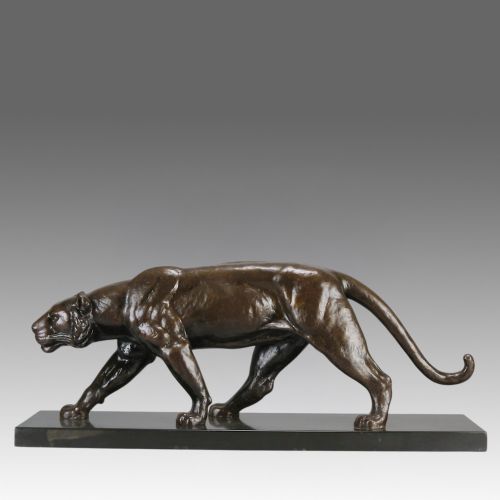
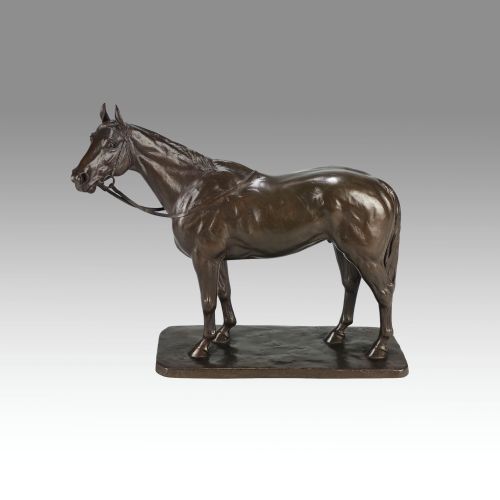
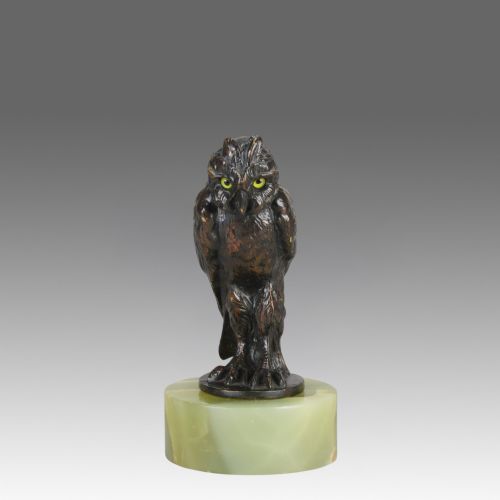
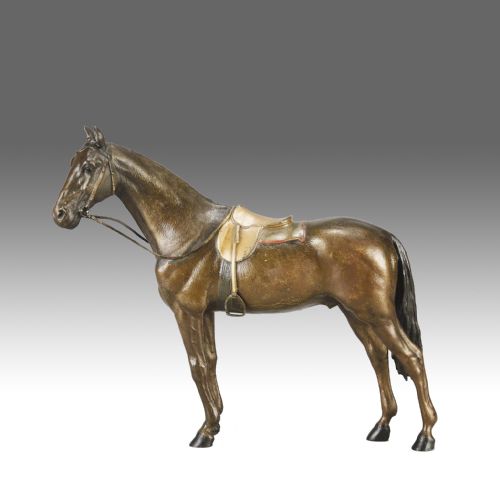
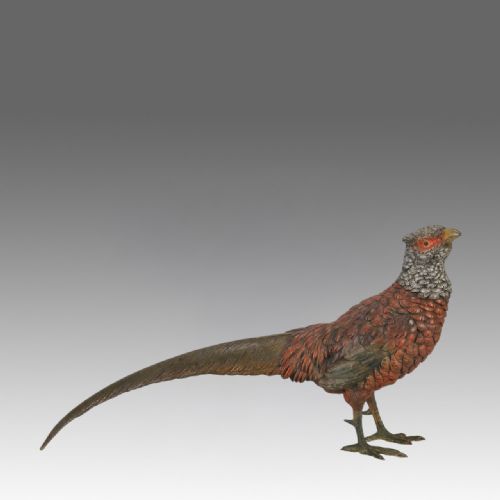
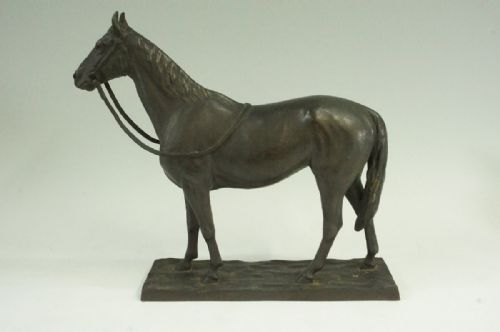
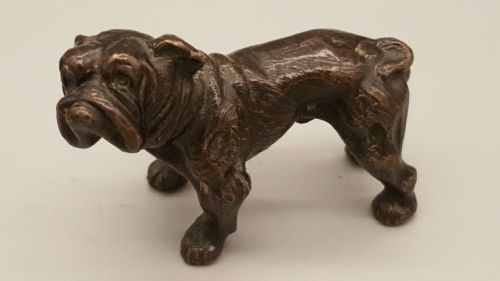
When you search for early bronze animals, you encounter sculptural works spanning the nineteenth century through the early decades of the twentieth century. These figures capture diverse subjects including horses, dogs, birds, and wild animals in various postures and settings.
The selections on this page draw heavily from Viennese workshops and Japanese foundries, alongside French animalier pieces. You meet cold-painted Austrian foundry work alongside Japanese Meiji and Taisho period casts.
Forms range from freestanding cabinet figures and bookends to car mascots and mounted studies incorporating marble or onyx. Each piece reflects the naturalist observation popular across European and Asian decorative arts during this era.
Assessing Quality and Execution
Quality rests upon the crispness of the original cast and the subtlety of the chasing work applied to finish the surface details. Superior examples retain their original polychrome cold-paint or patination without extensive modern overpainting or heavy wear.
The distinction between standard commercial output and master foundry work lies in the anatomical accuracy and expressive character of the subject. Signed pieces by recognised modellers demonstrate a higher degree of sculptural refinement in musculature and posture.
Early Bronze Animals Retail Price Guide 2026
Typical asking prices for early bronze animals among the pieces listed under this phrase on Sellingantiques today, from the lower quarter to the upper quarter. They describe what is for sale here now, not the wider market.
Listings include bronze, paint, marble, cold-painted bronze, gilt bronze, onyx, enamel, and chrome.
Franz Bergman·Kunio Itô·Alexandre Ouline·Louis Riche·Clovis Masson·Edith Parsons·Albert Hussmann
The Early Bronze Animals Glossary
- Cold-painted bronze
- A method where non-water-soluble paint is applied to a cold bronze casting, common in Austrian animal figures.
- Animalier
- A nineteenth-century artistic movement focused on the realistic representation of animals, particularly predators and domestic beasts.
- Car mascot
- A sculptural ornament mounted to the radiator cap of an automobile during the early twentieth century.
- Patina
- The surface coloration and sheen developed naturally over time or applied chemically by the foundry.
- Meiji period
- An era of Japanese history noted for exceptional metalwork and bronze casting exported to Western markets.
Early Bronze Animals: Frequently Asked Questions
What are early bronze animals?
These pieces are metal sculptures depicting domestic and wild creatures, cast primarily during the nineteenth and early twentieth centuries.
They served as decorative cabinet ornaments, functional bookends, and automobile mascots during the height of naturalistic animal sculpture.
How do I identify cold-painted bronze?
Cold-painted bronzes display detailed multi-coloured enamel or pigment surfaces applied directly over the cast metal rather than chemical patinas.
Close inspection often reveals the delicate brushwork typical of Viennese workshops active around the turn of the twentieth century.
Where were these animal sculptures made?
Production centred primarily in European studios, particularly Vienna and France, alongside traditional foundries in Japan.
Each regional centre utilised distinct casting styles and surface treatments, ranging from Japanese patinated horses to Austrian painted dogs.
How should I display them at home?
Place smaller figures on stable wooden surfaces, mantelpieces, or dedicated display cabinets away from direct sunlight.
Ensure painted pieces avoid humid environments to protect the fragile cold-painted surface layers over time.