


Early Artwork Drawing
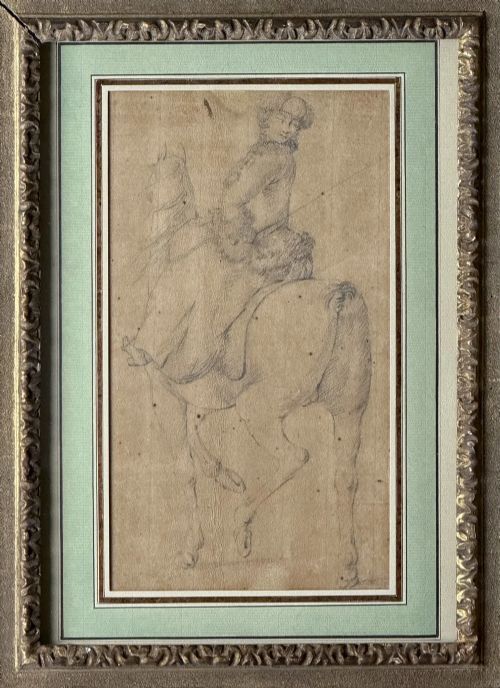
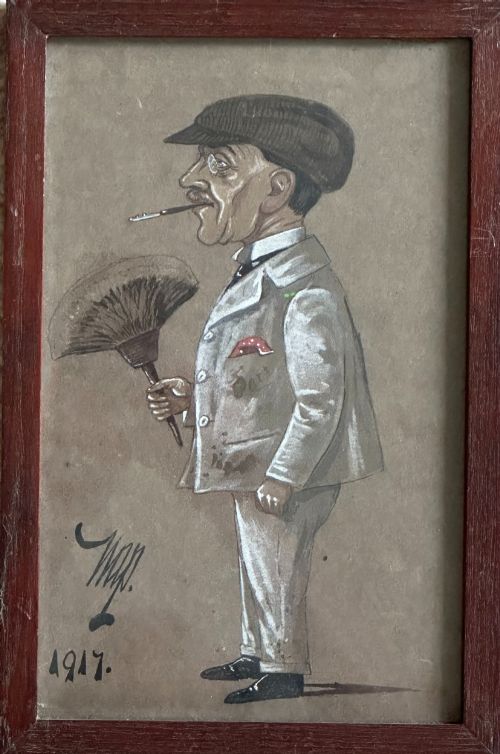
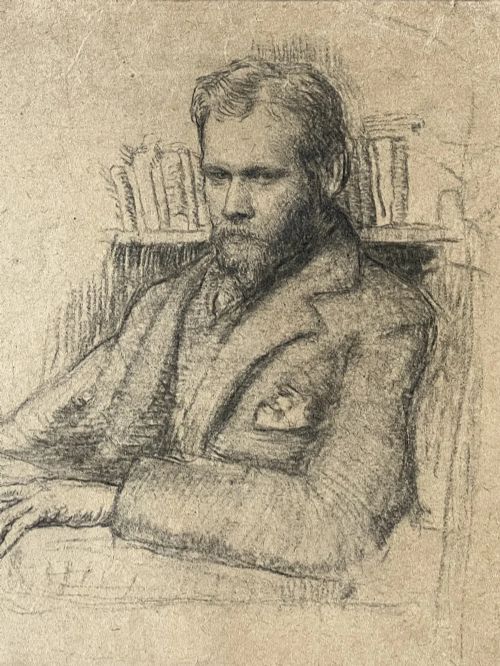
An early artwork drawing brings paper, ink, and pencil together to capture a personal line or wash from centuries past.
Early Artwork Drawing
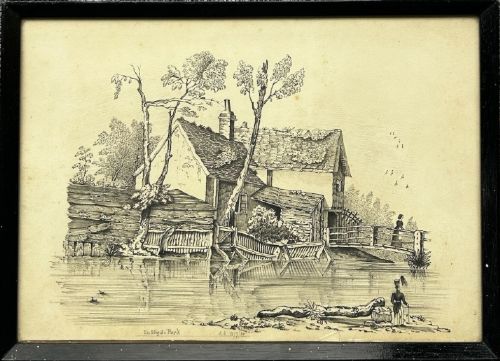
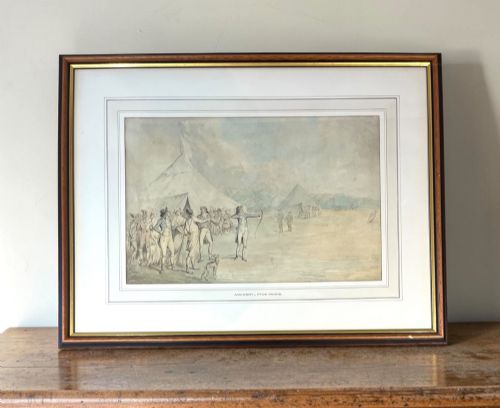
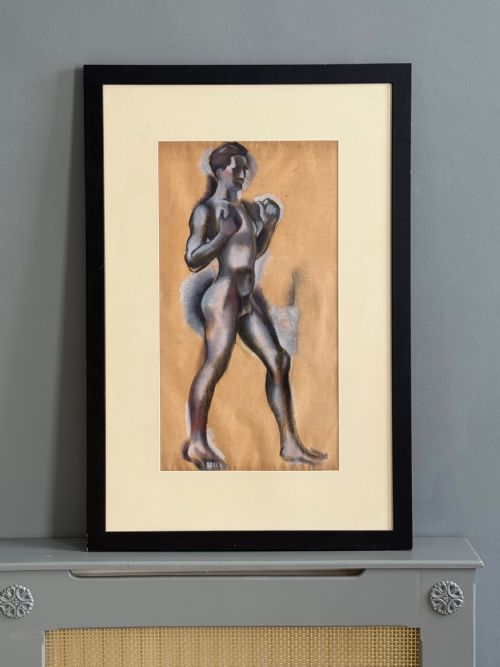
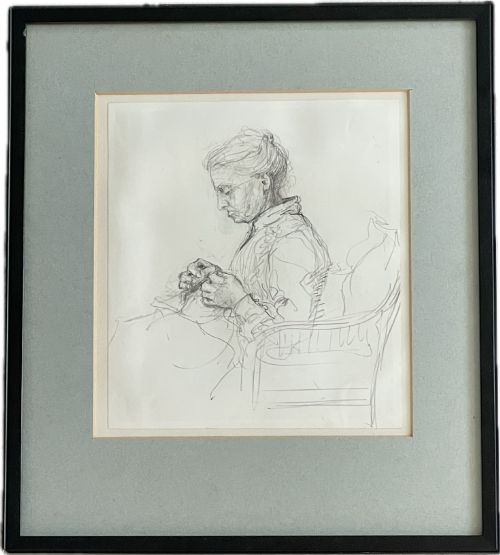
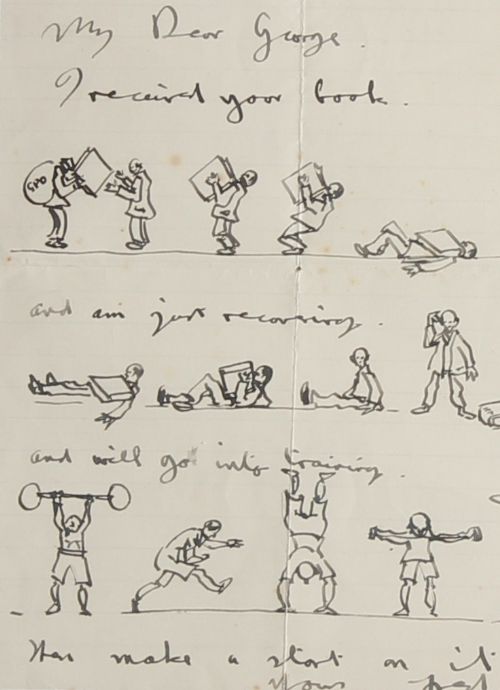
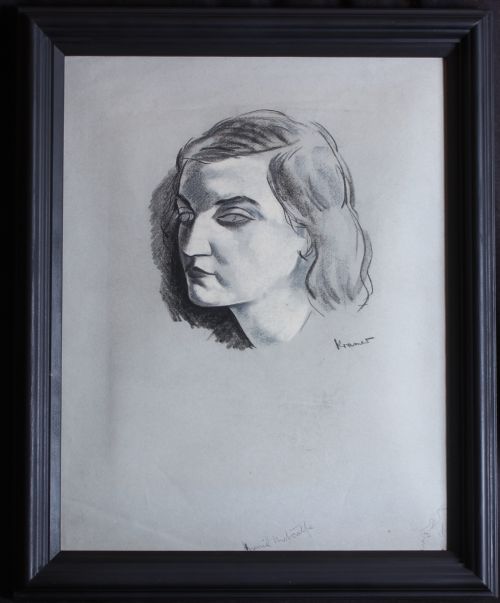
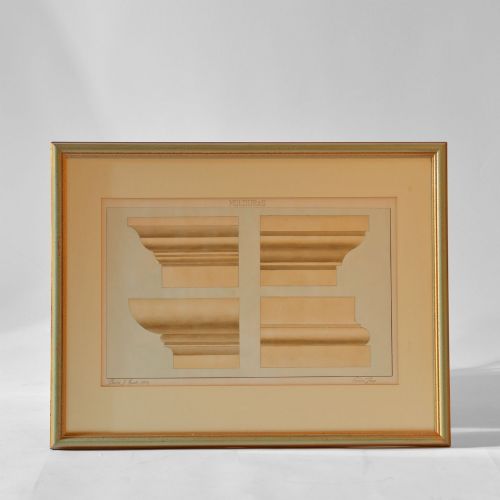
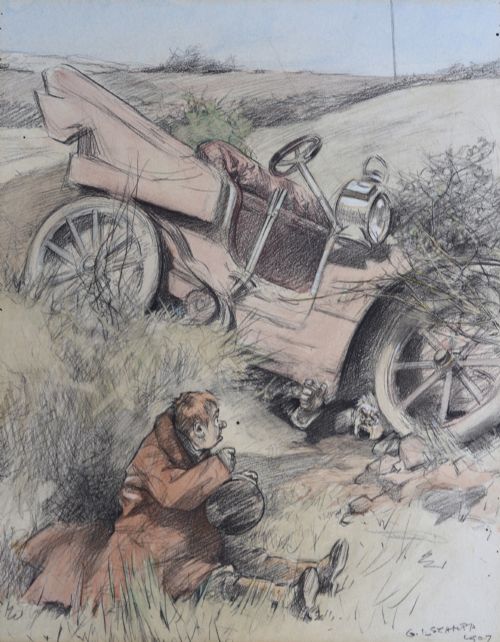
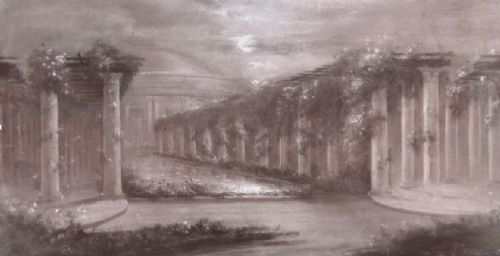
An early artwork drawing encompasses works on paper executed in media such as pencil, charcoal, ink, and watercolour spanning from the eighteenth century through the mid-twentieth century. These pieces range from rapid architectural sketches and preparatory studies to finished landscape watercolours and detailed portraiture.
The selections encountered here frequently date from the Victorian, Edwardian, and early twentieth century periods, reflecting diverse British and continental European traditions. Buyers often select these works for their direct connection to the hand of the artist, preserved in original frames or mounted on paper and canvas supports.
Materials and construction
These works rely primarily on paper supports combined with drawing and painting media, including graphite pencil, charcoal, ink washes, and watercolours applied by hand. Certain examples incorporate mixed media or pastel on paper, occasionally attached to canvas stretchers for added stability.
Framing materials such as wood and glass serve to protect the delicate paper surfaces from atmospheric moisture and handling. Historic mountings frequently utilise traditional timber frames that complement the period of the drawing.
Early Artwork Drawing Retail Price Guide 2026
Typical asking prices for early artwork drawing among the pieces listed under this phrase on Sellingantiques today, from the lower quarter to the upper quarter. They describe what is for sale here now, not the wider market.
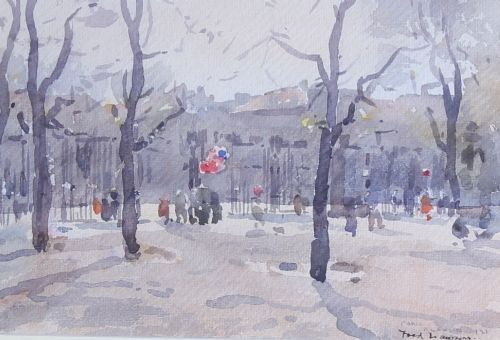
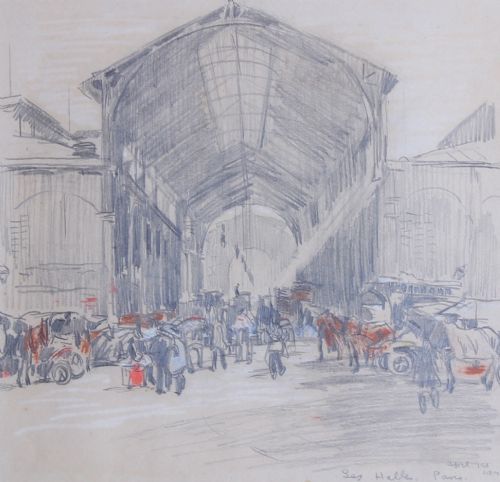
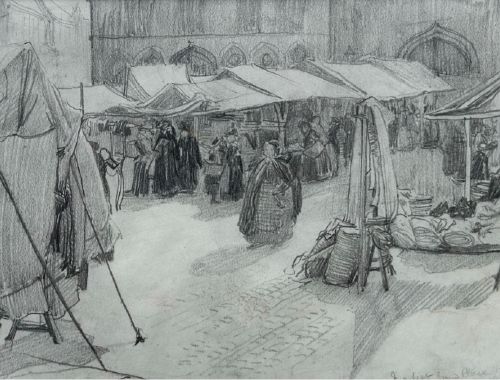
Several drawings preserve intimate glimpses of daily life, from bustling city streets to dogs carrying game birds.
Distinctions in quality
Quality in these works rests upon the surety of the line and the expressive capability demonstrated within the medium, whether handling a rapid pencil sketch or a layered watercolour wash. Stronger examples reveal a confident grasp of proportion, anatomy, and spatial depth, executed without hesitation.
The preservation of the paper support and the vibrancy of fugitive pigments like watercolour and ink also dictate the standing of a piece. Works retaining their original tonal balance and structural integrity without excessive fading represent the finer tiers of production.
Jacob Kramer·Fred Lawson·George Lorain Stampa·Augustus John·John Flaxman
The Early Artwork Drawing Glossary
- Watercolour
- A painting method where fine pigment is suspended in a water-based, transparent solution applied to paper.
- Charcoal
- A dry drawing medium made from slowly burned organic material, producing deep dark lines easily manipulated for tonal shading.
- Graphite
- A crystalline form of carbon utilised in pencils to create versatile metallic grey lines ranging from hard pale strokes to soft dark marks.
- Wash
- A thin, translucent layer of fluid ink or watercolour spread across paper to create uniform colour fields or background tones.
Early Artwork Drawing: Frequently Asked Questions
How do I care for antique drawings?
Keep works on paper away from direct sunlight to prevent the fading of ink, charcoal, and watercolour pigments. Maintain stable room temperatures to protect the delicate paper and wooden framing.
Ensure that framing utilises acid-free backing materials to prevent yellowing and degradation of the paper over time.
Are these drawings original works?
The listings comprise original hand-drawn and painted works on paper rather than mechanical reproductions or modern prints. Each piece represents a unique execution by the hand of the artist.
Signatures, dates, and inscriptions found on the sheets or mounts frequently verify the individual origin of the piece.
How do I identify the period?
Dating relies on stylistic markers, artist signatures, period framing, and contemporary inscriptions recorded on the reverse or mount. Eighteenth and nineteenth-century pieces often display specific paper watermarks and handling characteristics.
Early twentieth-century examples frequently align with distinct modernist or traditional British and European school movements of the era.
Can I reframe these works safely?
Consult a professional framer experienced in handling historic paper to avoid damaging the delicate medium during any change of mount. Modern conservation glass helps filter harmful ultraviolet light.
Retaining original period frames when structurally sound preserves the historic context and character of the artwork.