


Early Art Study
Early art study brings together preparatory drawings, oil sketches, and detailed watercolours spanning the eighteenth, nineteenth, and early twentieth centuries.
Early Art Study
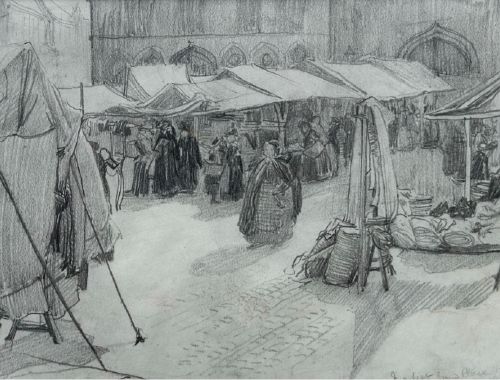
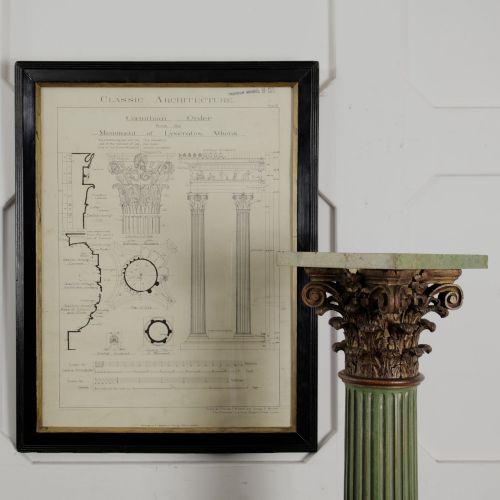
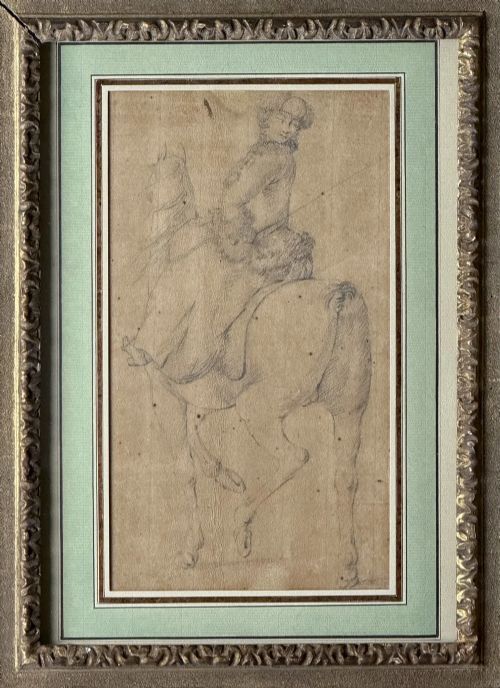
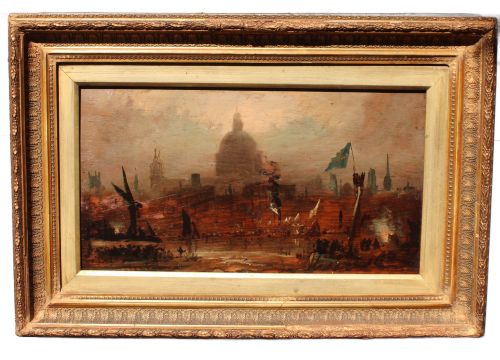
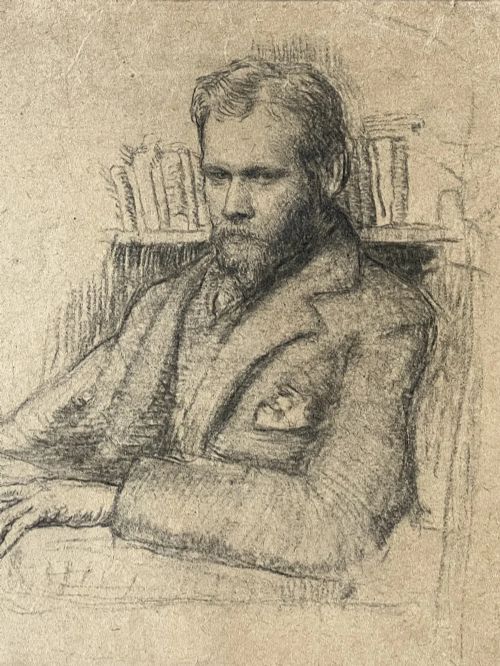
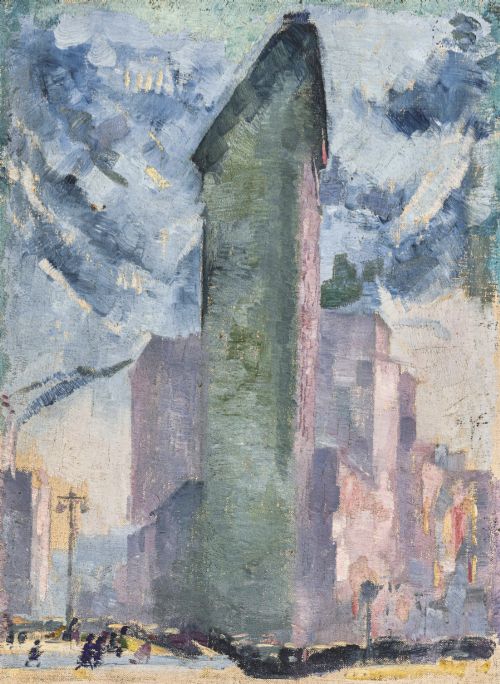
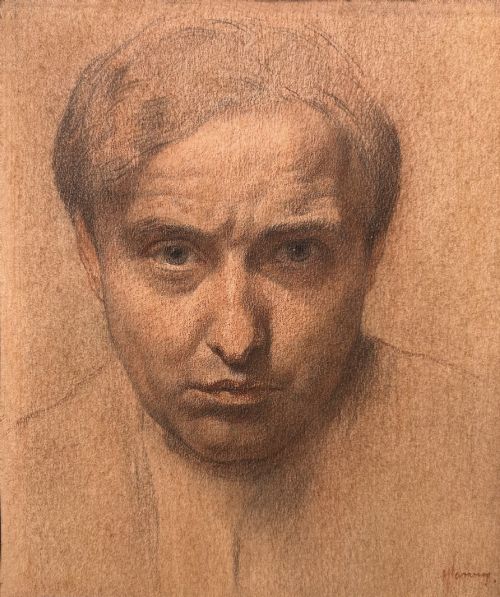
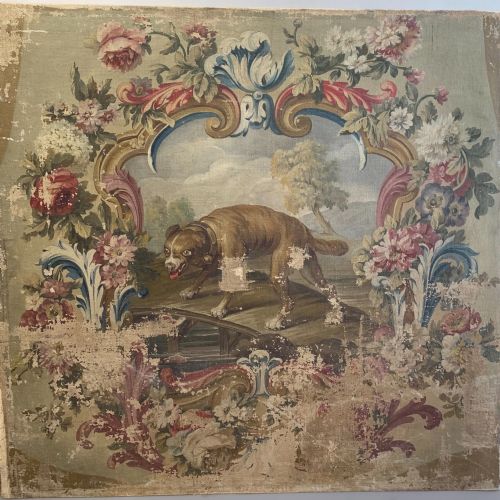
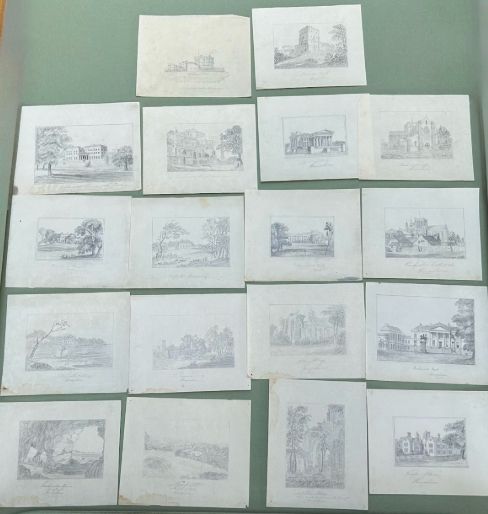
When searching for early art study, buyers encounter preparatory works, figure studies, architectural drawings, and landscape sketches executed by named artists and anonymous hands alike. These items capture the initial creative process, offering a direct record of an artist working through composition, tone, and form before executing a finished painting or sculpture.
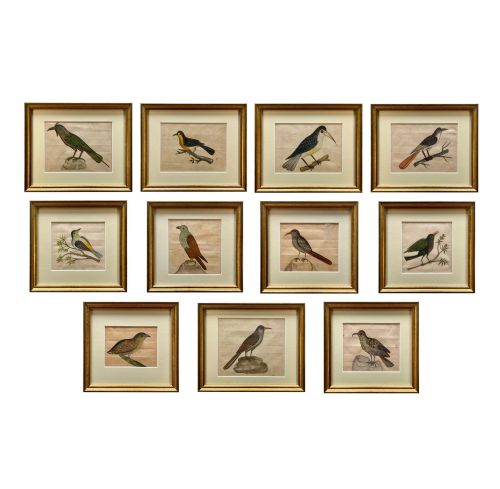
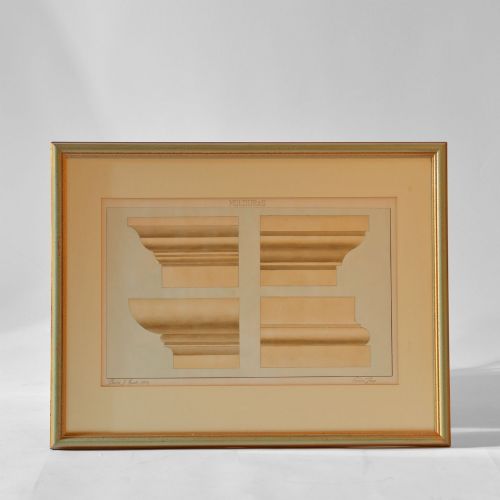
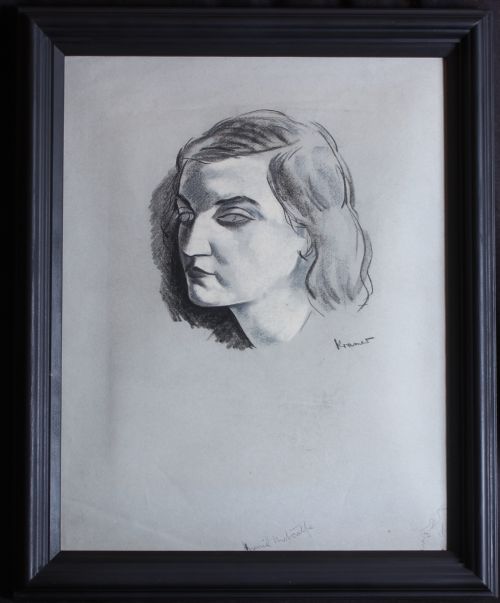
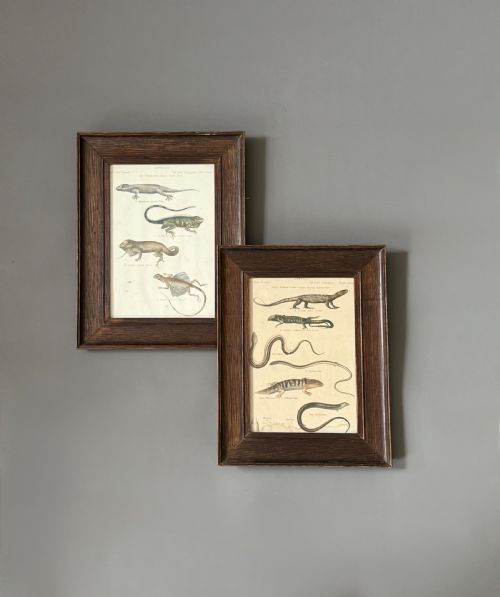
The materials span traditional supports and media, ranging from pencil and charcoal on paper to oil on panel and canvas. Examples include nineteenth-century architectural renderings, early twentieth-century life drawings, and detailed botanical or animal studies intended for instruction or record.
Such pieces bridge the gap between finished gallery works and private sketchbooks, providing insight into academic training and studio practice across successive periods.
How they were made
Artists utilised graphite, charcoal, and ink on various weights of paper to map proportions and establish tonal contrast, often combining media such as monochrome ink with watercolour washes. For oil sketches and preliminary paintings, makers applied pigment directly to prepared wood panels, canvas, or paper affixed to board.
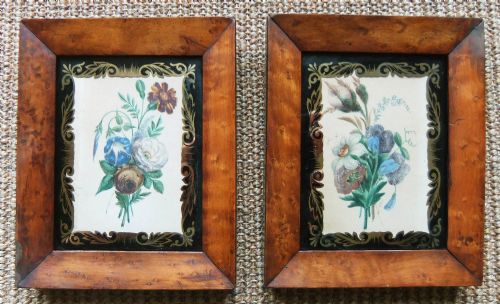
Framed works frequently incorporate period wood mouldings, burr frames, or brass fittings that reflect the framing conventions of the eighteenth, nineteenth, and early twentieth centuries.
Early Art Study Retail Price Guide 2026
Typical asking prices for early art study among the pieces listed under this phrase on Sellingantiques today, from the lower quarter to the upper quarter. They describe what is for sale here now, not the wider market.
Materials recorded on this page include brass desk lamps, carved wood panels, framed engravings, and handmade lace samplers.
What varies in quality
Quality rests upon the sureness of the draftsmanship and the economy of line used to define the subject. A confident, fluent sketch executed from life demonstrates superior observation compared to a stiff or overly laboured transcription.
The condition of the paper support, the stability of the pigment against fading, and the presence of contemporary inscriptions or signatures add historical weight and contextual clarity to individual pieces.
Jacob Kramer·William Bird·Henry Percy Huggill·Thomas Ellison·Bruno Zach·Augustus John·Alfred Wolmark·Herbert Johnson Harvey·Sir J. M. W. Turner·Sir David Murray·Allan Douglas Davidson·Hans Temple·Kershaw Schofield·Winifred Eugene Ballard·Sir Francis Leggatt Chantrey·Rowland Henry Hill·Demetrios Galanis·Jennings Brothers
The Early Art Study Glossary
- Study
- A preparatory drawing, painting, or sketch made to explore a subject or test composition elements before a larger finished work is undertaken.
- Life study
- An artwork created by observing a live model, commonly focusing on human anatomy, gesture, and tonal shading within an academic setting.
- Watercolour
- A painting method where fine pigment is suspended in a water-soluble binder, applied to paper to achieve translucent colour effects.
- Panel
- A flat piece of wood used as a rigid support for oil painting, prevalent in Northern European and British traditions.
- Provenance
- The documented history of ownership surrounding an artwork, establishing its authenticity and chain of custody over time.
Early Art Study: Frequently Asked Questions
What is an early art study?
An early art study is a preliminary work, sketch, or drawing created by an artist to explore form, light, and composition prior to completing a major piece.
These works provide a direct look into historical artistic methods and academic training across past centuries.
How were these studies used?
Artists used these studies to capture rapid observations from nature, record architectural details, or work out the proportions of the human figure.
Schools and academies also preserved them as instructional examples for students learning perspective and tonal balance.
How do I date a drawing or sketch?
Dating relies on watermark evidence in the paper, the specific style of the script in contemporary inscriptions, and the framing materials.
Costume details and the technological conventions of the medium also help place a work within its specific century.
How should I frame and display works on paper?
Works on paper require conservation mounting using acid-free materials to prevent the paper from yellowing or degrading over time.
Displaying them away from direct sunlight protects vulnerable pigments like watercolour and ink from fading.