








Early 20th Century Plate
These early 20th century plate items encompass silver-plated tableware, decorative ceramics, and glass objects designed to bring period dining and display into modern interiors.
Early 20th Century Plate
When you search for early 20th century plate, you encounter a diverse selection of domestic objects spanning Edwardian elegance through to the geometric lines of the Art Deco period. The listings include porcelain side plates, decorative dishes, silver-plated serving trays, and glassware originating from British, European, and Asian workshops. These items reflect the shifting aesthetic tastes between 1900 and 1930, moving from ornate revival styles to cleaner modernist forms.
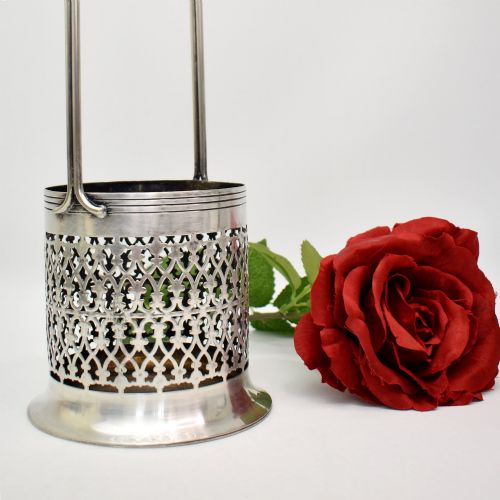
The most frequent items meeting this search are silver-plated table pieces, such as entree dishes, fruit bowls, and strawberry dishes, alongside ceramic plates from factories like Meissen and Cauldon. You also find glass plates and specialised serving sets intended for formal dining or decorative display. These functional objects demonstrate the high standards of manufacturing maintained by silversmiths and potteries during the early decades of the twentieth century.
How they were made
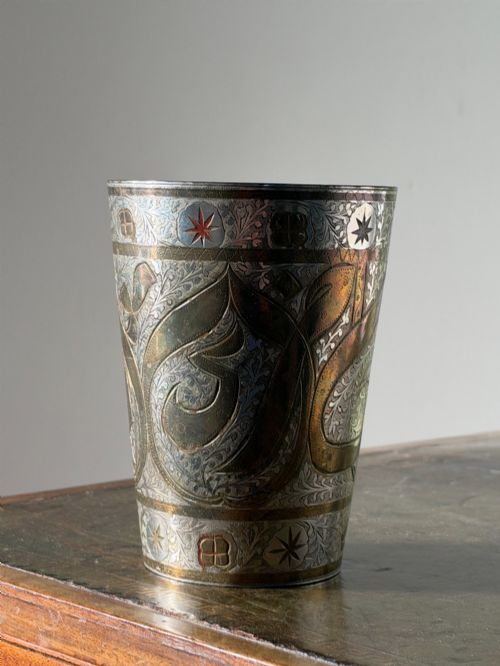
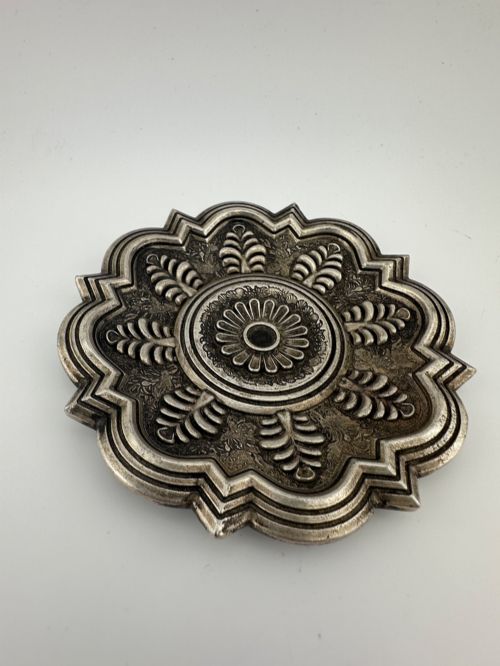
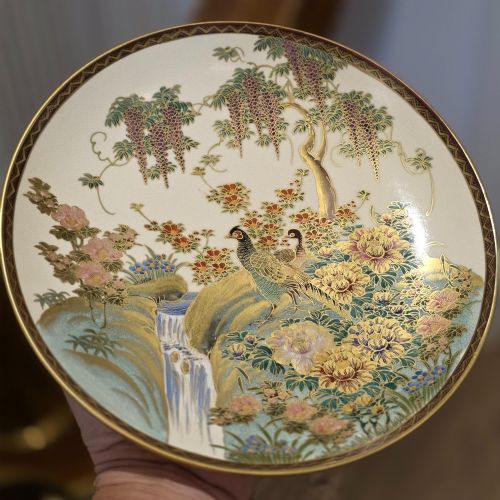
Many of the metal items rely on silver plating over copper or nickel bases, a technique that provided the lustre of solid silver at a more accessible cost. Potteries utilised traditional ceramic moulding and hand-painting methods, often incorporating transfer-printed details or vibrant enamel highlights.
Glass objects from this era utilise moulding and pressing techniques, sometimes finished with acid-etching or bevelled edges as seen in architectural mirrors and display plates. Metalwork frequently displays cast or applied decorative borders, soldered joints, and hand-engraved motifs executed by skilled artisans.
Early 20th Century Plate Retail Price Guide 2026
Typical asking prices for early 20th century plate among the pieces listed under this phrase on Sellingantiques today, from the lower quarter to the upper quarter. They describe what is for sale here now, not the wider market.
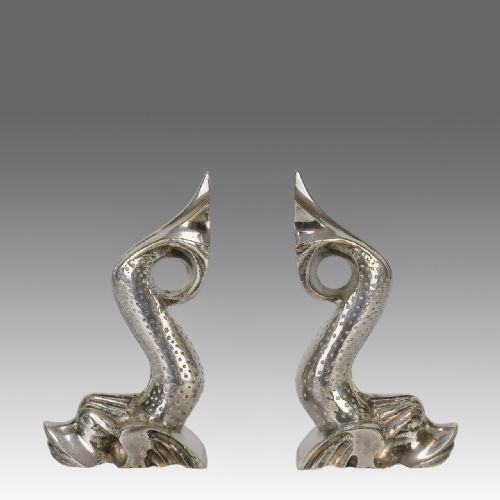
Cats and dogs share these listings, appearing across René Lalique glass plates and vintage fish bookends alike.
What varies in quality
The distinction between standard commercial output and superior craftsmanship rests on the crispness of detail in moulded decoration and the thickness of the silver plating. Better quality items retain their original surface plating without thinning or base metal showing through, and porcelain pieces exhibit refined ceramic bodies with hand-finished enamel or gilt work.
Maker attribution also influences the standing of a piece, with items bearing recognised workshop marks or associated with known designers commanding greater interest. The integrity of the materials, whether high-grade glass, substantial white metal, or fine porcelain, determines the endurance and visual weight of each object.
Koshida·F Abella and Sons·Brook and Son·Cauldon Ltd·Meissen·Warwick Goble·René Lalique·WMF·David Andersen·Mintons
The Early 20th Century Plate Glossary
- Silver Plate
- A thin layer of silver bonded to a base metal such as copper, nickel, or brass. This method allowed manufacturers to produce durable household items with the appearance of solid silver.
- Porcelain
- A hard, white, translucent ceramic fired at high temperatures. It formed the body for many fine dining and decorative plates produced across Europe and Asia during this era.
- Art Deco
- A design style emerging in the 1920s characterised by geometric patterns, stylised motifs, and sleek symmetrical lines. It marked a sharp departure from the floral curves of earlier decades.
- Transfer Printing
- A method of applying pre-printed designs onto ceramics or glass using paper or tissue templates. This technique enabled potteries to produce consistent patterned tableware efficiently.
Early 20th Century Plate: Frequently Asked Questions
How do I clean silver-plated plates?
Use a soft cloth and a specialised mild silver polish to remove tarnish without abrading the thin silver layer. Avoid harsh chemical dips that can strip the underlying metal.
Wash ceramic and glass plates in warm soapy water using a non-scratch sponge. Dry them immediately with a lint-free cloth to prevent water spots on the surface.
Are these plates safe for daily dining?
Many silver-plated and ceramic items were originally made for functional dining use. However, older silver plate can wear thin, and certain antique glazes may not meet modern food safety standards.
It is generally advisable to treat decorative or marked antique plates as display items rather than for regular meal service. Use them for dry foodstuffs or purely as decorative interior accents.
How can I identify the date of a plate?
Look for maker marks, registration numbers, or backstamps stamped into the ceramic base or engraved onto the metal rim. Reference books and manufacturer archives often link these marks to specific production years.
Stylistic indicators also help determine the period, such as the flowing floral motifs of early Edwardian pieces versus the sharp geometric patterns typical of 1920s items.
What is the difference between porcelain and earthenware?
Porcelain is fired at much higher temperatures, resulting in a vitrified, non-porous body that is often translucent when held to the light. Earthenware is more porous and requires a glazed surface to remain watertight.
Plates made from porcelain generally feel heavier, denser, and more resonant when gently tapped compared to standard earthenware ceramics.