


Early 20th Century Maritime
Early 20th century maritime pieces capture the grit and grace of the sea through paintings, lanterns, and folk art models.
Early 20th Century Maritime
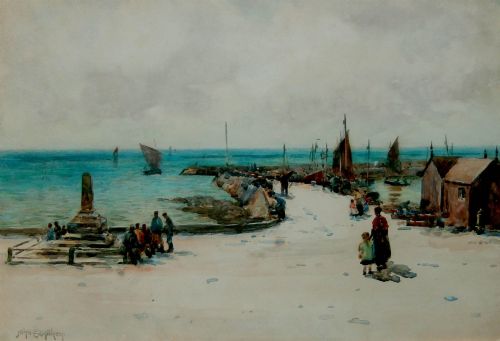
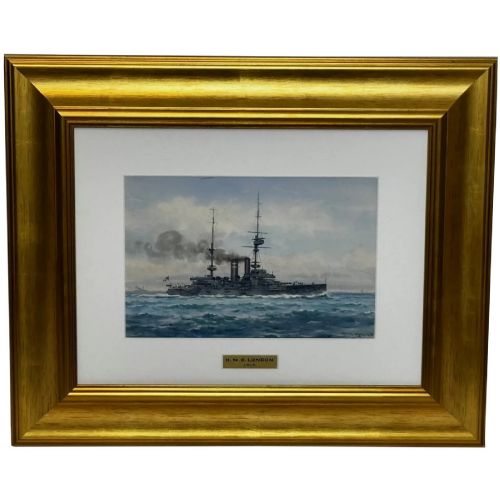
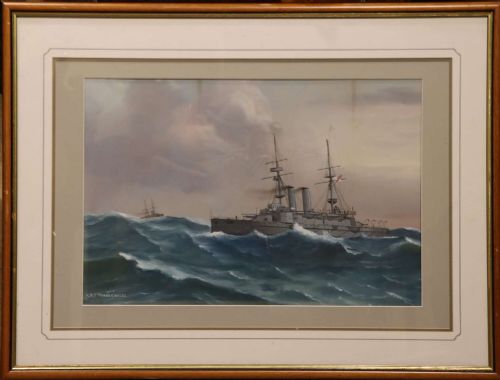
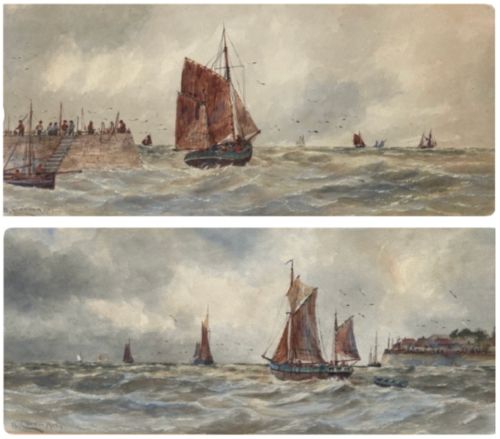
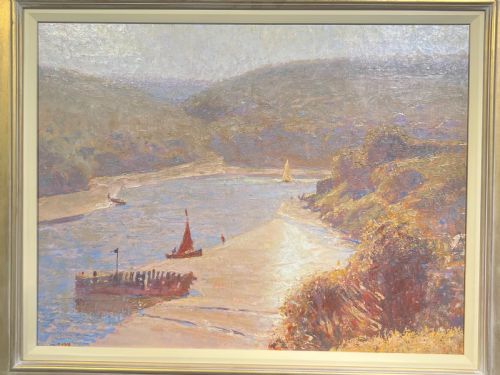
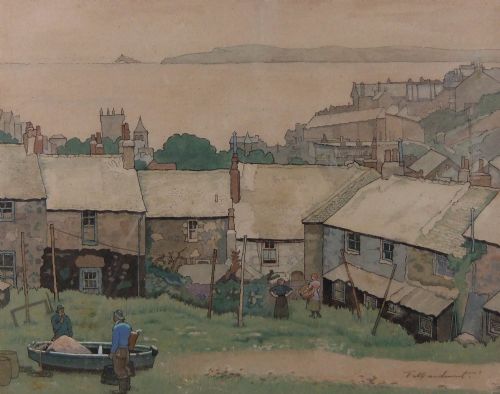
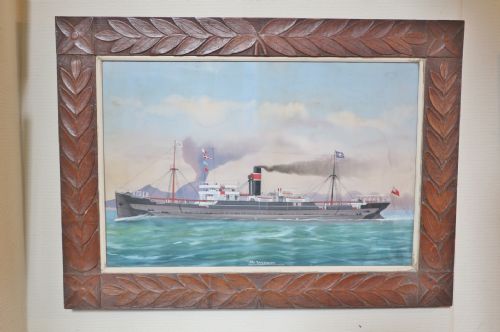
When you search for early 20th century maritime, you encounter a visual record of naval vessels, fishing boats, and bustling harbours spanning the Edwardian era through the 1930s. The most common pieces on this page are original watercolours and oil paintings depicting coastal scenes, alongside brass navigation instruments and scratch-built folk art models.
Materials and Construction
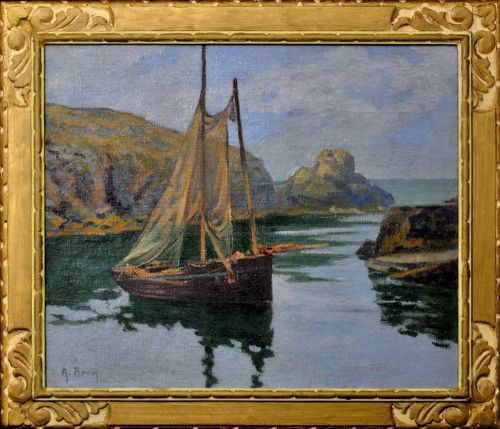
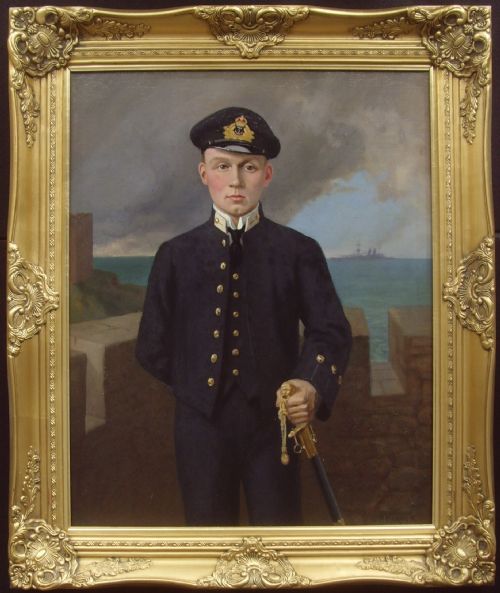
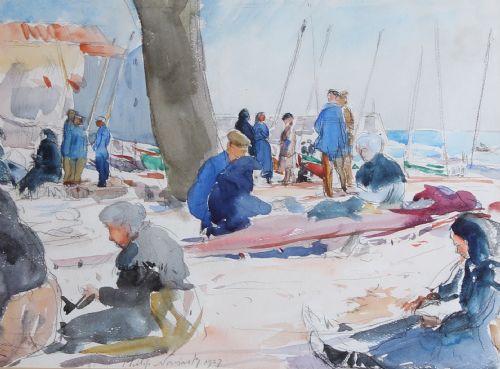
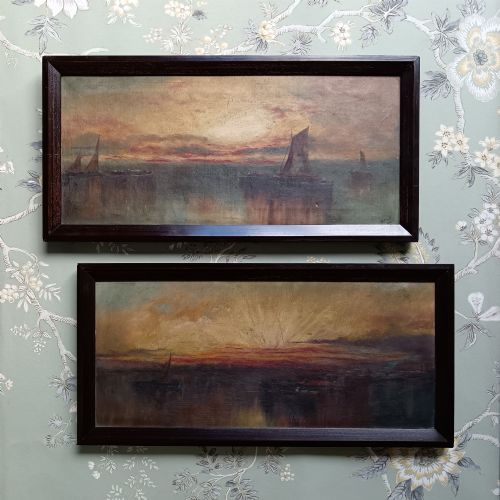
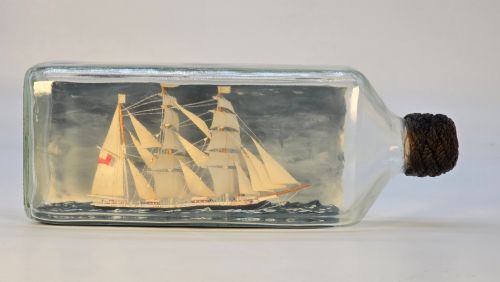
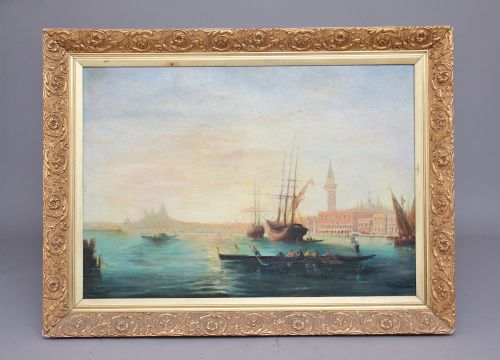
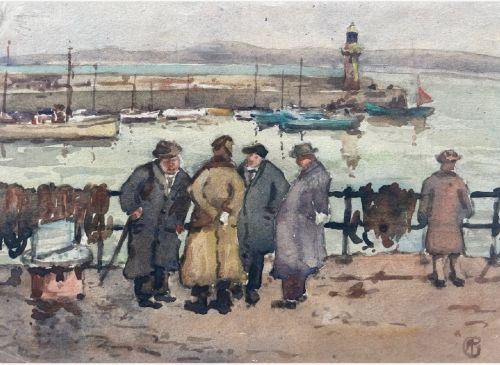
Painters of this era utilised oil paint on canvas or board, and watercolour on paper, often capturing atmospheric coastal light with visible brushwork. Maritime folk art objects deploy wood, shell work, and canvas to construct detailed diorama models and scratch-built ships.
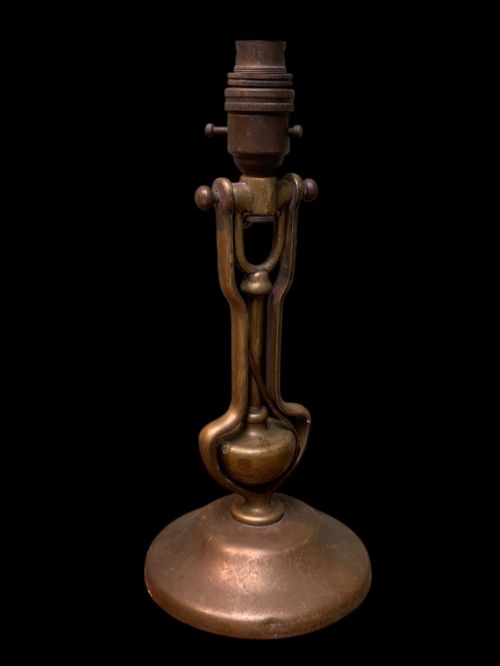
Functional items rely on heavy metals, combining brass and copper for lanterns and navigational tools designed to withstand marine environments. Frames are typically constructed from oak or ebonised wood to complement the visual weight of the paintings and photographs.
Early 20th Century Maritime Retail Price Guide 2026
Typical asking prices for early 20th century maritime among the pieces listed under this phrase on Sellingantiques today, from the lower quarter to the upper quarter. They describe what is for sale here now, not the wider market.
Listings feature works from British, French, and Asian coastal regions, executed in mediums spanning oil paint, watercolour, copper, and shell work.
Judging Quality
The distinction between standard and superior pieces rests on the artist's command of light, movement, and nautical accuracy. A strong maritime painting convinces the viewer of the weight of the water and the correct rigging of the vessels, whereas lesser works offer static compositions and generic seascapes.
In utilitarian and folk art objects, quality is determined by the crispness of the brass casting, the integrity of original mountings, and the intricacy of scratch-built details. Original frames and documented artist attributions elevate the standing of a piece considerably.
Clarkson London·Ah Hee Studio
The Early 20th Century Maritime Glossary
- Gouache
- An opaque watercolour paint that dries to a matte finish, frequently utilised in early naval paintings to achieve solid blocks of tone.
- Diorama
- A three-dimensional scene enclosed in a box or bottle, often depicting a fully rigged ship against a painted background.
- Scratch-built
- A model constructed from raw materials rather than a commercial kit, relying on the maker's direct observation of vessels.
- Seascape
- A work of art that depicts the sea, ships, or coastal views, serving as the primary genre for this search phrase.
- Port lantern
- A navigational light mounted on the left side of a vessel, traditionally fitted with red glass and constructed from copper and brass.
Early 20th Century Maritime: Frequently Asked Questions
How do I identify a genuine early 20th century painting?
Examine the materials, support boards, and framing methods typical of the period between 1900 and the 1930s. Pigments, paper ageing, and artist signatures often provide clear chronological markers.
Look also for period exhibition labels or inscriptions on the reverse that record specific vessels, harbours, or dates.
How should I care for antique maritime watercolours?
Works on paper require protection from direct sunlight to prevent the fading of watercolour pigments and the yellowing of the paper support. Glazing with conservation-grade UV-filtering glass helps preserve the integrity of the piece.
Keep them away from damp environments to avoid foxing spots and mould growth on the paper.
What is the difference between an oil painting and a watercolour in this category?
Watercolours from this period offer delicate transparency and immediacy, frequently executed outdoors to capture changing coastal weather. Oil paintings provide heavier texture, richer colour depth, and greater durability.
Oils are typically rendered on canvas or wooden board, while watercolours are mounted on paper under protective glass.