

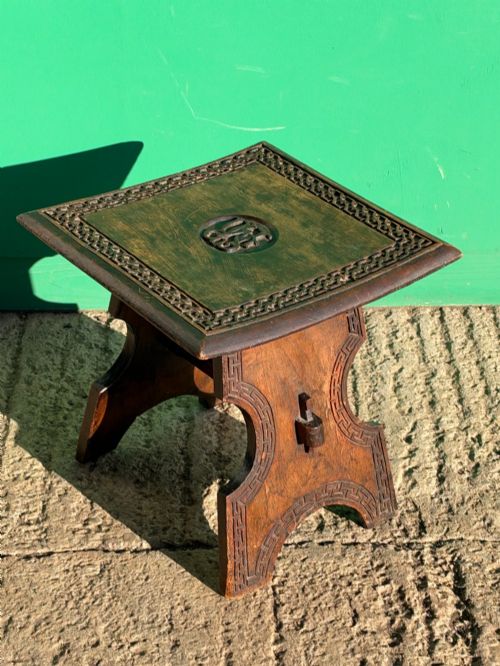
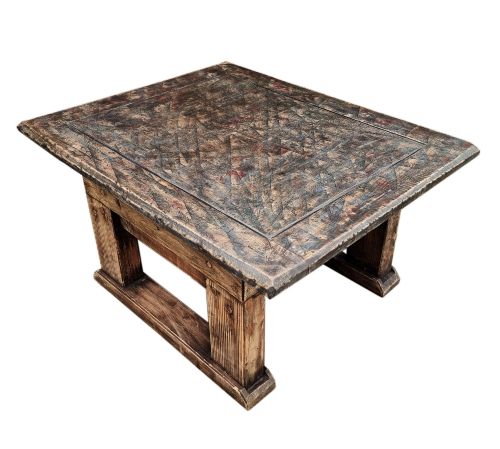
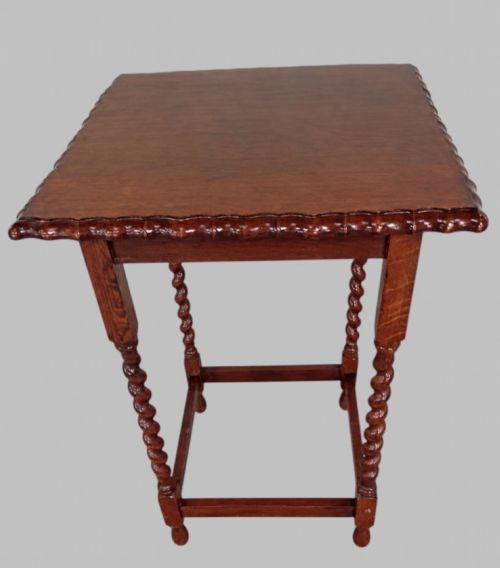
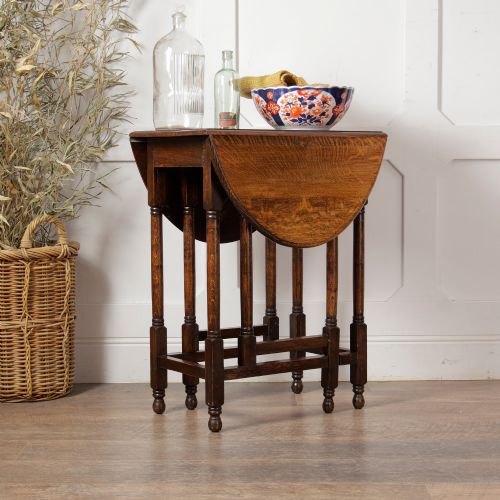





Early 20th Century Coffee Table
An early 20th century coffee table brings varied timber grains and historic Revival forms into a modern room with ease.
Early 20th Century Coffee Table
An early 20th century coffee table encompasses low occasional pieces, transformed trunks, and adapted side forms originating from the Edwardian era through the nineteen-thirties. Buyers encounter solid oak tables, walnut surfaces, and low Chinese hardwood forms designed for domestic use.
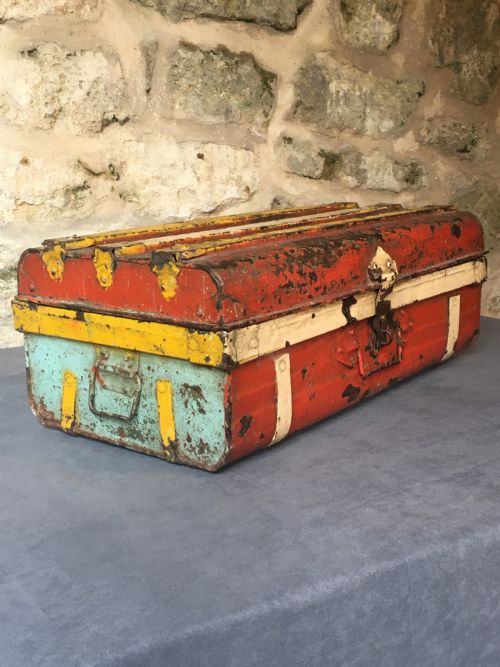
Many examples emerge from traditional furniture types adapted for lower seating, including converted gateleg tables, folding frames, and nesting sets. The selection ranges from carved oak and burr walnut to painted trunks and marble-topped low tables.
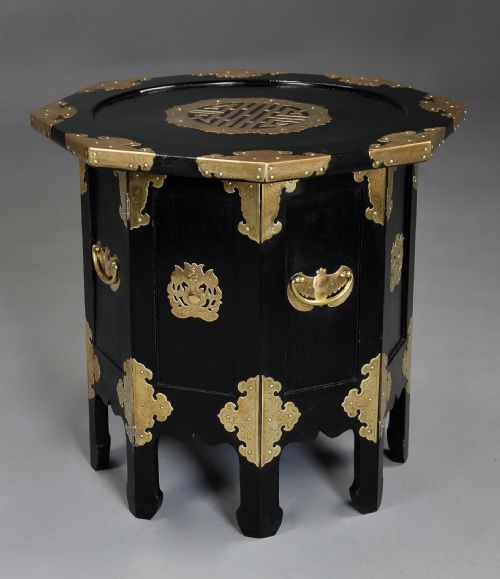
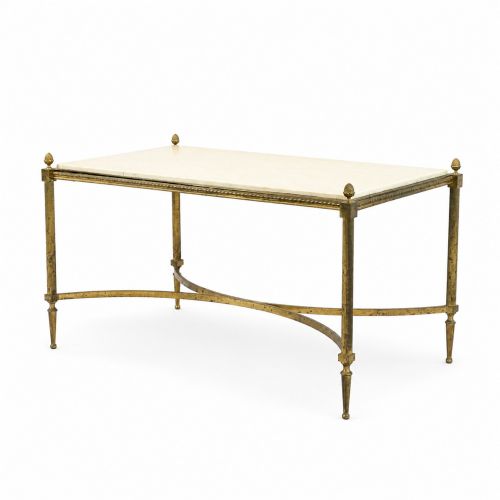
Origin and material vary widely, connecting Edwardian English workshops with French giltwood styles, Moorish designs, and Asian lacquered low tables. This variety allows collectors to choose between rustic farmhouse items and highly decorative imported pieces.
Materials and construction methods
Carpenters utilised native timbers like oak, elm, walnut, and sycamore alongside exotic hardwoods such as padouk and satinwood. Construction often involved sturdy joinery, parquetry, and veneer work, yielding durable surfaces suited to daily use.
Many pieces incorporate metal accents, utilising brass framing, iron hardware, and decorative brass table tops alongside marble inserts. Lacquering, hand painting, and giltwood finishes provide decorative enrichment across French Revival and Chinoiserie examples.
Early 20th Century Coffee Table Retail Price Guide 2026
Typical asking prices for early 20th century coffee table among the pieces listed under this phrase on Sellingantiques today, from the lower quarter to the upper quarter. They describe what is for sale here now, not the wider market.
At least one early table started life as a cheese press before finding a second career holding cups of tea.
Factors that distinguish the range
Quality rests on the selection of timber veneers, such as burr walnut and yew oyster, paired with the precision of parquetry and carved detailing. Finer examples display superior timber patina and balanced proportions.
Construction integrity separates standard production from exceptional pieces, evident in stable nesting mechanisms, solid brass mountings, and intact hand-painted lacquering. Maker attribution and unusual regional forms elevate certain items above domestic utilitarian tables.
Heals·Masion Ramsay·Liberty
The Early 20th Century Coffee Table Glossary
- Quartetto
- A set of four nesting tables designed to stack inside one another when not in use. These pieces typically feature slender legs and graduated proportions.
- Parquetry
- A geometric mosaic of wood pieces used for decorative surfaces on table tops. Craftsmen arrange contrasting timber veneers to create patterned designs.
- Hibachi
- A traditional Japanese heating device often adapted as a low occasional table. These items feature metal-lined interiors and durable hardwood construction.
- Etagere
- A set of open tiered shelves or a multi-tiered small table used for display. These pieces frequently employ brass framing and wood or glass tiers.
- Coffer
- A chest or trunk used for storage, sometimes adapted as a low table. They often feature robust wooden construction and metal strapwork.
Early 20th Century Coffee Table: Frequently Asked Questions
How do I care for an antique wooden table top?
Maintain timber surfaces by applying natural beeswax occasionally to nourish the grain and protect against moisture. Avoid placing hot cups or wet items directly onto the polished wood.
Keep tables away from direct heat sources and strong sunlight to prevent the timber from warping or the finish from fading over time.
Were these always used as coffee tables?
Many low tables from this period began life as side tables, occasional tables, or travel trunks rather than dedicated coffee furniture. Lower ceiling heights and changing domestic habits later encouraged the adaptation of these diverse forms.
Items such as Chinese low tables, folding tray tables, and cheese press bases were repurposed as living room surfaces during the twentieth century.
How do I distinguish Edwardian pieces from later styles?
Edwardian furniture often retains traditional revival characteristics, such as Jacobean oak carving or satinwood inlay, reflecting late Victorian tastes. Walnut and mahogany were frequently selected for these formal domestic settings.
Pieces from the nineteen-twenties and thirties tend toward simpler lines, lighter oak framing, or exotic imported materials like padouk and lacquered finishes.
Can nesting tables support heavy items?
Nesting tables were constructed with lightweight frames to allow easy stacking and movement around a room. While suitable for daily tea service and books, they are not built to bear heavy loads.
Distributed weight is generally safe, but sitting on these tables or placing heavy sculptures on them risks damaging the slender joints.