




Dutch Seascape Artwork
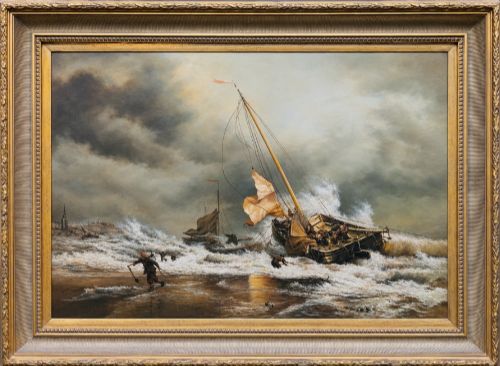
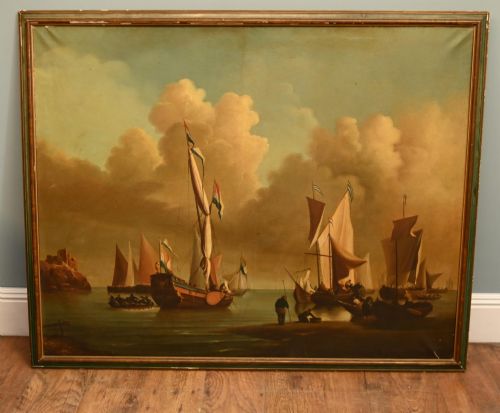
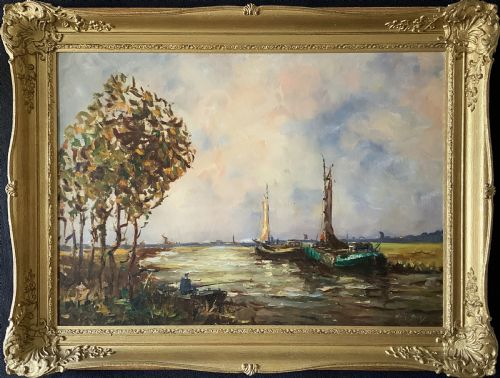
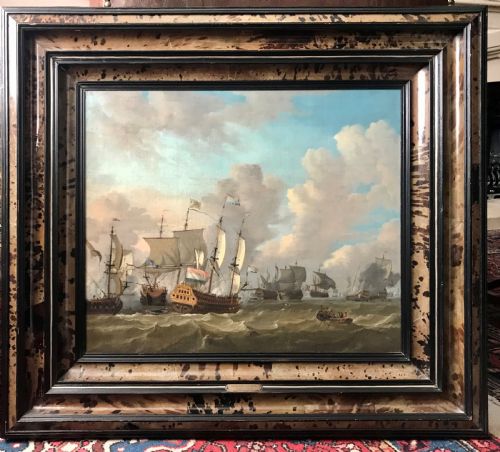
Dutch seascape artwork captures the movement of coastal waters and historic vessels through oil and watercolour.
Dutch Seascape Artwork
When you search for dutch seascape artwork, you encounter painted scenes of maritime life, coastal views, and bustling shipping lanes rooted in centuries of European tradition. The pieces appearing here span from the seventeenth century through to the mid-twentieth century, capturing the changing moods of the sea in oil and watercolour.
You are most likely to meet nineteenth-century oil paintings on canvas depicting sailing vessels, fishing boats, and shorelines. These works often align with the nineteenth century Dutch school or marine styles, reflecting a deep national connection to maritime commerce and coastal navigation.
The selection also reaches into early eighteenth-century compositions and stretches forward to 1950, showing how artists continually returned to estuarine views, canalscapes, and naval encounters. Whether rendered on canvas, wood panel, or paper, each piece preserves a specific moment of maritime heritage.
Distinctions in quality
Quality rests in the handling of light on water and the precise rigging of historic vessels rather than the mere age of the canvas. Masterful brushwork distinguishes works by named practitioners from anonymous workshop output, creating convincing depth in turbulent seas.
The preservation of the original paint layer and the integrity of the wooden stretcher or giltwood frame influence the standing of a piece. Finer examples retain their original surface tension and colour harmony without heavy overpainting.
Dutch Seascape Artwork Retail Price Guide 2026
Typical asking prices for dutch seascape artwork among the pieces listed under this phrase on Sellingantiques today, from the lower quarter to the upper quarter. They describe what is for sale here now, not the wider market.
The inventory records pieces dated across the eighteenth, nineteenth, and twentieth centuries, alongside Victorian examples.
Willem Bos·Abraham Hulk I·Pieter Cornelis Dommersen·Adrian Van Porten·Florence Hess·Hendrik Willebrord Jansen·Owen Bowen·William Raymond Dommersen·Paul Jean Clays·Fred Mayor·Hendrik Yan Wolter·Frank Myers Boggs·Charles Martin Powell·Thomas Bush Hardy·Abraham Storck·Alfred Montague
The Dutch Seascape Artwork Glossary
- Dutch School
- A grouping of artists sharing stylistic traditions originating in the Netherlands. It encompasses centuries of landscape, maritime, and genre painting.
- Giltwood
- Wood carved and coated with gold leaf or a gold-coloured metallic finish. It is commonly found on traditional picture frames surrounding nineteenth-century canvases.
- Gesso
- A plaster-like mixture applied to wood panels or canvas as a base for painting or frame gilding. It provides a smooth, stable ground for artistic work.
- Marine Style
- An artistic genre focused specifically on ships, sea battles, coastal views, and maritime activity. It forms the core subject matter of these selections.
Dutch Seascape Artwork: Frequently Asked Questions
What periods do these artworks cover?
The selections span from the late seventeenth century through the Victorian era and into the mid-twentieth century. Most examples cluster within the nineteenth century and the early decades of the twentieth.
This broad timeline demonstrates how maritime traditions persisted among painters across successive generations.
What surfaces were used for these paintings?
Artists painted primarily on woven canvas stretched over wooden frames, or directly onto prepared wood panels. Watercolours on paper also appear among the selections for lighter coastal views.
Many of these works retain their period giltwood frames, which contribute to the overall presentation.
How do I identify a Dutch marine painting?
Look for depictions of historical sailing vessels, fishing boats, and estuaries characteristic of European coastal waters. Many bear stylistic ties to the nineteenth century Dutch school or marine traditions.
Signatures or attributions on the canvas or reverse often point to specific painters active during these eras.
How should I care for an antique oil painting?
Keep the artwork away from direct sunlight and dramatic shifts in temperature or humidity to protect the canvas and oil paint. Dust the surface and the surrounding giltwood frame gently with a dry, soft cloth.
Avoid using liquid cleaners or chemical solvents on the painted surface or the underlying gesso.