


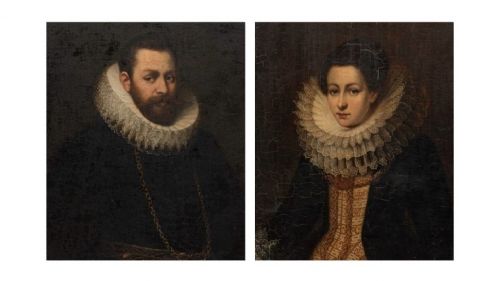


Dutch School Portrait Art
Dutch school portrait art captures centuries of individual character through oil paint on canvas and wood panel.
Dutch School Portrait Art
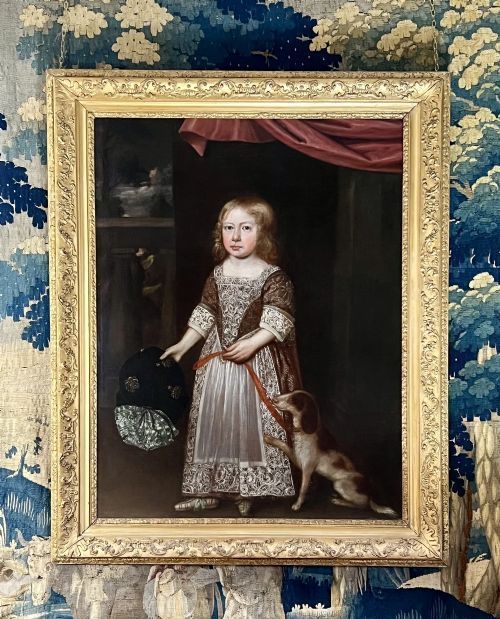
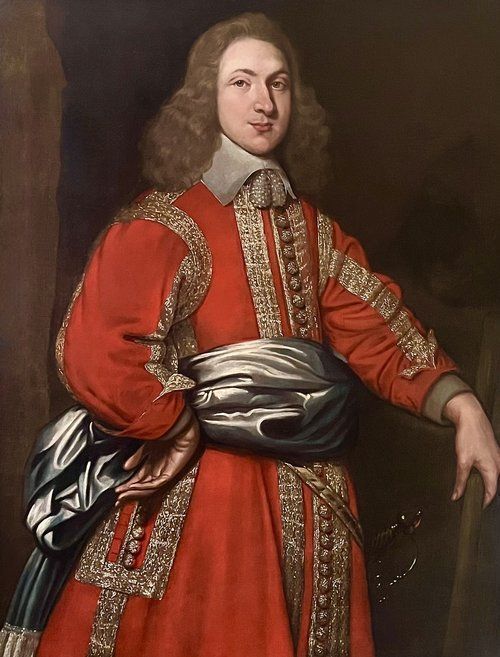
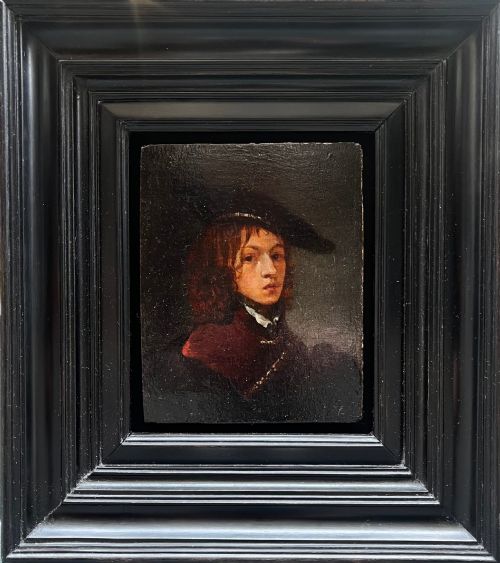
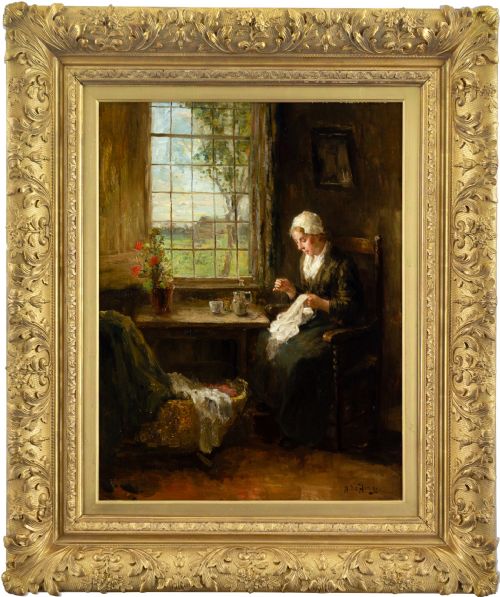
When you search for dutch school portrait art, you encounter oil paintings depicting noblemen, ladies, military officers, and musicians from various centuries.
The selections span from the seventeenth century and the Dutch Golden Age through later nineteenth-century interpretations and twentieth-century revivals.
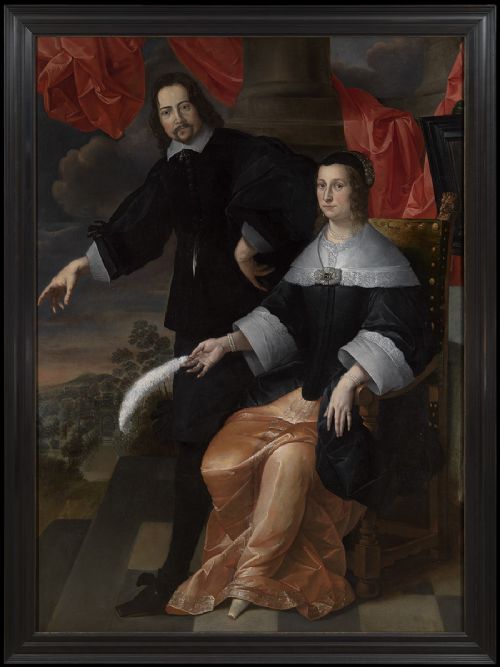
Common formats include single subjects, pairs of husbands and wives, and group depictions rendered in oil paint on canvas or wood.
Materials and construction
These works rely primarily on oil paint applied to canvas or wood panel supports.
Many historical frames utilise gilt wood or elaborate gilding to complement the depth of the painted compositions.
Dutch School Portrait Art Retail Price Guide 2026
Typical asking prices for dutch school portrait art among the pieces listed under this phrase on Sellingantiques today, from the lower quarter to the upper quarter. They describe what is for sale here now, not the wider market.
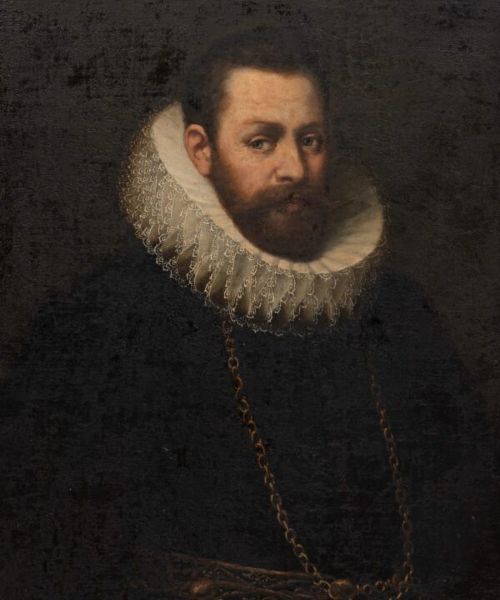
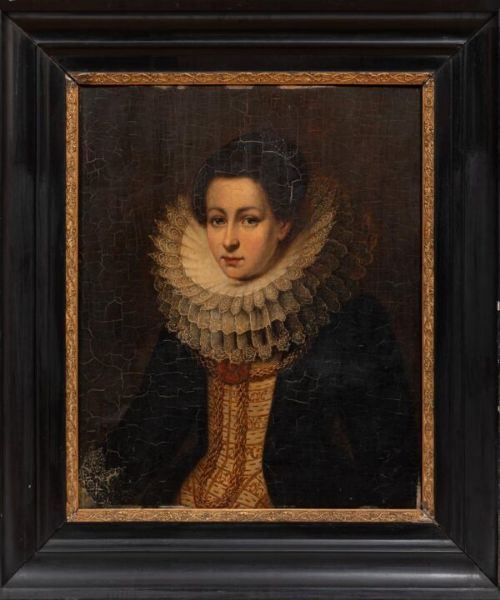
Several subjects wear ruff collars so intricate they must have required immense patience from both the sitter and the painter.
Assessing quality and execution
The refinement of facial expression, hands, and intricate details such as ruff collars distinguishes superior portrayals from simpler studio copies.
Depth in the handling of light and shadow, characteristic of the Baroque and Golden Age traditions, determines the visual strength of each painting.
Cornelis Van Der Voort·Maurice of Nassau·Bernard De Hoog·David Teniers The Younger·Quirijn Van Brekelenkamp·Jozef Israëls·Pieter Cornelis Steenhouwer·Nicolaes Maes·Frans van der Mijn·Wybrand de Geest·Willem Wissing·Abraham Lambertsz van den Tempel
The Dutch School Portrait Art Glossary
- Oil paint
- A slow-drying paint made by combining pigments with a drying oil, most commonly linseed oil.
- Gilt wood
- Wood that has been treated with a thin layer of gold leaf or gold paint, frequently seen on period frames.
- Panel painting
- A painting executed on a flat piece of wood rather than stretched canvas.
- Ruff collar
- A prominent pleated collar worn by nobility and affluent citizens during the sixteenth and seventeenth centuries.
Dutch School Portrait Art: Frequently Asked Questions
How do I identify a seventeenth-century portrait?
Seventeenth-century portraits typically feature distinct clothing such as ruff collars, lace bands, and dark garments set against deep, shadowed backgrounds.
Examining the preparation of the canvas or wood panel helps confirm the age of the materials used.
What is the difference between original and after works?
Original period works were painted during the lifetime of the artist or within the active period of the school.
Works marked as 'after' represent later interpretations or copies of well-known compositions by subsequent artists.
How should I care for oil paintings on wood?
Oil paintings on wood panels require stable indoor humidity and temperature to prevent the timber from warping or cracking.
Keep the artwork away from direct sunlight and source gentle cleaning by specialists when dust accumulates.
Why do some portraits come in pairs?
Portraits of husbands and wives were frequently commissioned together to commemorate marriage or social standing within families.
These matching pairs share similar framing, dimensions, and artistic style to hang side by side.