




Dutch School Oil Portraits
Dutch school oil portraits capture the serious gaze and rich attire of figures from past centuries, offering a direct link to historical European society.
Dutch School Oil Portraits
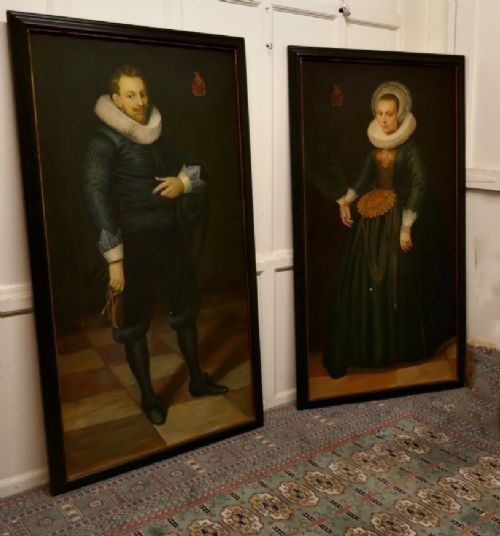
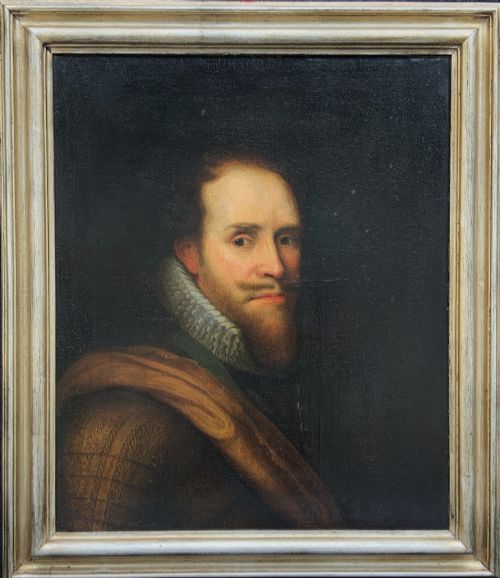
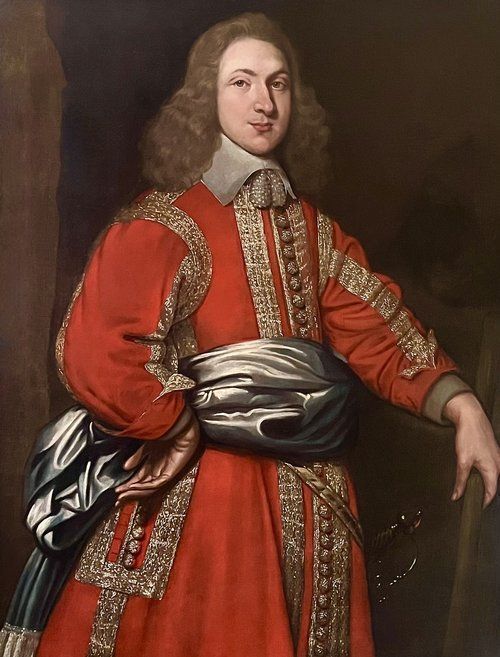
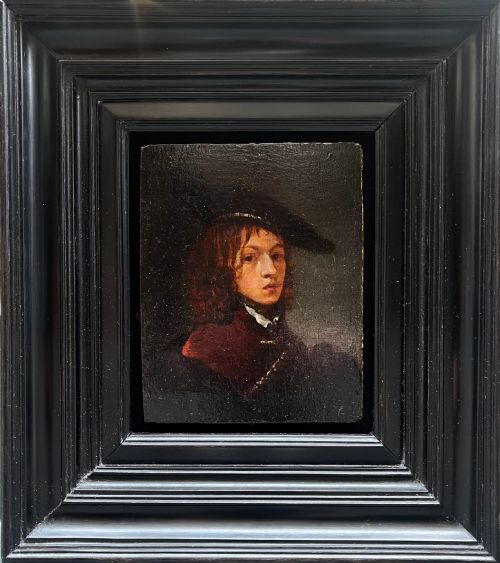
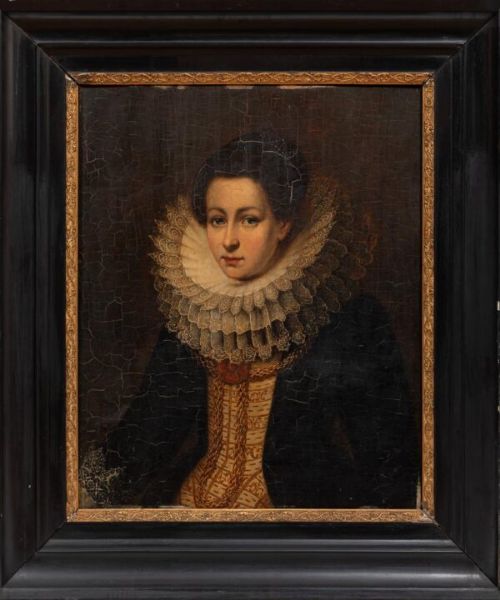
When you search for dutch school oil portraits, you are looking at likenesses of noblemen, military officers, and ordinary citizens produced across several centuries. The selections on this page range from 17th-century depictions of princes and gentlemen in ruff collars to later interpretations and copies.
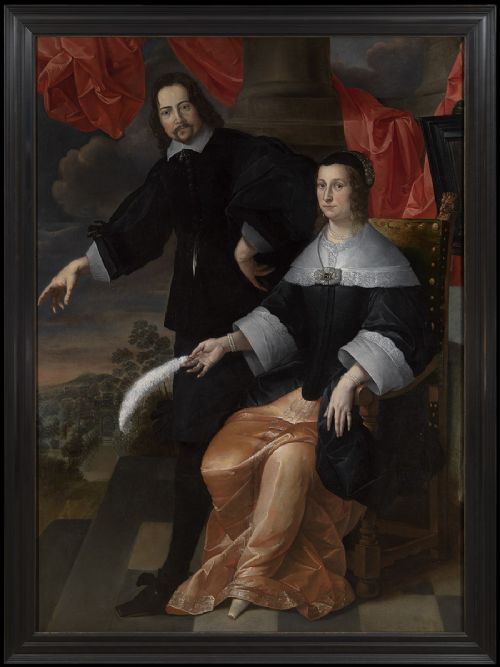
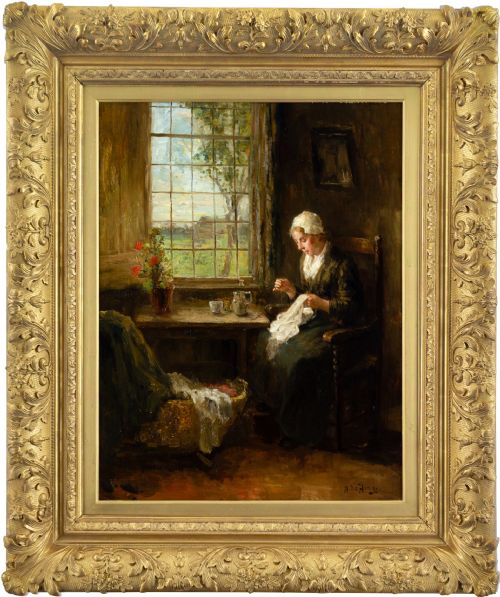
Most examples you will encounter combine the characteristic sombre palettes and realistic rendering associated with the Dutch Golden Age and Baroque traditions. These works frequently present half-length or double portrait formats showing subjects in formal dress or quiet domestic interiors.
How they were made
The works recorded here are executed primarily in oil paint on canvas or wood panel supports. Artists built up their compositions through layered glazes to achieve depth in textiles and skin tones.
Listings feature works spanning the 17th century, 18th century, and 19th century, alongside later 20th-century interpretations.
What varies in quality
The distinction between standard works and exceptional examples lies in the handling of light, shadow, and facial expression. Superior pieces demonstrate confident brushwork that brings texture to lace collars and velvet garments.
Condition and the stability of the support material also dictate overall merit, as works executed on wood panels or canvas age differently over centuries of exposure to varying environments.
Cornelis Van Der Voort·Bartholomeus van der Helst·Rembrandt·David Teniers The Younger·Quirijn Van Brekelenkamp·Jozef Israëls·Nicolaes Maes·Frans van der Mijn·Wybrand de Geest·Willem Wissing·Abraham Lambertsz van den Tempel
The Dutch School Oil Portraits Glossary
- Baroque
- A European artistic style of the 17th and 18th centuries characterised by dramatic use of light and shade. This movement produced high-contrast portraits with intense psychological depth.
- Giltwood
- Wood carved and covered with a thin layer of gold leaf or powder. This material is standard for framing traditional European oil paintings.
- Ruff collar
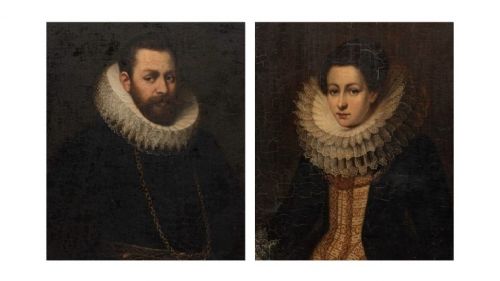
- A prominent pleated starched collar worn in fashion during the 16th and 17th centuries. Its intricate folds frequently appear in formal portraits of nobility.
- Oil on canvas
- Pigment mixed with drying oil applied to a stretched woven fabric surface. This combination provides durability and a flexible ground for layered painting techniques.
Dutch School Oil Portraits: Frequently Asked Questions
What is a dutch school oil portrait?
These works are paintings created by artists trained or working within the Dutch artistic tradition, focusing primarily on human likenesses.
They reflect the aesthetic values of periods ranging from the 17th century through later revivals.
How were these portraits used?
Historical portraits served to record the status, wealth, and lineage of prominent individuals and families in domestic interiors.
Pairs of portraits were frequently commissioned to commemorate marriages or cement alliances between households.
How do I live with an oil painting?
Oil paintings require stable indoor environments away from direct sunlight and extreme temperature fluctuations to protect the canvas and paint layers.
Regular light dusting with a soft, dry brush is sufficient for maintenance.
How do I tell periods apart?
Clothing styles, such as ruff collars or military uniforms, provide immediate clues to the decade or century in which the sitter lived.
Brushwork technique and the composition of the background also shift between the 17th-century originals and 19th or 20th-century interpretations.