



Dutch Porcelain Vase
These dutch porcelain vase examples bring hand-painted blue and white tin-glazed earthenware and faience straight into your home.
Dutch Porcelain Vase
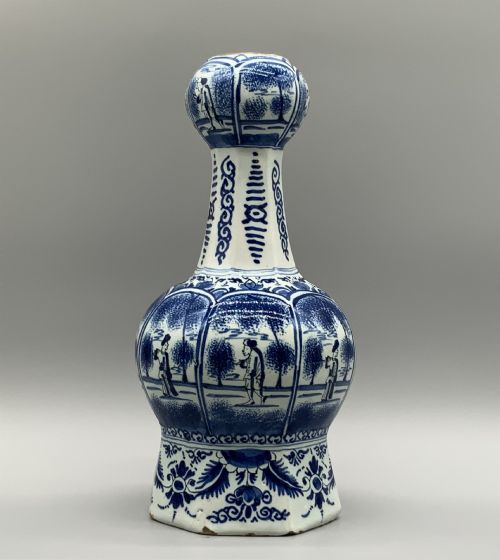
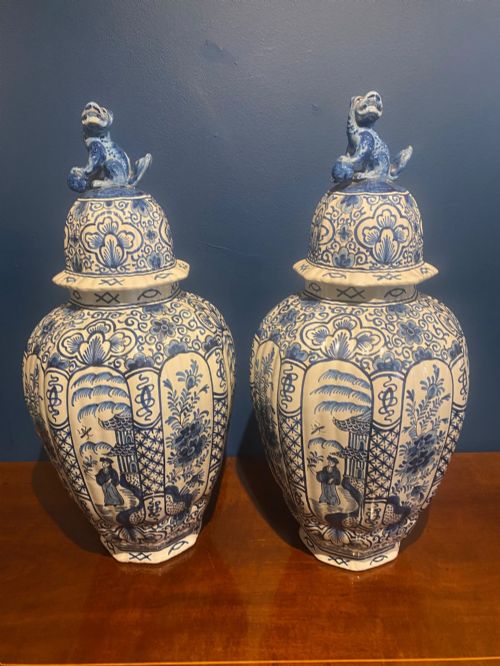
When you search for a dutch porcelain vase, you are looking at tin-glazed earthenware, faience, and occasional porcelain items originating from Holland across the seventeenth, eighteenth, and nineteenth centuries. The majority of pieces encountered here span traditional delftware forms, including baluster vases, jars with lids, and decorative vessels painted in blue and white.
Makers often drew inspiration from Chinese export styles, resulting in distinct Chinoiserie motifs featuring birds and flowers alongside native European subjects. You will also find later nineteenth-century departures such as Art Nouveau porcelain designs, demonstrating the shifting aesthetic priorities of Dutch potteries over the generations.
Materials and construction
The physical construction of these objects relies heavily on earthenware bodies covered in a white tin glaze, which served as a smooth canvas for hand-painted cobalt blue decoration. Artisans shaped clay into baluster profiles and jars, frequently incorporating lids as integral components of the finished vessel.
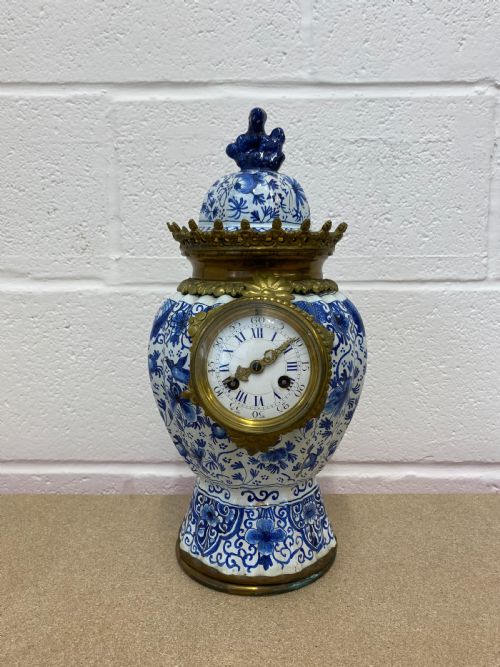
Some pieces incorporate mixed media elements, utilising brass or enamel details, while others show later conversions into table lamps and mantel clocks. Pigments were applied directly to the unfired or fired glaze before a final kiln process fixed the intricate bird and floral patterns in place.
Dutch Porcelain Vase Retail Price Guide 2026
Typical asking prices for dutch porcelain vase among the pieces listed under this phrase on Sellingantiques today, from the lower quarter to the upper quarter. They describe what is for sale here now, not the wider market.
Several vases have enjoyed second careers as clocks and lamps, proving that old Dutch ceramics refuse to retire.
Judging quality and execution
Quality in these ceramics rests on the crispness of the hand-painted brushwork and the depth of the cobalt blue pigment against the tin glaze. Early seventeenth-century examples with complex Chinoiserie scenes demand superior draughtsmanship compared to standard production pieces.
The structural integrity of the earthenware body and the survival of matching lids significantly influence the standing of any given vessel. Finer items display careful control during the glazing and firing stages, resulting in a balanced silhouette and well-defined decorative motifs.
Rozenburg
The Dutch Porcelain Vase Glossary
- Delftware
- Tin-glazed earthenware made in the Netherlands, particularly associated with the city of Delft and painted in blue and white.
- Faience
- European tin-glazed pottery, broadly synonymous with the delftware tradition represented across these Dutch pieces.
- Clobbered
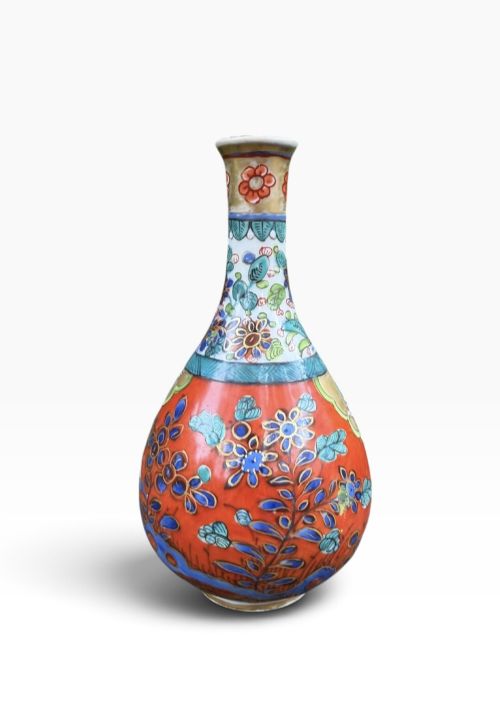
- Decoration added to older porcelain or pottery, typically involving overglaze colours applied on top of earlier blue and white designs.
- Baluster
- A vase form characterised by a bulbous lower portion tapering to a narrower neck, commonly seen in seventeenth and eighteenth-century examples.
Dutch Porcelain Vase: Frequently Asked Questions
What is a dutch porcelain vase?
These items are primarily tin-glazed earthenware, faience, and porcelain vessels produced in Holland from the seventeenth century onwards. They often feature hand-painted blue and white designs inspired by Chinese export porcelain.
Most examples take the form of baluster vases, jars with lids, or decorative table pieces created within the delftware tradition.
How were they used historically?
Historically, these vessels served as prominent decorative accents within wealthy European interiors, often displayed on mantelpieces or architectural ledges. Their vibrant blue and white schemes were meant to catch the eye and signal refined taste.
Some surviving pieces were later adapted into functional household objects, including table lamps and clocks, during subsequent centuries.
How do I care for my vase?
House these ceramics away from direct sunlight and areas subject to sudden temperature fluctuations to protect the earthenware body and tin glaze. Dust them gently with a dry, soft cloth rather than using liquid cleaners.
If a piece has been converted into a lamp or clock, consult a professional electrician regarding the care and maintenance of its mechanical components.
How do I distinguish seventeenth-century pieces?
Seventeenth-century items frequently exhibit specific Chinoiserie motifs, such as intricate birds and flowers, rendered in deep blue on tin-glazed earthenware. Their forms typically align with early baluster silhouettes and traditional jar shapes characteristic of the period.
Examining the weight of the clay body and the characteristics of the glaze helps separate these older examples from nineteenth-century revivals.