
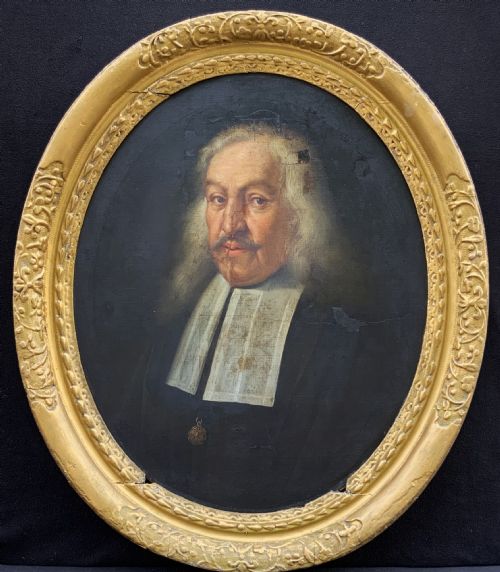


Dutch Master Canvas Art
Dutch master canvas art encompasses centuries of painted portraiture, rich floral still lifes, and domestic scenes executed in oils on canvas.
Dutch Master Canvas Art
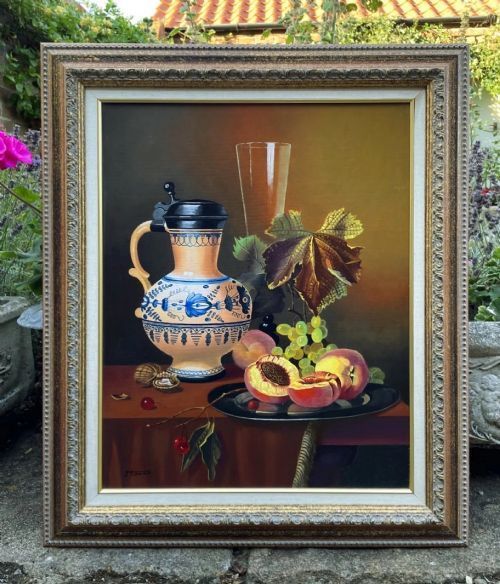
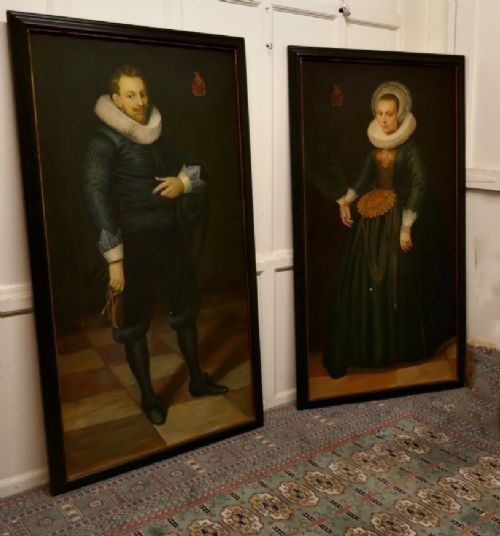
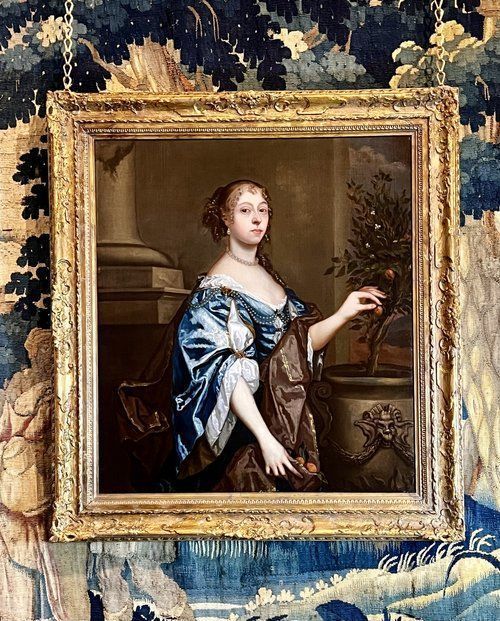
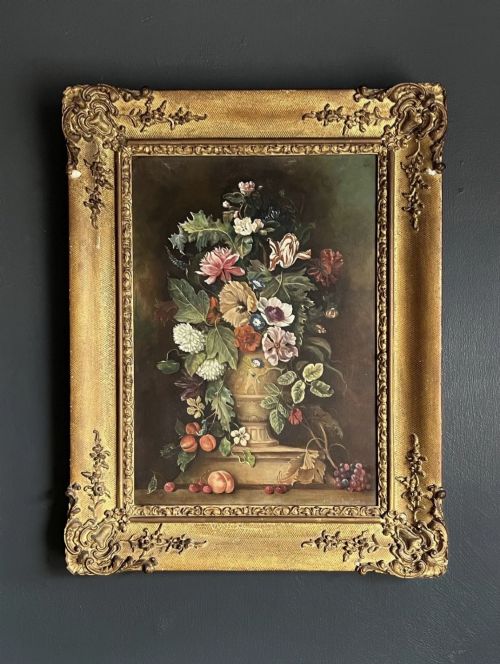
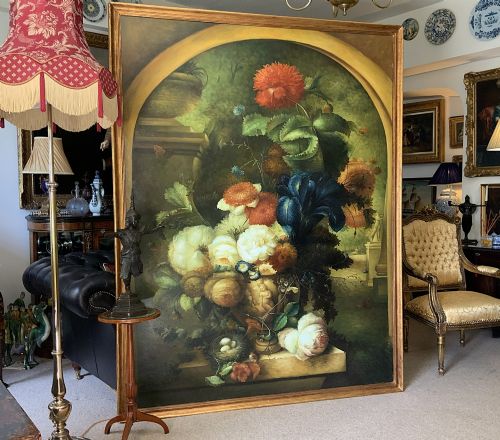
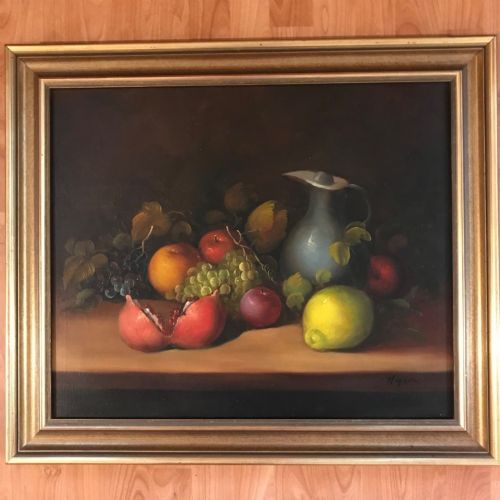
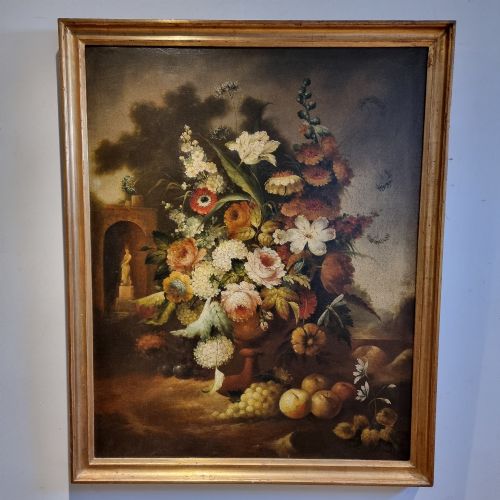
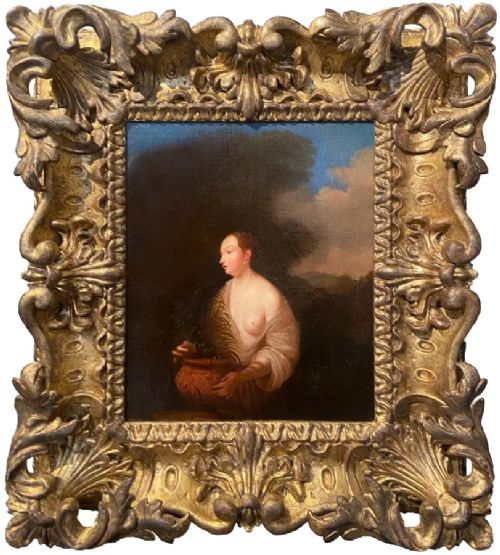
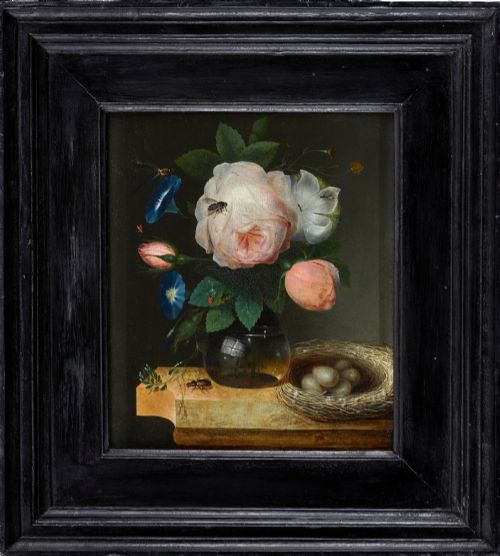
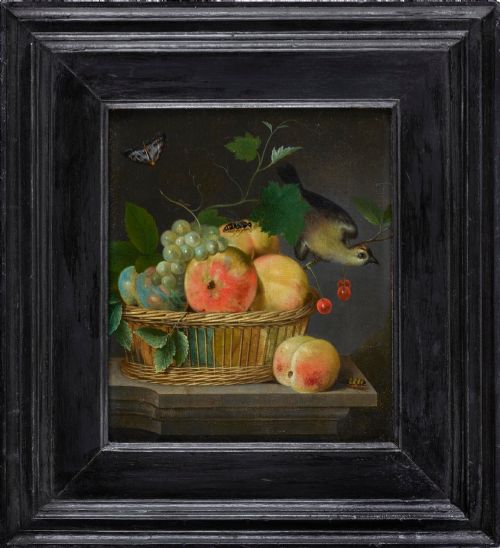
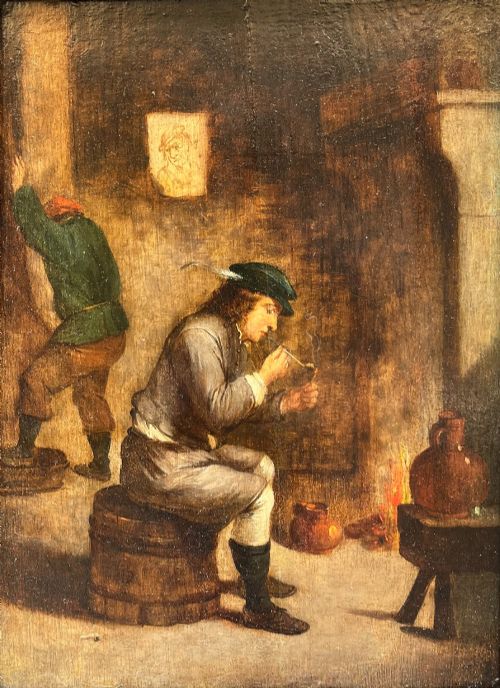
When searching for dutch master canvas art, buyers encounter a diverse selection of oil paintings spanning from original seventeenth-century works to later nineteenth-century revivals and twentieth-century interpretations. The selection frequently includes grand floral still lifes, detailed portraiture, and tavern scenes reflecting the rich traditions of the Dutch Golden Age.
The objects take the form of framed wall art, ranging from intimate portrait panels to monumental seven-foot canvas compositions. Original period pieces share space on this page with later homages produced in the nineteenth and twentieth centuries, capturing the distinct aesthetic of northern European schools.
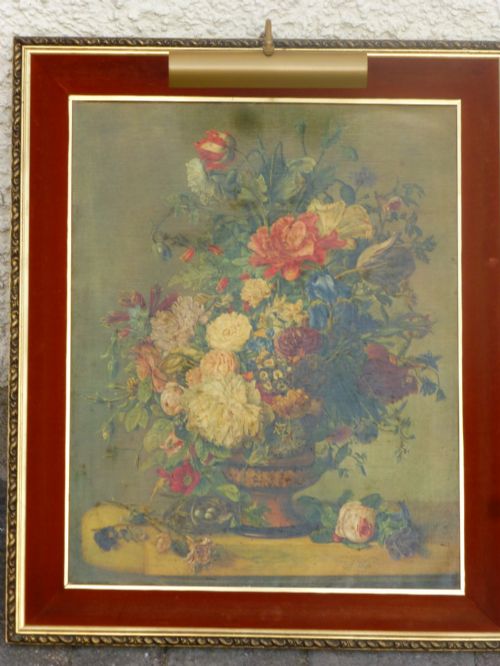
Buyers will find works attributed to or created in the manner of notable painters, alongside signed contemporary adaptations and nineteenth-century oleographs. This mix allows collectors to acquire either genuine seventeenth-century survivals or later decorative pieces that emulate the baroque drama and classical realism of the period.
How They Were Made
These works rely fundamentally on oil paint applied to woven canvas supports, occasionally stretched over wooden frames or boards. Artists built depth through layered glazing techniques, allowing rich pigments to capture the play of light on fabric, fruit, and flesh.
Many canvases are housed within period-appropriate surrounds, including ornate gilt gesso frames and carved gold leaf mouldings that complement the baroque and classical styles of the paintings within.
Materials recorded across the inventory include oil paint, canvas, wood, giltwood, and gold leaf.
What Varies In Quality
Quality in these works rests upon the precision of the brushwork and the structural integrity of the canvas and underlying ground layers. Finer examples display meticulous attention to anatomical detail, fabric textures, and botanical accuracy, particularly within still life floral arrangements and portrait lace ruffs.
The depth of the composition and the handling of chiaroscuro lighting distinguish superior paintings from more rudimentary student copies or later decorative reproductions. Furthermore, the originality and preservation of the framing contribute significantly to the overall character of the piece.
Pieter Borsseler·Gaspar Peeter Verbruggen·David Teniers·Nicolaes Maes·Frans Snyders
The Dutch Master Canvas Art Glossary
- Oil on Canvas
- A traditional painting medium where pigments suspended in drying oils are applied to a stretched woven fabric support. This combination allowed artists to achieve subtle tonal gradations and rich surface textures.
- Giltwood
- Wood carved and coated with a thin layer of gold leaf or metallic powder. This material was widely used for ornate picture frames during the baroque period to enhance the visual weight of the artwork.
- Dutch Golden Age
- A period in seventeenth-century history marked by immense artistic output in painting, trade, and science. Works from this era are celebrated for their naturalistic lighting and detailed domestic scenes.
- Still Life
- A painting genre focusing on inanimate subject matter, such as flowers, fruit, or dead game. These compositions often symbolised the transience of life through carefully arranged objects.
- Chiaroscuro
- An artistic technique employing strong contrasts between light and dark to give subjects a three-dimensional volume. It remains a defining characteristic of seventeenth-century northern European portraiture.
- Oleograph
- A mechanical colour lithograph reproduction designed to imitate an oil painting on canvas. These items appeared frequently in the nineteenth and twentieth centuries to bring classical art into domestic spaces.
Dutch Master Canvas Art: Frequently Asked Questions
Are all these paintings from the seventeenth century?
The listings include original seventeenth-century works alongside nineteenth-century revivals and twentieth-century interpretations created in the historical style.
Buyers can select pieces according to the precise period that matches their collection requirements.
What subjects are most common in this selection?
Portraits of nobility and everyday figures appear frequently alongside detailed floral arrangements and fruit still lifes.
Landscape scenes with rivers and mountainous woodlands also feature among the available canvas works.
How should I care for an oil painting on canvas?
These works require stable indoor humidity and protection from direct sunlight to preserve the oil pigments and canvas tension.
Dusting should be performed gently with a soft, dry brush without applying liquid cleaners to the painted surface.
What is the difference between an original and an after-artist work?
Original pieces were painted during the active lifetime of the artist or school, while after-artist works are later tributes or study copies.
Both categories utilise traditional oil and canvas materials to capture the distinct aesthetic of the Dutch masters.