



Dutch Golden Age Style Art
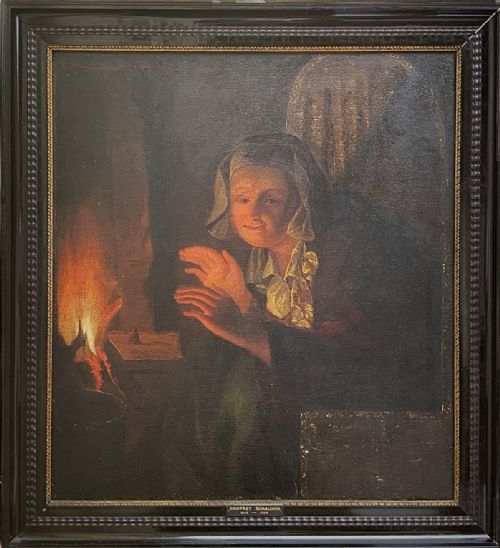
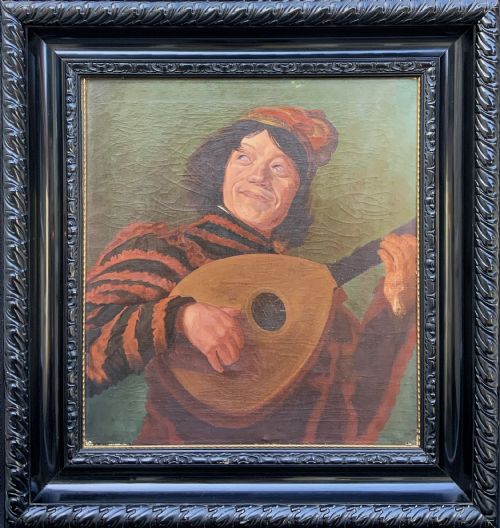
Dutch golden age style art captures the dramatic light and rich detail of seventeenth-century European painting, offering buyers a window into historic portraiture and genre scenes.
Dutch Golden Age Style Art
Most pieces date from the seventeenth century through to revivals in the nineteenth and twentieth centuries, often created after renowned painters like Rembrandt or Frans Hals. These works bring historic character into contemporary rooms through traditional subject matter and oil paint techniques.
How They Were Made
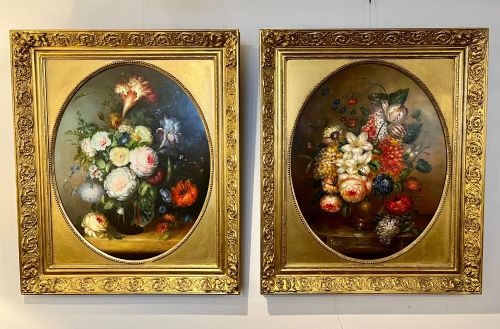
These works rely on oil paint applied to prepared canvas, wood panels, or copper plates, allowing artists to build deep shadows and luminous highlights. Framing often incorporates giltwood and gold leaf to complement the dark, atmospheric palettes typical of the period.
Techniques range from direct execution by period hands to studio copies and later revivals that emulate seventeenth-century methods of layering pigment.
Dutch Golden Age Style Art Retail Price Guide 2026
Typical asking prices for dutch golden age style art among the pieces listed under this phrase on Sellingantiques today, from the lower quarter to the upper quarter. They describe what is for sale here now, not the wider market.
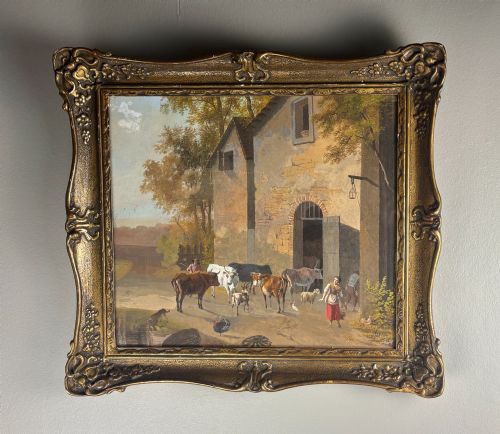
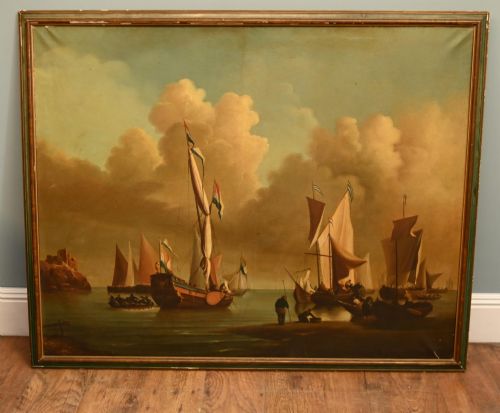
Listings feature oil paintings executed on canvas, wood panels, and copper plates across several centuries.
What Varies in Quality
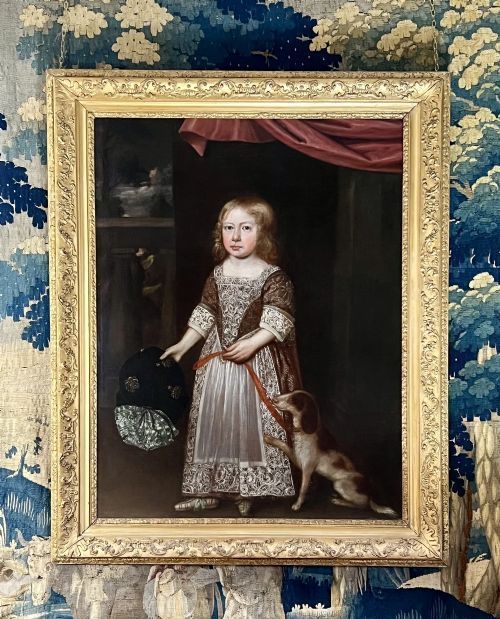
Quality rests in the handling of light and shadow, where superior pieces achieve a convincing depth in drapery and facial expression. Weaker examples show stiff brushwork and flat planes that fail to capture the atmospheric tension of original compositions.
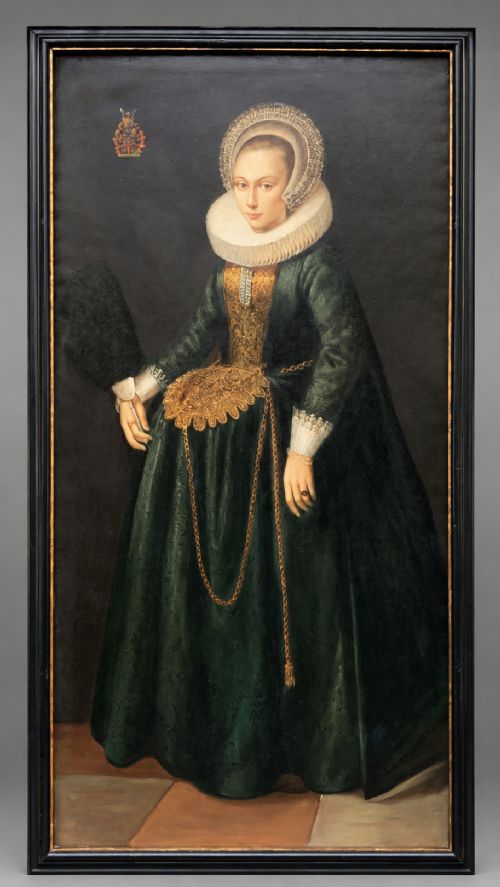
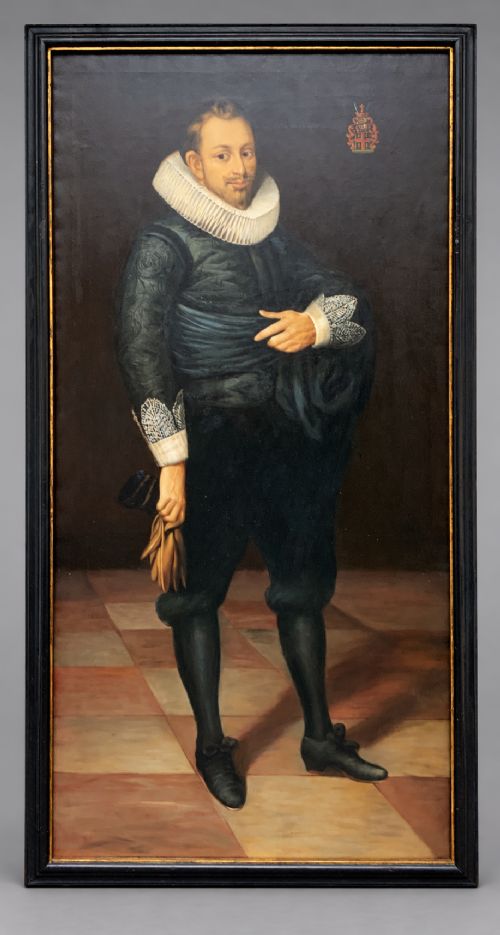
The precision of detail in elements such as lace ruffs or still life textures also separates workshop pieces of high merit from hurried decorative copies.
Cornelis Van Der Voort·Bartholomeus van der Helst·Johannes Lingelbach·David Teniers·Pieter Borseler·Frans Hals·Godfried Schalcken·Nicolaes Maes·Simon Pietersz Verelst·Rembrandt van Rijn·James de Rijk·Ludolf de Jongh·Pieter Claesz·Reinier de la Haye·Philips Wouwerman·Abraham Storck·Jan Steen·Adriaen Hanneman
The Dutch Golden Age Style Art Glossary
- Oil on Canvas
- A painting medium where pigments suspended in drying oils are applied to a stretched woven fabric support. This method allows for subtle blending and rich texture.
- Giltwood
- Wood that has been coated with gold leaf or a gold-coloured metallic finish. It is commonly found on traditional frames enclosing historical portraits.
- Genre Scene
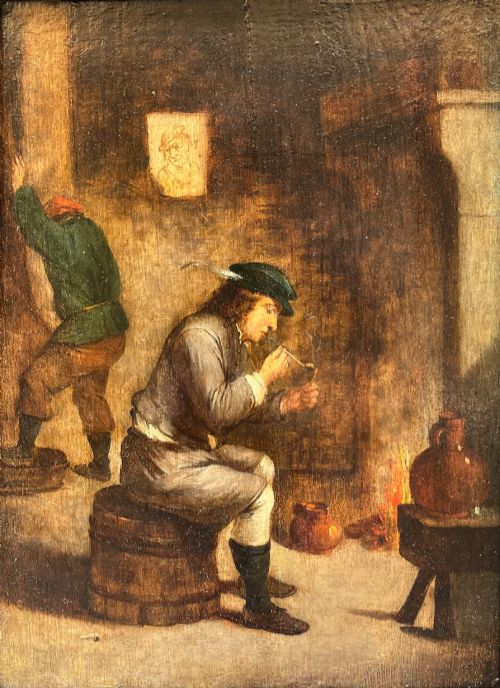
- An artwork depicting aspects of everyday life, such as tavern interiors or domestic kitchens. These subjects were particularly popular in seventeenth-century painting.
- Old Master
- A term for a European painter of skill who worked before about eighteen hundred. It also refers to paintings produced by such artists.
Dutch Golden Age Style Art: Frequently Asked Questions
What is dutch golden age style art?
It encompasses paintings created in the manner of seventeenth-century Dutch masters, focusing on dramatic lighting, portraiture, and domestic scenes.
Many pieces on offer are later revivals or copies produced in the nineteenth and twentieth centuries to honour these historic techniques.
How should I hang these paintings?
These works suit traditional or eclectic interiors where dark, rich colour palettes can anchor a room's design scheme.
Pair them with complementary giltwood frames to enhance the historic atmosphere and draw attention to the detailed brushwork.
How do I spot a later copy?
Examine the canvas preparation, stretcher bars, and the ageing of the oil paint layers to determine if a work is from the seventeenth century or a later revival.
Attributions often point toward followers or studio circles rather than primary hands when brushwork lacks original spontaneity.
What subjects are most common?
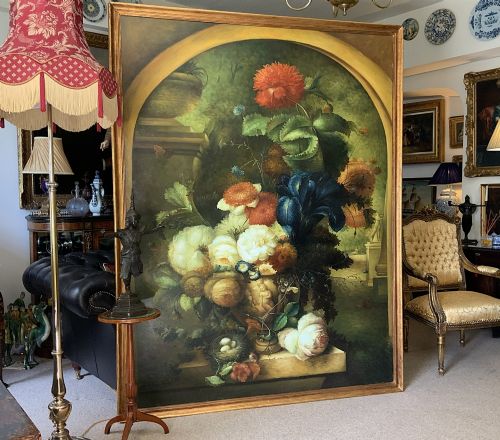
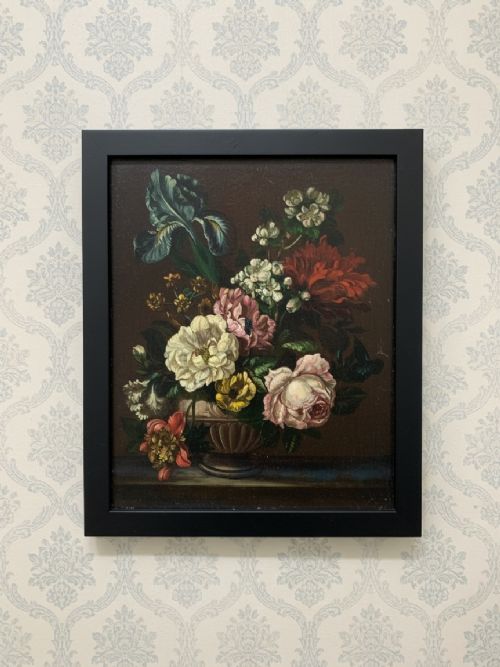
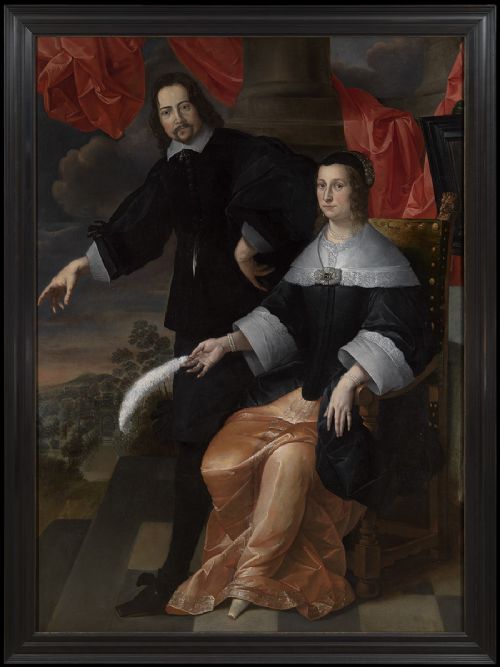
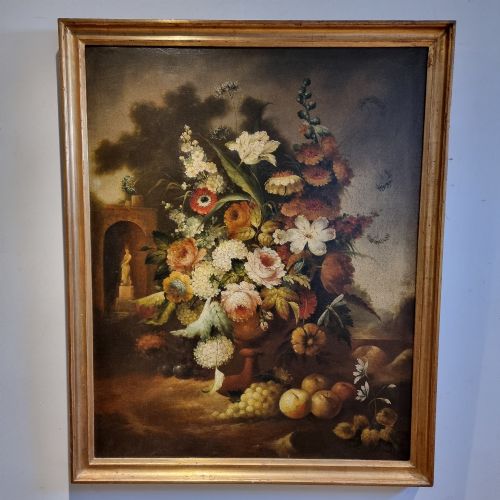
Portraits of noblemen and ladies featuring intricate ruff collars dominate the selection, alongside still life arrangements of flowers and birds.
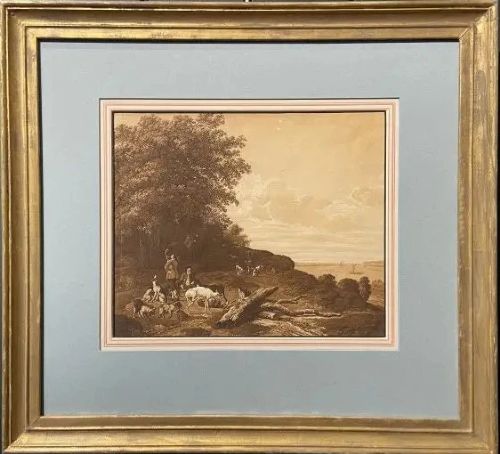
Tavern interiors and pastoral genre scenes also appear frequently across the different centuries represented.