


Dutch Floral Oil Painting
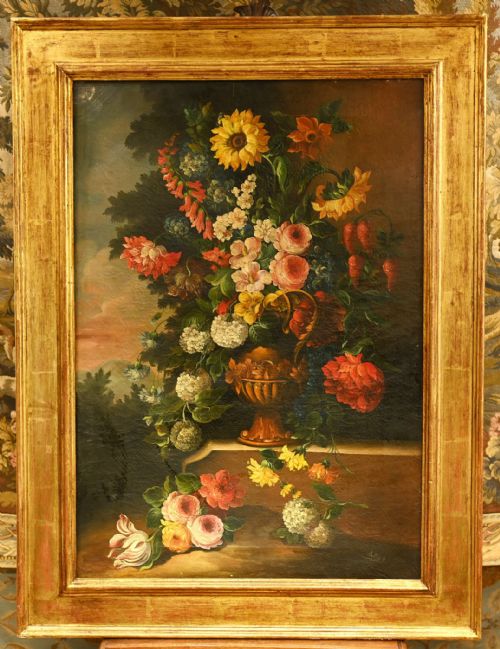
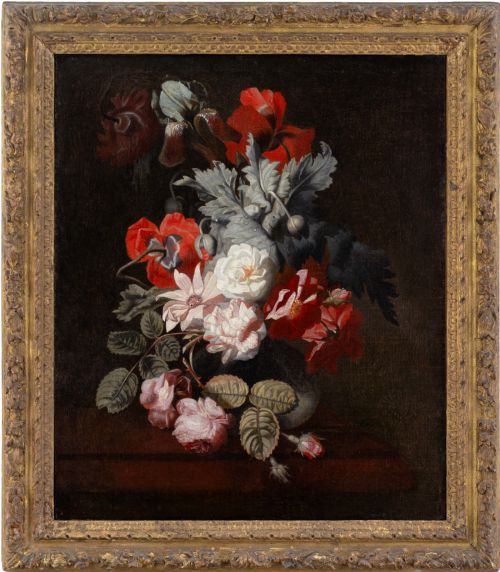
Dutch floral oil painting works bring centuries of botanical richness indoors, offering dark, layered arrangements that ground a room with traditional depth.
Dutch Floral Oil Painting
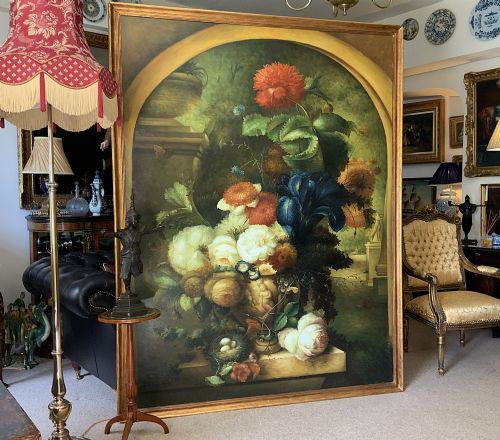
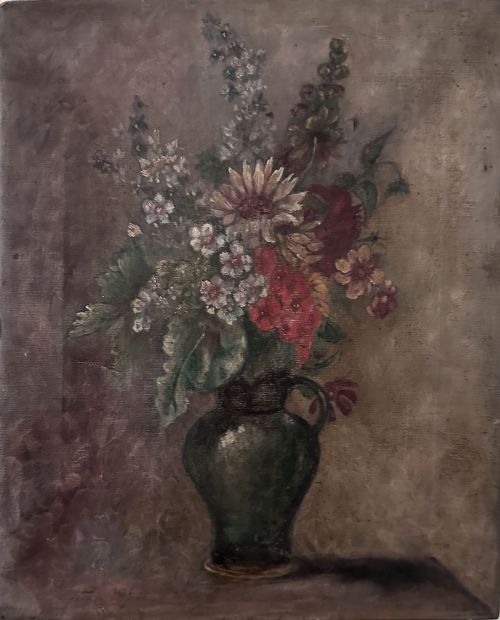
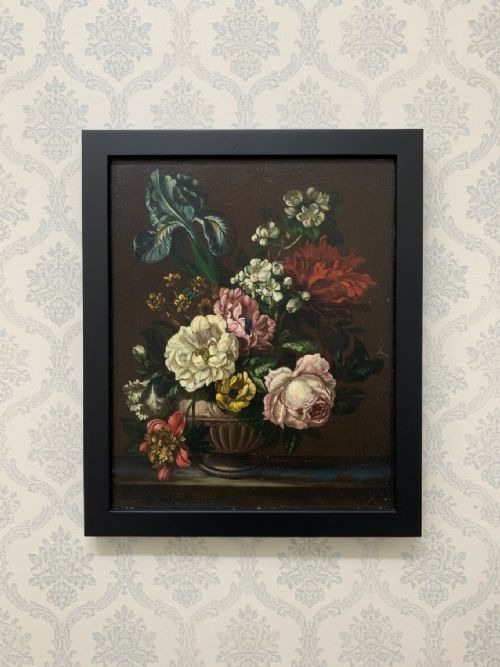
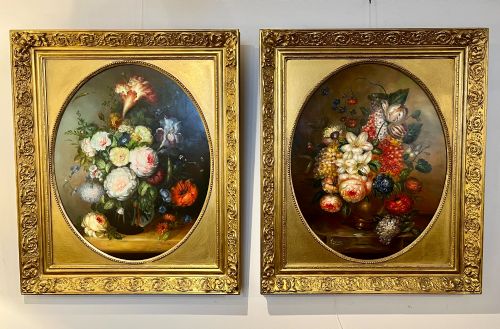
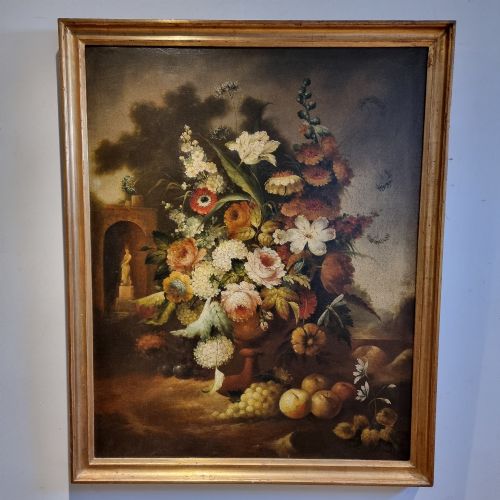
A dutch floral oil painting presents carefully arranged blooms, often paired with fruit or foliage, rendered in the rich manner associated with historical northern European traditions. Buyers searching this phrase encounter works ranging from seventeenth-century originals to later revivals executed across the nineteenth and twentieth centuries.
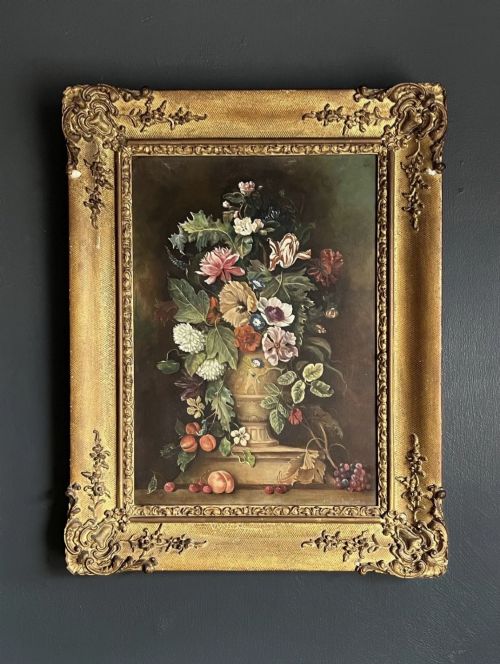
The compositions vary from intimate panel studies to monumental canvases created in the Dutch Golden Age style, Flemish Baroque, and eighteenth-century revival idioms. Many pieces feature classic arrangements of tulips, roses, and spring flowers housed within period-appropriate frames of gilded wood or gesso.
While some offerings originate from specific historical periods such as the seventeenth and eighteenth centuries, others reflect later interpretations by artists working in the early twentieth century. These later works maintain the dark backgrounds and detailed botanical focus characteristic of the traditional school.
Quality distinctions
The handling of light and shadow distinguishes finer examples from simpler decorative works, with superior pieces showing subtle gradations across individual petals and glassware. Mastery of depth in the arrangement separates accomplished seventeenth-century and revival hands from routine studio output.
The execution of the support and frame also marks the tier of a piece, as original oak panels or period gilt gesso frames indicate higher craftsmanship than later standard replacements. The fidelity to historical Flemish and Dutch techniques dictates the overall stature of the painting.
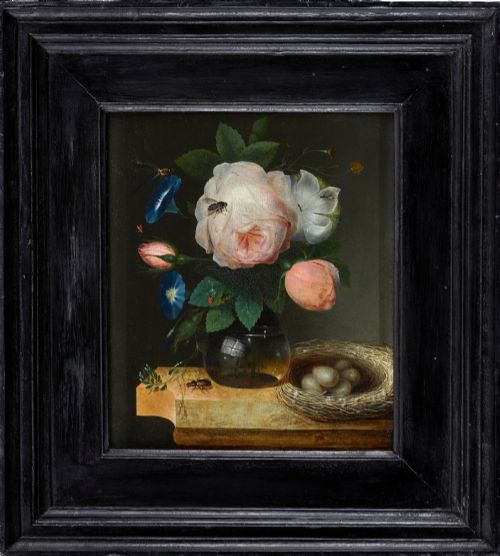
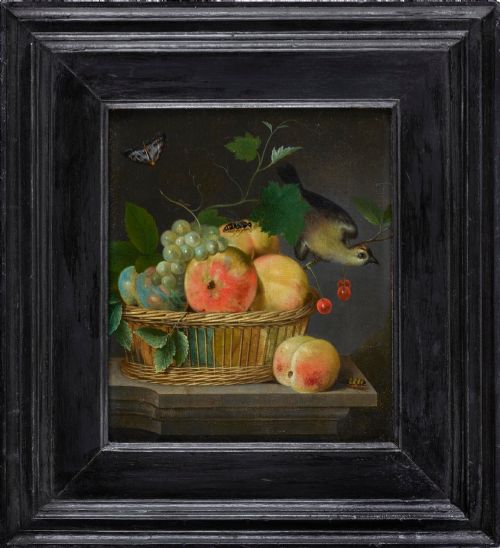
Several floral still lifes generously include a wandering pigeon or a stray insect sharing the canvas with the tulips.
Gaspar Peeter Verbruggen·Simon Pietersz Verelst·Terence Loudon·Julien Stappers
The Dutch Floral Oil Painting Glossary
- Dutch Golden Age
- A period in seventeenth-century art history noted for realism and detailed observation. It established the visual vocabulary for floral still life painting.
- Flemish Baroque
- A style characterised by dynamic composition, rich colour, and dramatic lighting. This aesthetic heavily influenced subsequent floral and fruit arrangements.
- Oil on Panel
- A technique where paint is applied directly to a wooden or metal board rather than woven fabric. Oak panels provide a rigid, stable ground for early works.
- Gesso
- A plaster-like mixture applied to wooden frames before gilding. It creates a smooth base for the application of gold leaf.
- Trompe l'oeil
- An artistic technique that uses realistic imagery to create the optical illusion that the depicted objects exist in three dimensions.
Dutch Floral Oil Painting: Frequently Asked Questions
What is a Dutch floral oil painting?
A Dutch floral oil painting is a traditional artwork depicting detailed arrangements of flowers, often set against a dark background in the style of northern European masters. These pieces range from seventeenth-century works to later twentieth-century revivals.
They capture botanical specimens with precision, frequently incorporating elements like glass vases, insects, or fruit alongside the blooms.
How do I date an antique floral painting?
Dating involves examining the support material, such as oak panels used in earlier centuries versus twentieth-century canvas, alongside the style of the frame and pigment wear.
Signatures, attribution notes, and the specific revival style - such as eighteenth-century Dutch or Flemish Baroque - also provide clues to the period of creation.
Where should I hang a still life painting?
These works suit dining rooms, studies, or hallways where their dark backgrounds and rich floral details can be appreciated in controlled lighting.
Pairing the painting with traditional furniture or placing it above a mantel allows the gilded gesso frame to complement the room's decor.
Are these paintings on canvas or wood?
The evidence shows supports including traditional canvas, wooden panels, oak panels, and metal panels depending on the period and artist.
Earlier works frequently utilise wooden panels, while later nineteenth and twentieth-century interpretations commonly appear on canvas or board.